Some of the effects of brain damage after a traumatic brain injury (TBI) could be reduced through following a ketogenic diet, a new study has revealed.
New research indicates that the diet improves spatial memory and visual memory, lowers brain inflammation indices, causes less neuronal death and slows down the rate of cellular ageing.
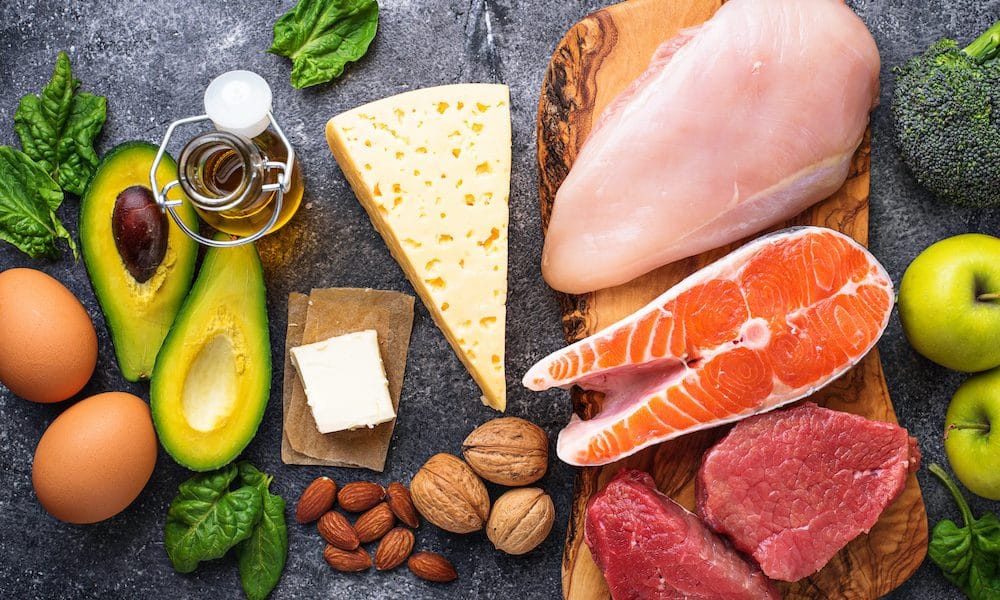
A ketogenic diet involves changes in the consumption of common foods and is based on high fat percentages and aims to mimic a state of fasting. The intake of foods that contain carbohydrates – like bread, sugar, grains and fruit – is restricted, replaced by high fat alternatives including meat, fish, eggs, avocado and butter.
“The findings were unequivocal and showed that the ketogenic diet improves spatial memory and visual memory, lowers indices of inflammation in the brain and in addition, also slows the rate of cellular ageing,” says Professor Chaim Pick, director of the Sylvan Adams Sports Institute and a member of the Sagol School of Neuroscience at Tel Aviv University, who led the study.
“These results may open the door to further research that will inspire hope for those suffering from traumatic brain injuries, and their family members.”

It is estimated around 10 million people worldwide are living with TBI, the impact of which can lead to physical, cognitive, behavioural and emotional damage.
The Tel Aviv research team said they hope the potential impact of a ketogenic diet revealed through their study will help to bring new options to those living with brain injury.
The international study was conducted on animals and was found that a ketogenic diet greatly improved brain function. The researchers used methods including behavioural-cognitive tests, biochemical tests and immunohistochemical cell staining to test the
The mechanism by which a ketogenic diet succeeds in benefiting the results of brain damage has not yet been fully revealed, but studies show that it has an antioxidant and metabolic effect on mitochondria, lowers free radical production and raises ATP (a major molecule in cellular biochemical channels).
A ketogenic diet has been used for many years among children with epilepsy, although more recently has become popularised as a means of weight loss. The research team stressed that any such diet among TBI survivors should be pursued with support from a healthcare professional.