



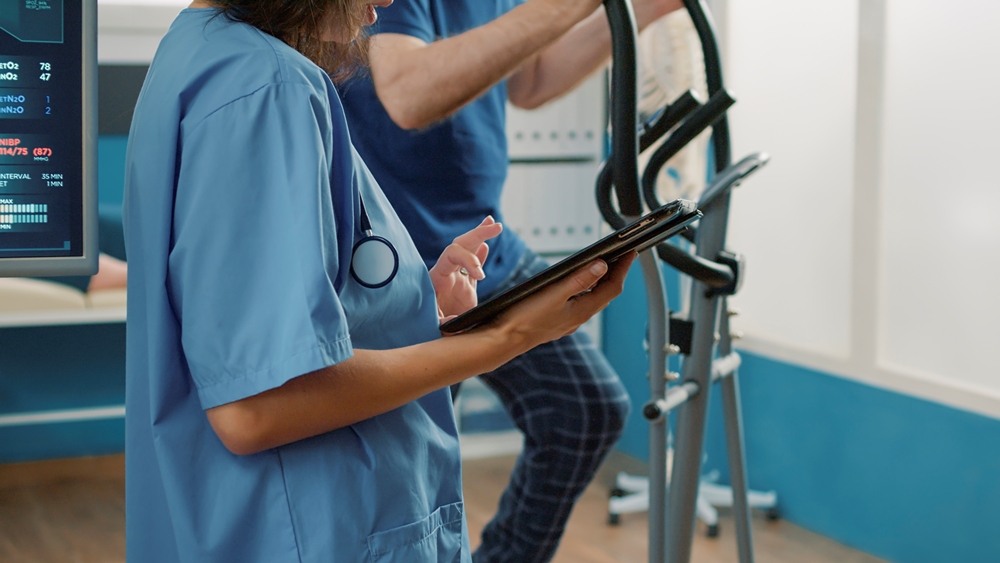
In rehabilitation settings, assessing mobility accurately is essential for developing personalised treatment plans and selecting appropriate equipment. For people with neurological conditions or physical impairments, these assessments ensure that mobility recommendations are safe, functional, and supportive of long-term independence. The process involves collaboration between healthcare professionals and the individual, focusing on achieving the best possible outcomes in everyday life.
Why Powered Mobility Matters in Recovery Planning
Powered mobility devices play a central role in supporting patients who cannot rely on manual aids alone. Using a powered wheelchair can increase independence, allowing individuals to participate in daily activities with greater ease. Selection is based on a detailed review of physical abilities, cognitive skills, home environment, and personal goals. This ensures that the equipment meets clinical requirements and fits the user’s lifestyle and surroundings. Early access to suitable devices during rehabilitation can also help build confidence and encourage engagement in therapy.
Applying Structured Assessment Methods That Deliver Results
Structured assessment tools provide a consistent way to evaluate mobility needs. Standardised tests, combined with clinical observation, help rehabilitation teams form a clear picture of a patient’s abilities. These evaluations often consider balance, posture, vision, reaction time, and decision-making skills. Recording this information in detail supports funding applications and ensures that recommended equipment is both necessary and suitable. A team approach that includes physiotherapists, occupational therapists, and rehabilitation engineers ensures that all aspects of the patient’s condition are considered when specifying features or adaptations.
Tailoring Mobility Devices to Specific Neurological Needs
Different neurological conditions require different mobility solutions. Stroke survivors may benefit from chairs with adjustable controls and positioning to compensate for weakness or changes in spatial awareness. Those with spinal cord injuries may need advanced postural support and custom seating to maintain comfort and stability. Progressive conditions such as multiple sclerosis require forward planning, with modular designs that can be adjusted as needs change. Anticipating future requirements helps ensure that the selected mobility aid remains effective over time.
Leveraging the Latest Technology for User Independence
Recent innovations in powered mobility technology have expanded the options available to users. Navigation systems with obstacle detection and route guidance support safe use in varied environments, particularly for those with cognitive challenges. Pressure management seating has advanced, reducing the risk of skin issues for people with reduced sensation. Customisable seating systems can be tailored to match a user’s postural needs, providing comfort and stability during prolonged use. These features can be integrated without compromising the functional aspects needed for rehabilitation.
Tracking the Impact of Mobility Equipment in Real Life
Measuring outcomes ensures that powered mobility devices are delivering the intended benefits. Rehabilitation teams use validated tools to assess independence, participation, and comfort improvements. These assessments help track progress over time, identify any adjustments needed, and support ongoing funding or maintenance requests. Quality of life measures can also highlight how mobility equipment is affecting a user’s confidence and social engagement, which are important indicators of long-term success.
Finding the Right Funding Route for Each Patient
Securing the right powered mobility solution often involves navigating complex funding systems. Pathways may include NHS wheelchair services, charitable funding, or personal health budgets. Each option has specific eligibility requirements and documentation standards. Rehabilitation teams must be familiar with these criteria to help patients access the support available. Clear, detailed evidence of need can help streamline the process and prevent delays in equipment provision.
Timing Assessments for the Best Rehabilitation Outcomes
Choosing the right time for a mobility assessment can influence outcomes. Assessing too early may not capture the individual’s full recovery potential, while waiting too long could delay access to equipment that would aid rehabilitation. Ideally, assessments take place when recovery has stabilised or when mobility limitations are clearly affecting progress. This timing allows the mobility device to be incorporated into therapy activities and daily routines.
Making Equipment Trials a Valuable Part of the Process
Before making a final recommendation, trialling different devices helps identify the best match for the user. Trials should take place in environments similar to where the equipment will be used, ensuring it can handle the specific challenges of the person’s home and community. Documenting performance during these trials provides useful information for both clinicians and the user. Any necessary adjustments can then be made before the device is issued.
Keeping Equipment Relevant Through Regular Reviews
Regular follow-up assessments help confirm that the mobility device continues to meet the user’s needs. Changes in health, living arrangements, or activity levels may require modifications to the equipment. Ongoing support from rehabilitation teams ensures that any issues are addressed promptly, preventing equipment from becoming unsuitable or underused.
Start Improving Mobility Outcomes Today
Accurate mobility assessment, combined with the right powered mobility solution, can transform rehabilitation outcomes. By working closely with a skilled rehabilitation team, trialling suitable devices, and ensuring ongoing support, you can help patients maintain independence and improve quality of life. Now is the time to evaluate your current approach and explore opportunities to enhance mobility provision in your setting.


