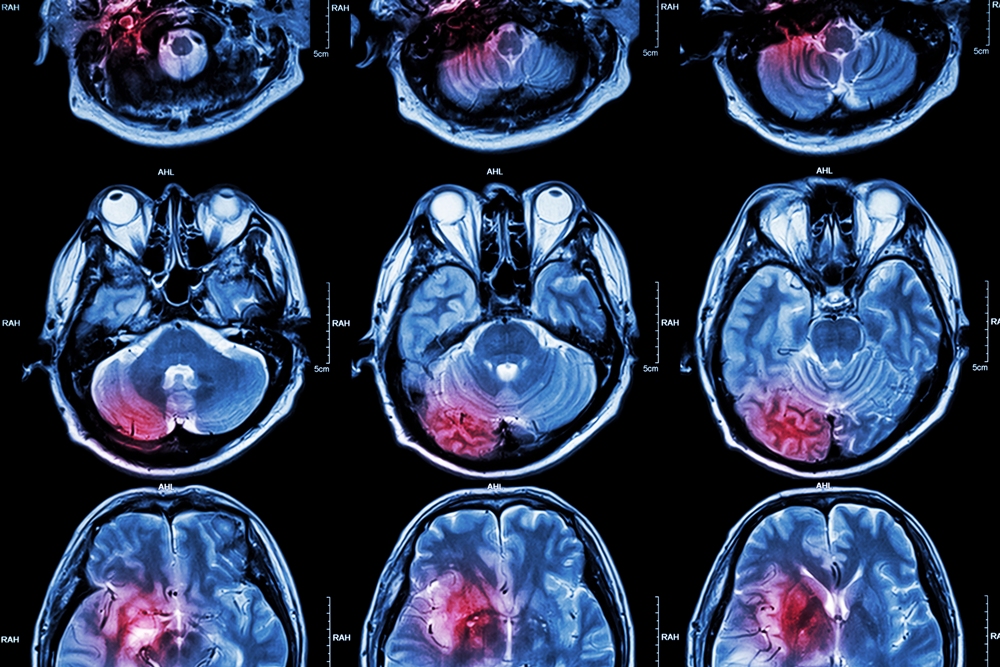
Only around half of the 11,000 people in Scotland who had a stroke last year received the recommended bundle of treatments, new figures show.
Just 52.9 per cent of patients received this care bundle in 2024, well below the Scottish government’s 80 per cent target.
The bundle includes measures such as giving aspirin promptly and transferring patients quickly to specialist wards, both seen as vital to improve survival and recovery.
Allan Cowie, chief operating officer at the charity Chest Heart & Stroke Scotland, said: “This government has failed stroke survivors and is failing our NHS colleagues who are doing the absolute best they can with the inadequate resources they’re currently being given.
“While we recognise the financial constraints facing the government, the continued underinvestment in stroke care is resulting in significantly higher long-term costs – both through prolonged hospital stays and the extensive support required for individuals living with stroke-related disabilities.”
Public Health Scotland (PHS) data shows 11,341 people had a final diagnosis of stroke in 2024, compared with 11,137 the year before.
The target has now been missed for the seventh year in a row. While performance improved slightly from 50.4 per cent in 2023, it remains well below target.
Standards vary widely, with NHS Borders achieving 33.3 per cent and NHS Fife 66.9 per cent last year.
The PHS report says admission to specialist stroke units “remains very challenging”.
While pressure on accident and emergency services plays a part, it also suggests stroke “is, perhaps, not given the same priority as other specialties within our hospitals”.
Despite the challenges with stroke treatment in the NHS, mortality rates have fallen by 12.7 per cent over the past decade, from 48.3 per 100,000 in 2014 to 42.1 in 2023.
The percentage of people surviving 30 days or more after their first emergency hospital admission has stayed between 84 and 86 per cent over the past 10 years.
Stroke rates are rising faster among people in the most deprived areas of Scotland than in wealthier areas.
Public health minister Jenni Minto pointed to improvements in the PHS data, including 212 patients receiving a thrombectomy – a procedure to remove a blood clot from a blood vessel – last year, up from 153 in 2023.
She said: “We’re focused on ensuring people who have had a stroke receive the best possible care as quickly as possible to enable them to live longer, healthier and more independent lives.
“We will continue to work with health boards to drive up standards of local care. We know there is more to do but it is pleasing to see a rise in the number of patients receiving thrombectomy treatment.
“We will continue work towards increasing access to these procedures. We have invested more than £51m and are grateful to teams across Scotland for helping to expand the thrombectomy service.”
The Scottish government said it is investing £52m in stroke care and is working with health boards to drive up standards of local treatment.