



Music therapy has once again proven itself effective in helping to support people with cognitive issues after brain injury, with song writing proving a powerful tool.
Sarah Morgan, a qualified music therapist at Chroma, uses song writing as a means to help those living with a brain injury, overcome cognitive issues such as trouble remembering, planning tasks, learning new information, sustaining attention, or dealing with emotions.
Loss of identity is a common emotion following a traumatic or acquired brain injury. Song writing lends itself to emotional expression when the victim has a decline in speech and language skills or has trouble discussing difficult memories.
 For brain injury survivors, the process of song writing enables them to explore, question, and connect with their new sense of self and challenge the perception of how they see themselves versus how the world sees them.
A loss of identity following a brain injury ultimately negatively affects wellbeing. The transition from loss to acceptance takes time. Song writing offers a creative, identity-based exploration, which effectively helps to reveal issues in order to explore and make sense of them.
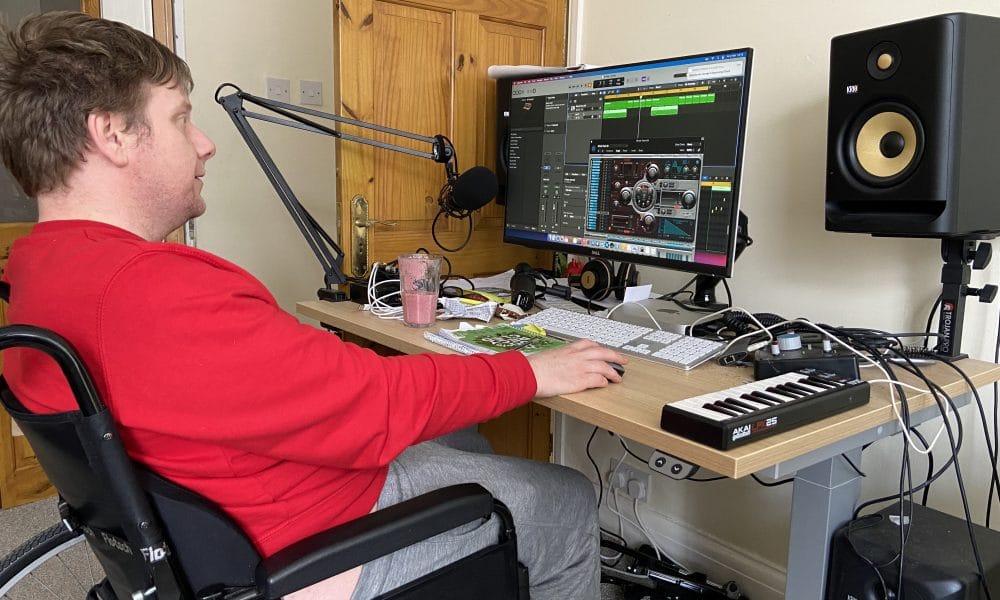
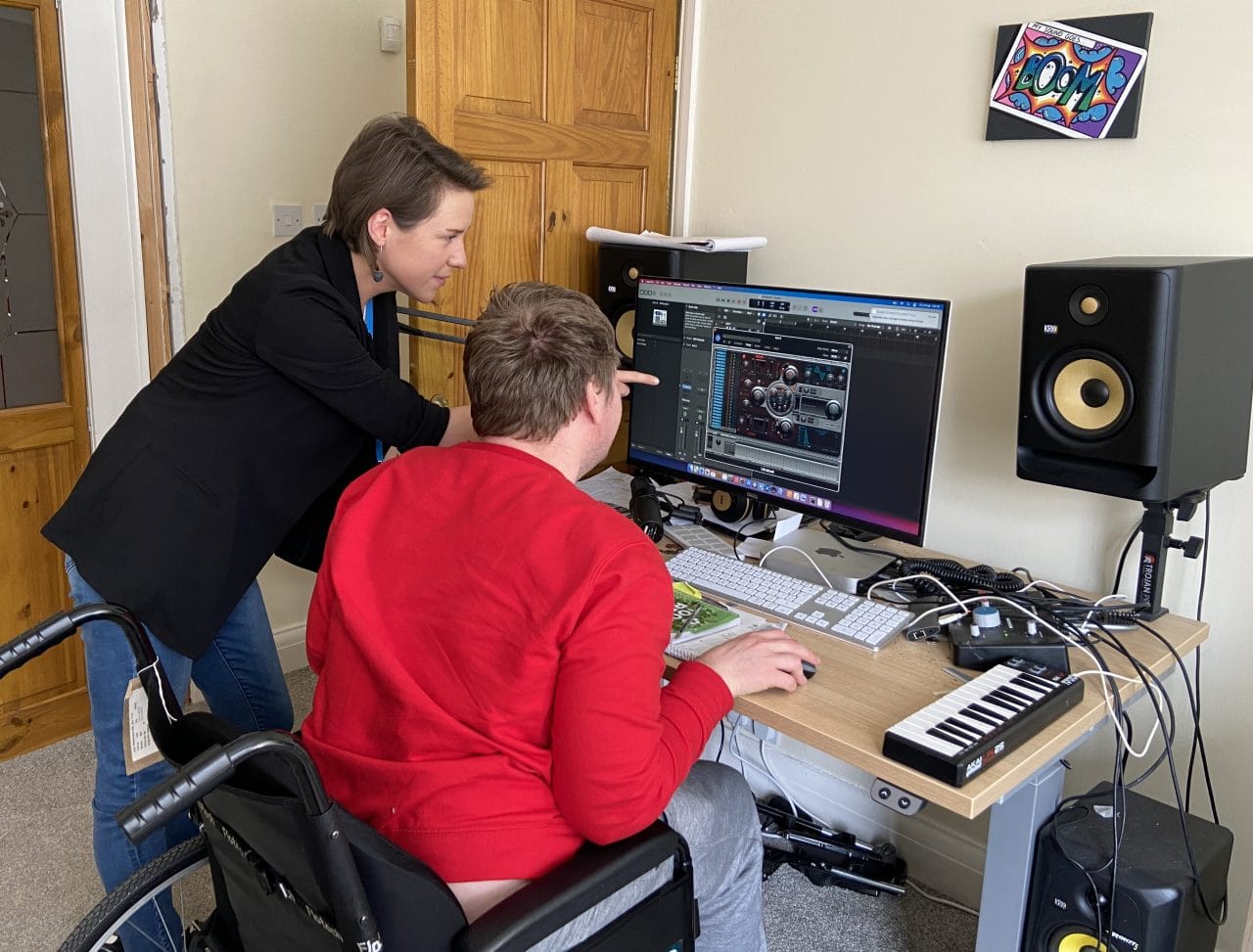
Sarah is currently supporting a young rapper who sustained a brain injury due to a road traffic accident (RTA), through song writing, improvisation and the use of music recording software. Her aim, and his own personal goal, is to help him begin to identify as himself once again.
Cognitively, song writing helps develop attention, concentration and task-planning and prioritisation skills. It also utilises working memory by allowing the client to repeat and manipulate phrases.
Engaging in making music focuses attention on a positive creative expression, and stimulates and induces the release of brain chemicals such as dopamine and serotonin.
Music plays an important role in providing a creative and emotional outlet and provides the client a positive focus. Song writing provides the client with a vessel to process trauma – by writing about the traumatic event or feelings surrounding it.
In this particular case, creating new music enabled the client to re-connect with an integral part of himself – the rapper, which was a significant goal of his rehabilitation.


