


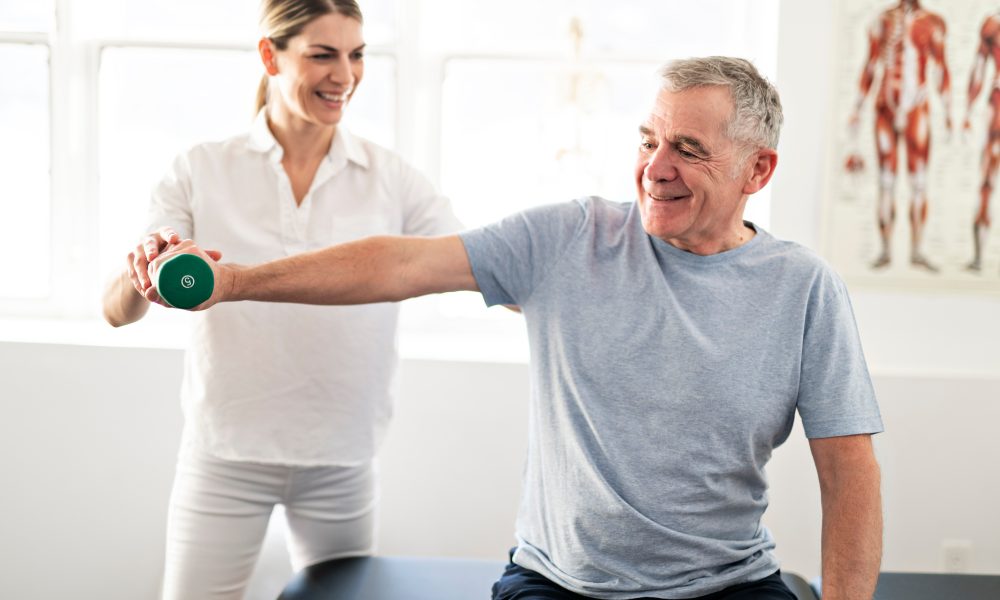
Neuro rehabilitation is a crucial component in the recovery journey of patients who have suffered from brain injuries. These injuries can often be a result of accidents, illnesses, or, in some cases, medical negligence in Wales, England or Scotland.
The repercussions can be severe, leading to life-altering changes that require comprehensive rehabilitation support. Understanding the facets of neuro rehabilitation can empower patients and their families, aiding them in making informed decisions about care and recovery.
In this article, we’ll explore some of the innovations available for brain injury patients to recover.
Cutting-Edge Technologies in Neuro Rehabilitation
Advancements in technology have revolutionised the field of neuro rehabilitation, offering new hope to patients. Today, innovative tools and techniques have the potential to significantly enhance the recovery process. These include:
1. Robotics and Assistive Devices
Robotics plays a pivotal role in modern rehabilitation practices. Devices such as robotic exoskeletons can assist with movement and relearning motor skills, offering patients the ability to regain functions that may have been lost due to brain injuries. These technologies not only support physical recovery but also provide much-needed psychological encouragement, as patients can see tangible progress in their capabilities.
2. Virtual Reality (VR) Therapy
VR therapy is another exciting development in neuro rehab. This immersive technology allows patients to engage in simulated environments where they can practice motor skills and cognitive functions in a controlled setting.
Research suggests that VR can enhance motivation and improve outcomes by offering engaging and varied rehabilitation exercises. For more on this, see recent studies on the efficacy of VR therapy.
The Role of Multidisciplinary Teams
Effective neuro rehabilitation requires a collaborative approach. Multidisciplinary teams, which may include neurologists, physiotherapists, occupational therapists, and psychologists, work together to create personalised rehabilitation plans.
This team-based approach ensures that all aspects of a patient’s recovery are addressed, from physical health to mental well-being. Each professional contributes their expertise, helping to create a comprehensive strategy tailored to the patient’s specific needs.
For further reading on the impact of team collaboration in rehabilitation, you can explore insights into multidisciplinary approaches.
The dedication and concerted effort of these teams can make a significant difference in a patient’s recovery journey, offering a holistic path to regaining independence and quality of life.
Innovative Therapies and Techniques
Beyond technology, innovative therapies and techniques play a significant role in enhancing neuro rehabilitation. Techniques such as constraint-induced movement therapy, cognitive rehabilitation therapy, and neuroplasticity-based exercises are transforming patient outcomes.
Constraint-Induced Movement Therapy (CIMT)
CIMT is a specialised approach designed to improve motor function in patients with limb impairments. By restricting the movement of the unaffected limb, patients are encouraged to use the affected limb, which can enhance strength and coordination over time. This technique has shown promising results in aiding recovery, particularly in post-stroke rehabilitation.
Cognitive Rehabilitation Therapy (CRT)
CRT focuses on improving cognitive functions such as memory, attention, and problem-solving. Tailored exercises and activities are designed to stimulate the brain, aiding patients in regaining cognitive abilities that may have been diminished due to brain injury.
CRT is critical for patients whose injuries have impacted their cognitive processes, helping them to rebuild essential skills necessary for daily life. Studies have shown the positive effects of CRT in enhancing cognitive abilities and improving the overall quality of life for brain injury patients.
Neuroplasticity and Rehabilitation
Neuroplasticity is the brain’s ability to reorganise itself by forming new neural connections. This inherent adaptability is a cornerstone of effective rehabilitation, providing the foundation for recovery after brain injury. Therapies that leverage neuroplasticity encourage the brain to compensate for damaged areas by reinforcing new pathways, thereby restoring lost functions.
Techniques that stimulate neuroplasticity include repetitive task practice, sensory stimulation, and motor imagery training. These methods focus on engaging the brain through consistent, targeted activities, promoting reorganisation and recovery.
A Path to Recovery
Neuro rehabilitation is an evolving field, with innovations continually enhancing the possibilities for recovery and improved quality of life for brain injury patients. By integrating cutting-edge technologies, multidisciplinary approaches, and innovative therapies, patients have better opportunities to reclaim their independence and thrive after the challenges posed by medical negligence.
As you consider the future or ongoing rehabilitation journey, it’s essential to stay informed about the latest advancements and options available. Engaging with knowledgeable professionals and exploring comprehensive rehabilitation plans can make a significant difference in the success of recovery efforts. By embracing these innovations, brain injury patients can find renewed hope and the possibility of a brighter, more autonomous future.
Please be advised this article is for informational purposes only and should not be used as a substitute for advice from a trained legal or health professional. Please seek the advice of a legal or health professional if you’re dealing with brain injury or medical negligence.


