As chief executive of Spinal Research, Harvey Sihota’s focus is to advance global efforts to develop treatments for paralysis through its funding of medical research. Here, Harvey tells NR Times why efforts to turn academic discoveries into clinical realities must be stepped up, and how both investment and expertise is crucial to that
Back in 2009, when a freak accident led to Harvey Sihota being left paralysed, the outlook for spinal cord injury patients being able to walk again was less than optimistic.
“It was considered to be final, a lifelong condition. When the consultant came to my hospital bed and told me I’d never walk again, it was very black and white,” he recalls.
However, Harvey didn’t let that deter him from seeking out more information and learning more about spinal cord injury research.
“Being a technologist and futurist by nature, this prognosis was always going to spur me to explore the possibilities in the field of science and technology”.
With a background in Finance & Technology in the City of London and someone who had always lived a very active lifestyle, Harvey first applied his curiosity and passion for innovation to intensive rehabilitation.
“Having researched where I could go and what rehab programmes I could try, I realised the best opportunities were in other countries. The US and Switzerland were well ahead when it came to rehab after spinal cord injury,” says Harvey.
“I believed strongly in the need for intensive rehabilitation, with an ongoing need to continually challenge the body and nervous system. While I did contemplate moving to the US to continue my recovery, I felt there was an opportunity to try to create something here.”
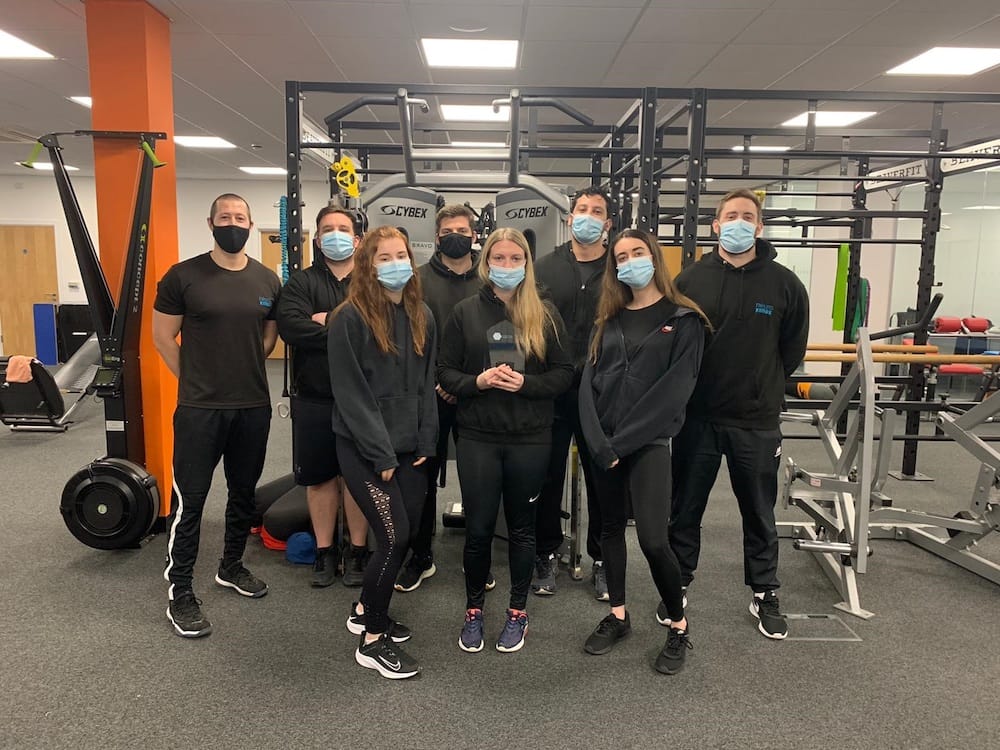
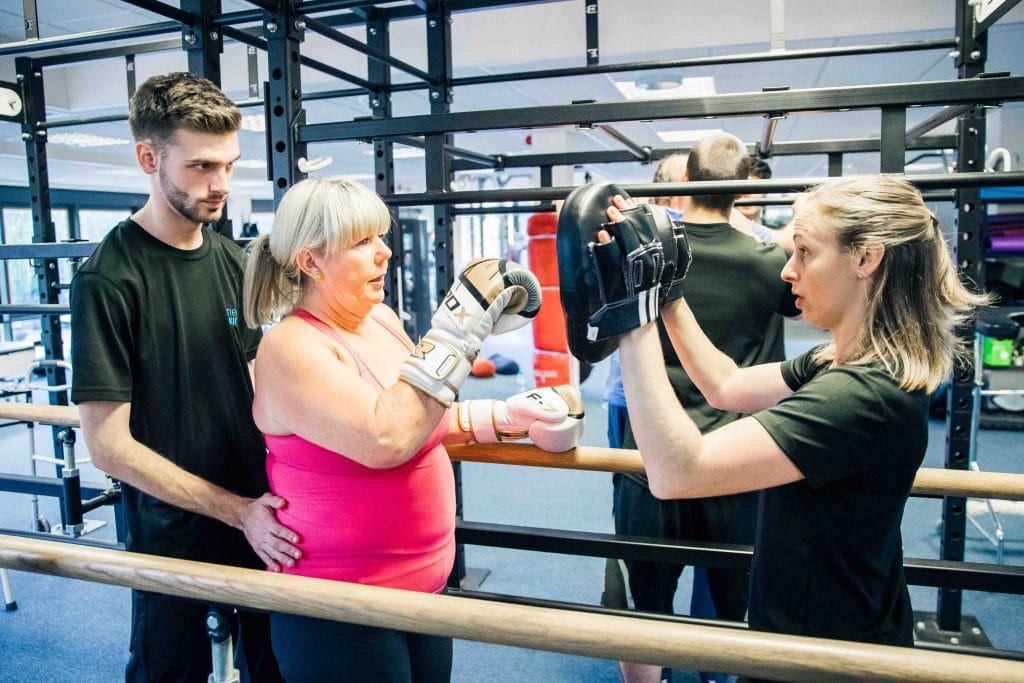
That ‘something’ was Neurokinex, the cutting-edge rehab facility inspired by the latest neurological rehabilitation and sports science, which devises bespoke programmes for spinal cord injury patients to continue to challenge their bodies to achieve more.
The award-winning business, which operates from three sites across the South of England and serves over 200 people per month, has been credited with giving new hope to people living with spinal cord injury for whom such intensive rehabilitation programmes would not have usually been available.
“The objective was to try to deliver the best-of-breed rehabilitation, make it accessible to as many people as possible whilst fostering a culture of continued innovation and evidence-based practise” says Harvey.
Keen to continue the theme of supporting innovation to make meaningful changes to people’s lives, Harvey has now joined Spinal Research as Chief Executive.
“Is spinal cord injury curable? Yes, it is inevitable that it will be one day. There may not be a single silver bullet but we can certainly envision a pipeline of interventions that will incrementally restore functions to people over time. However, we have a lot of work to do to make this vision a reality” says Harvey.
In partnership with the Christopher and Dana Reeve Foundation, Spinal Research has established an alliance to tackle some of the complexities and barriers of developing therapeutics, with a particular focus on how potentially complimentary therapeutics could be combined safely and efficiently.
“The spinal cord injury market is often not considered to be as big or attractive to large or mid-sized biotech businesses as in wider healthcare, and it’s taking some really courageous entrepreneurs to extract the ideas out of institutions and turn them into commercial products ready for clinical trials.
“Our alliance with the Christopher and Dana Reeve Foundation aims to make spinal cord injury more investible by providing both financial and expert support to these startup entrepreneurs so that they can move on to the next stage of the pipeline in a much stronger position for bigger investment.”
One venture to already receive such support is ONWARD, which is developing two products to deliver life-changing outcomes for spinal cord injured people, the first of which could be commercially available by 2023.
“This is really exciting and is probably one of the first breakthroughs likely to change the way we treat spinal cord injury. The potential impact is huge,” says Harvey.
“The spinal cord injury community needs a win and these technologies appear to be heading toward clinical application sooner rather than later”.
Whilst Harvey makes no secret of his excitement about the spinal cord stimulation technologies that ONWARD are bringing to clinical trials, he feels that this is just the start of an exciting era of innovation.
“Spinal cord stimulation is just one of the areas we are excited about. The field is continuing to build upon years of important discoveries to enhance plasticity, regenerate axons, optimise the injury site and replace important cells in the spinal cord, and this is yielding so many possibilities for repairing the spinal cord,”
Harvey says that foundations like Spinal Research and Christopher and Dana Reeve Foundation have important roles in helping early stage startups gear themselves up for success.
“We want to make sure that these lines of science, ideas and potential therapeutics are, if scientifically sound and rigorous, given the chance to succeed to the next stages of the pipeline for delivery”.