The Alzheimer’s Prevention Expert Group has accused the Lancet Commission of bad science for knowingly ignoring two highly effective and firmly evidence-based ways to reduce risk factors for dementia – high dose supplements of B vitamins and omega-3 fish oils as well as the impact of a low sugar diet.
The group of eleven leading scientists has called on the Lancet to revise its report which hit the headlines last month and minimised the effectiveness of nutrition and lifestyle interventions.
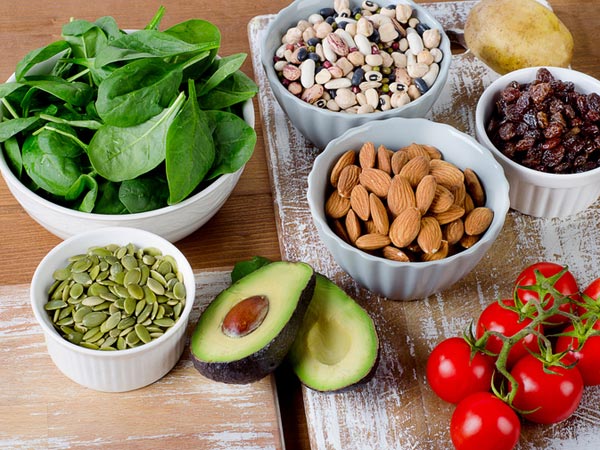
Scientific evidence clearly shows that high-dose B vitamins and omega-3 fish oils, reduce the risk factors for dementia, as does a low sugar diet.
The major benefit of B vitamins is their ability to lower levels of the damaging amino acid homocysteine, found in the brain of Alzheimer’s patients. A comprehensive Chinese review of Alzheimer’s prevention in 2020, described homocysteine lowering as ‘the most promising intervention for Alzheimer’s disease prevention’.
Last month a review in the Journal of Prevention of Alzheimer’s Disease listed reducing homocysteine among the top five evidence-based actions.
A US National Institutes of Health review attributes almost a quarter of the risk of Alzheimer’s to raised homocysteine and a further 22 per cent to lack of seafood and omega-3 fish oils.
The combination of high homocysteine, low omega-3 and vitamin D is present in the majority of those over 50 and quadruples dementia risk, according to research in Holland earlier this year (2024), led by Professor Annick van Soest at Wageningen University.
“Remarkably, a suboptimal status of all three nutrients was associated with a four-fold increased risk of dementia,” she says.
These common combined deficiencies, so easily corrected, could have a bigger impact on dementia risk than any of the 14 risk factors listed in the Lancet Commission’s report.
Yet, for the third time since the first Lancet Commission report in 2017, and despite being sent all the evidence, the report’s scientists, headed by Professor Gill Livingston, have ignored it.
Instead, two far less significant risk factors have been added – cholesterol and cataracts.
The report claims cataract surgery would eliminate a very modest 2 per cent of overall risk. In stark contrast, reducing high homocysteine (above 11mcmol/l), which affects about one in two of over 65s could potentially eliminate a quarter of all risk, “saving the UK economy approximately £60 million per year,” says Oxford University health economist, Professor Apostolos Tsiachristas.