


Leading mental health support after an acquired brain injury
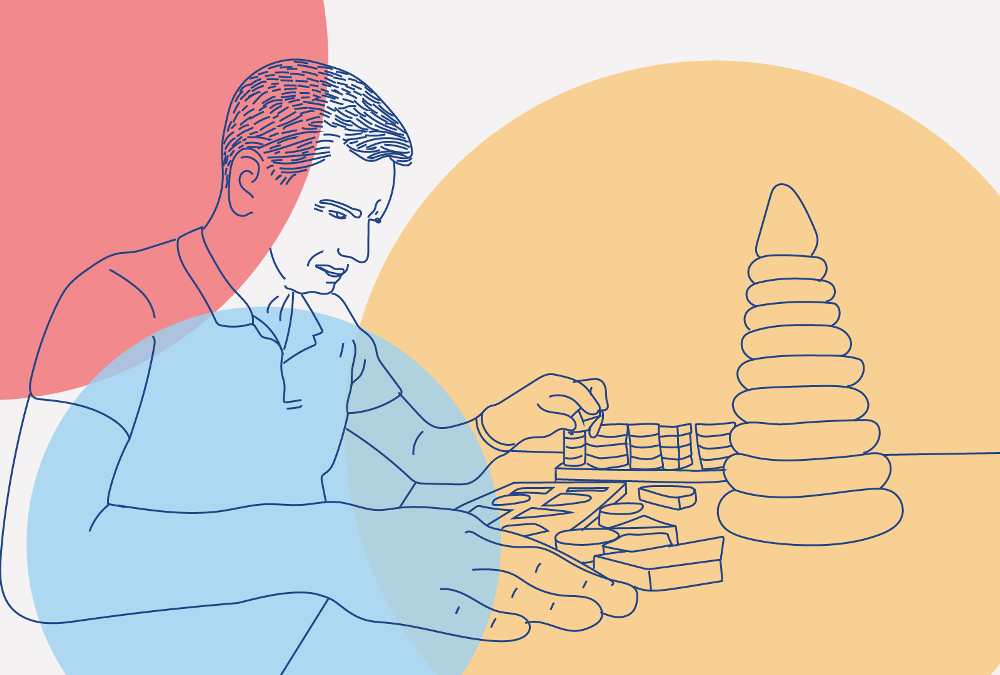
An interview with Amie Roberts, mental health lead at acuity care
Mental health is not an optional extra within neurorehabilitation – it is a core component of recovery.
As Mental Health Lead at acuity care, Amie Roberts’ role is to promote, protect and improve emotional and psychological wellbeing of individuals living with an acquired brain injury (ABI).
Her work centres on embedding trauma-informed care, recovery-focused approaches and supporting teams to deliver truly person-centred care.
“In neurorehabilitation, we’re not just supporting cognition or mobility”, Amie explains.
“We’re supporting identity, adjustment, and emotional recovery. Mental health has to be prioritised from the outset”.
Understanding Complexity Without Fear
In community settings, individuals with ABI may present with recurring mental health conditions, neurodevelopmental differences, personality-related difficulties, physical health challenges or significant social adversity.
The overlap between neurological change and psychological distress can create highly complex presentations.
A key part of Amie’s role is ensuring that this complexity is understood – not feared. “Complexity should never lead to avoidance” she says.
“Support must be proportionate, evidence-based and grounded in formulation and not assumption”.
This involves strengthening staff capability, overseeing risk management processes and promoting early intervention.
Mental health screening and formulation are embedded early within assessment pathways so that emotional wellbeing, coping capacity, risk factors and pre-existing mental health needs are identified at the beginning of rehabilitation, rather than waiting for crisis points.
Crucially, mental health goals are incorporated into overall rehabilitation plans.
Psychological stability, emotional regulation, adjustment to injury and social recovery are treated as core outcomes alongside mobility, speech and cognitive progress.
The Interaction Between Brain Injury and Emotional Wellbeing
Mental health support within neurorehabilitation requires an understanding of the interaction between cognition, trauma, identity loss and neurological change. In early rehabilitation, low or depressive mood is one of the most commonly observed emotional responses.
Fear of the unknown may present anxiety, paranoia or anger.
Behaviour often develops as a form of communication or as a secondary response to frustration and loss of control.
“Behaviours are rarely random” Amie notes.
“They often represent unmet needs, distress or attempts to gain control”.
Providing reassurance through consistent and effective communication is therefore essential, particularly during acute periods of distress or adjustment.
Delivering on agreed plans, maintaining predictable routines, ensuring regular medication reviews and creating robust, least restrictive risk assessments all contribute to emotional safety.
Amie promotes positive risk-taking and least restrictive practice, ensuring individuals are supported to regain autonomy wherever possible.
Consistent team responses and clear communication reduce anxiety and prevent escalation.
Trauma-Informed and Recovery-Focused Care
A fundamental principle of Amie’s approach is trauma-informed practice.
This means recognising that behaviours may be adaptive survival responses to past or present stressors, rather than simply symptoms to manage.
“Emotional safety comes first”, she says. “Without that, recovery is limited.”
Therapeutic strategies such a distress tolerance, grounding techniques and mindfulness are introduced to support emotional regulation and self-awareness.
These approaches help individuals rebuild identity, develop safer coping mechanisms and foster resilience.
Consistency, predictability and clear professional boundaries provide a stable framework that reduces anxiety.
Awareness of relational dynamics, including transference, supports healthy therapeutic engagement and protects both staff and individuals.
The Importance of MDT Collaboration
Multi-Disciplinary Team (MDT) working is central to effective mental health support.
Sharing risk, reflection and formulation across disciplines strengthens understanding of treatment pathways and goal planning.
Actively contributing a mental health perspective in MDT meetings ensures that behaviour presentations, mood changes, engagement and motivation are explored rather than overlooked.
Structured assessment is also key.
Completing a Functional Behaviour Assessment allows clinicians to identify triggers, maintaining factors and the function of behaviours.
This informs a Positive Behaviour Support plan that is targeted, evidence-informed and responsive to individual need.
Proactive crisis planning further strengthens care. Identifying early warning signs, collaboratively developing safety plans and establishing clear escalation pathways can prevent crises from intensifying while ensuring individuals feel supported and prepared.
An Integrated Vision
As Mental Health Lead, Amie advocates for an integrated, person-centred approach where emotional recovery is valued as highly as physical rehabilitation.
By embedding trauma-informed principles, prioritising early intervention, promoting least restrictive practice and strengthening MDT collaboration, mental health becomes woven into every stage of the rehabilitation journey.
In neurorehabilitation, recovery is not solely about regaining function – it is about rebuilding lives.
Find out more about acuity care at acuitycare.com

 Brain training may improve TBI outcomes


