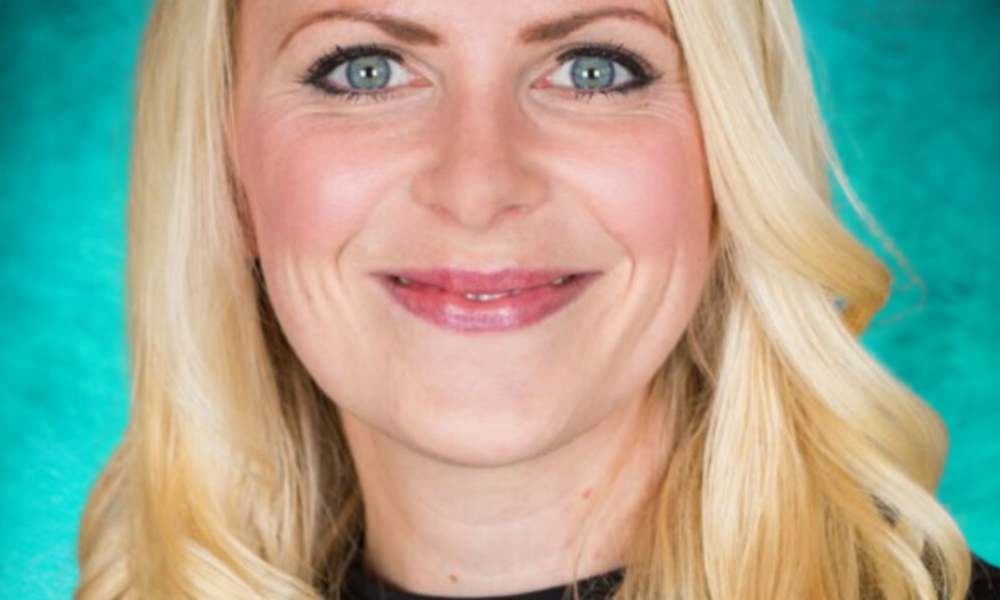
In the latest in our Meet the Lawyer series, we learn more about Sara Haf Uren, Partner in the Clinical Negligence department at Harding Evans Solicitors in Newport, Wales
Tell us about your experience to date
I joined Harding Evans in 2007 as a Paralegal before starting my Training Contract in 2008 working mainly in the Clinical Negligence Department. Having qualified in the area in 2010, I’ve progressed from Trainee to Partner and haven’t looked back. I deal with a variety of cases ranging from hospital falls, pressure sores, ophthalmic, orthopaedic to serious neurological injuries such as Cauda Equina and Cerebral Palsy and many more.
What makes brain and spinal cord injury claims different to general personal injury claims?
Anyone who is affected by Clinical Negligence knows too well what a devastating impact an injury can have on your life. Some Claimants can make a recovery from those injuries however, for the most serious and complex brain and spinal injury claims, recovery and rehabilitation is an extensive lifelong process which involves a team of specialists and experts to support and plan for the future, long after a claim has concluded.

How important is it to appoint a lawyer with specialism in brain and spinal injury claims?
Knowledge in this area is vital to identify early on the experts required to address complex ongoing and future care needs and assistance to allow those injured to improve their quality of life as they adjust. Many are sadly left with a life-long disabilities and a multi-disciplinary team (MDT) and a qualified Case Manager is required to identify what support is required physically but also psychologically, financially and to identify when the current home is not supporting the complex needs of an individual.
Another complex issue that arises in such claims is whether the person injured loses or has lost Mental Capacity such that a Court appointed Deputy needs to be put in place to ensure decisions regarding personal welfare, property and affairs are dealt with efficiently and in the best interest of the Claimant.
Interim payments should be applied for as early as possible if liability has been admitted to begin the rehabilitation process. An understanding of the benefits system and Personal Injury Trusts is also vital if the Claimant has not been able to work as a result of their catastrophic injury. It may be that the claim qualifies for Provisional Damages which can be considered where a Claimant’s condition has the potential to deteriorate. It would be unfair on a Claimant, if following settlement, their health got worsened and they were left undercompensated for their injuries. In those circumstances, the Court has the power to award provisional damages and the Claimant has the right to return to court to apply for further damages if that risk materialises. This can often be the case with complex brain and spinal cord injury cases.
Can you share an example of a particularly challenging case you have worked on, and how you overcame these challenges, to secure a positive outcome for the client?
Early on in my career, I acted for a young Claimant who underwent an unnecessary procedure to insert an intra cranial pressure monitoring device which was then misplaced during the surgery. As a result of the procedure and poor operative technique the Claimant sustained an extradural haematoma requiring craniotomy and evacuation. This resulted in a significant traumatic brain injury. It was also found during the evacuation procedure that a metal artefact was left behind with the life-long risk it would migrate. The Claimant developed moderate left side hemi-paralysis with sensory and mobility loss and severe debilitating PTSD.
This was a complex case due to the interplay between the physical condition, cognitive functioning and degree of disability. The claim required a multi-disciplinary approach involving a Neurologist, Neuropsychiatrist, Neuropsychologist and Occupational Therapist recommending a specific care package including adaptations to the home, multiple aids and equipment and structured intensive psychological treatment.
Can and should a client change their lawyer if they are not happy with how the case is progressing?
Expertise and trust are paramount. I take my role as a specialist Clinical Negligence Solicitor in this context very seriously as I realise the life-changing and often devastating impact serious and complex brain and spinal injuries can have on the Claimant but also the wider family dynamic. I try and ease the burden and stress of having to go through the litigation process by supporting and navigating the Claimant every step of the way with patience, understanding and integrity.
Many don’t envisage ever becoming embroiled in a long and complex civil claim therefore establishing that rapport and trusting relationship is vital from the outset. If communication with a current Solicitor has broken down, it is imperative for Claimant’s to feel like they have a voice in how the claim is progressing and seek out a specialist Solicitor who may be a better fit.
What do you look for when appointing or working with members of an MDT?
Again, expertise and trust are paramount as most Case Managers/members of an MDT will be involved in a claim for many years. No two cases are the same therefore an understanding of the Claimant’s specific medical, physical, psychological rehabilitation and therapeutic needs and those of the family and carers are vitally important whilst demonstrating proficiency at managing and coordinating a large team of clinicians, educators, social and local authorities.
How vital a role can the right MDT play in a client’s outcome?
The priority is always how to help the Claimant and their family, as much as possible to improve their quality of life through rehabilitation with the goal being to regain some independence and dignity. Such a rehabilitation package should be tailored to the individual Claimant and should be adapted should those needs change at any point. Access to appropriate resources and services minimises any stress to allow those injured and those caring for a loved one to focus on adjusting to a life-changing event.
A good Case Manager/MDT should be able to balance interaction and co-ordination between the Claimant, their family, Health Boards, Local Authorities and Housing Associations to maximise the chance of recovery and rehabilitation. Good commercial awareness of the case and individual needs is also very important.
Can you share a couple of your personal career highlights
Being appointed Partner eight years after qualifying was a very proud moment and in 2018 being named by Wales Online one of the 30 young lawyers to watch in the coming years.
Most recently I delivered a written opinion piece on the Ockenden report which led to an English language interview on BBC Radio Wales Drive and a Welsh language on BBC Radio Cymru. I spoke about the eagerly awaited final report of the Independent Review of maternity services at the Shrewsbury and Telford Hospital NHS Trust. As a first language Welsh speaker, I felt honoured to be given the opportunity to reach out to the Welsh speaking community.
Tell us a little about your life outside of work
I am a mother of two young daughters who certainly keep me busy. In my spare time I am an avid baker and was able to open a small independent online cake business making celebration and wedding cakes. I was lucky enough to feature in a high profile cake magazine and count a few Welsh Rugby stars as regular clients.
I also enjoy cross-fit classes and love being outdoors with my family and our dog. Nothing relaxes me more than cooking which my two daughters love doing with me also. I hope to be able to complete a patisserie course in the future and when the children are a little older to re-visit my cake business.