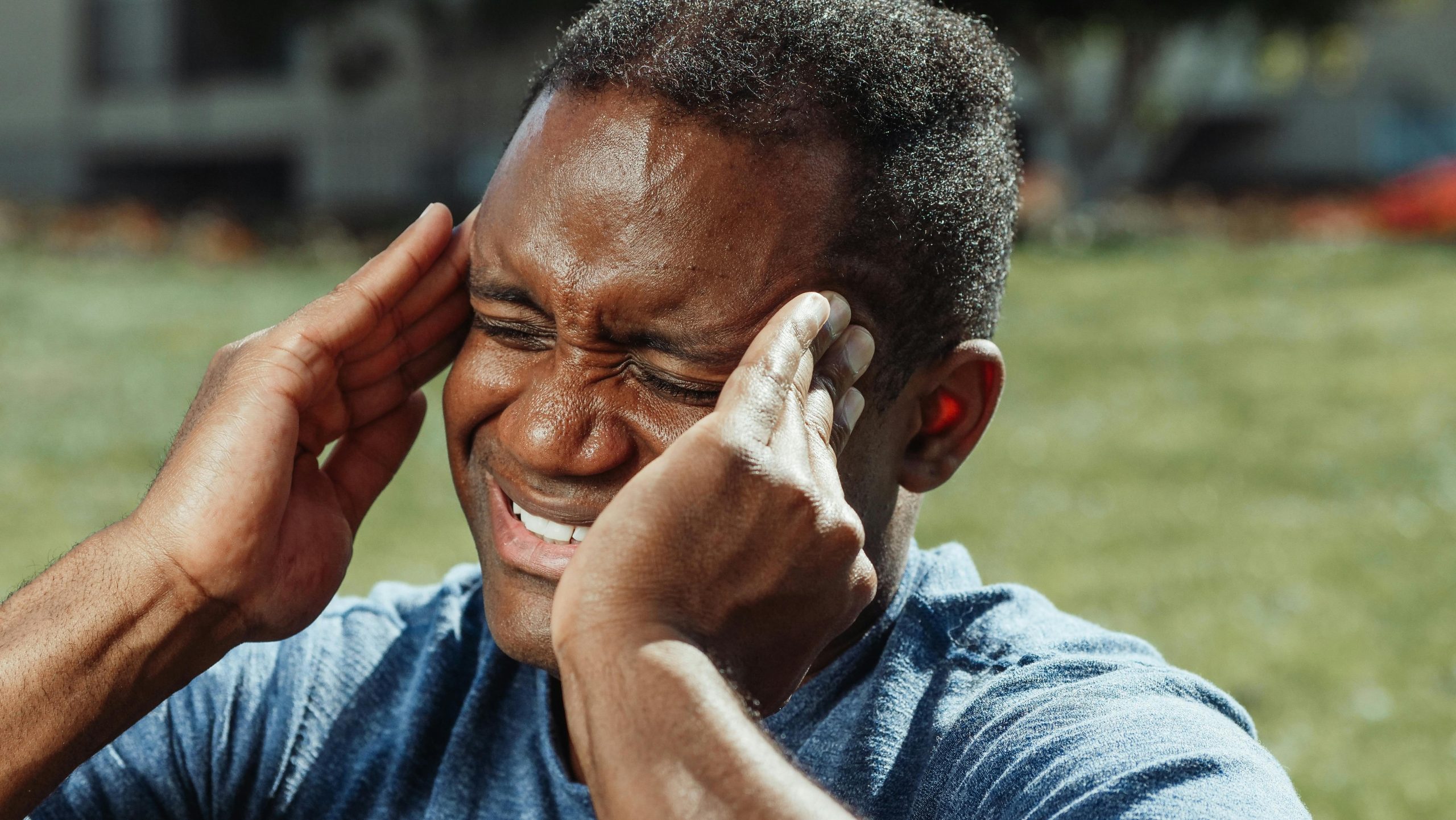
Migraine with aura was associated with an increased risk of ischemic stroke in middle-aged and older people, according to a recent study.
Migraine without aura was not associated with an increased risk. The study does not prove that migraine with aura causes an increased risk of stroke, it only shows an association.
An aura is a visual or other sensory disturbance that occurs before the migraine starts, such as seeing an expanding blurry patch with a jagged border.
Ischemic stroke is caused when blood flow is blocked to part of the brain. It is the most common type of stroke.
“Previous research has shown that migraine with aura is linked to an increased risk of stroke in younger people but less is known about people 45 years old and older,” said study author Adam Sprouse Blum, MD, PhD, of the University of Vermont in Burlington.
“Our study found that similar to younger people, migraine with aura was associated with an increased risk of ischemic stroke in middle-aged and older adults.”
The study included 11,381 people with an average age of 72 without stroke at the start of the study.
Participants were asked if they had ever been told by a health professional that they had migraine headaches.
If they answered yes, they were asked if their migraine headaches were associated with changes in vision before the headache to determine if they had aura.
Of participants, 1,130 people had migraine, including 491 people with aura and 639 without.
Participants were followed for an average of six years.
During the study, 3 per cent of people without migraine had a stroke and 4 per cent of people with migraine had a stroke.
Of those with migraine with aura, 5 per cent had a stroke. Of those with migraine without aura, 3 per cent had a stroke.
After adjusting for factors such as age, race and income and stroke risk factors like diabetes and high blood pressure, researchers found no association of migraine overall with a risk of stroke.
However, when they divided those with migraine into two groups, researchers found those with aura had a 73 per cent increased risk of stroke.
Researchers found no increased risk for those without aura.
Researchers also found that male participants younger than 72 with migraine, with or without aura, had a more than 3.5-fold increased risk of stroke.
They did not find an increased risk among female participants or older male participants.
“Our result that middle-aged and older male participants under age 72 had a much higher risk of stroke was unexpected since previous research in young people has shown that stroke disproportionately affects female individuals,” said Sprouse Blum.
“Future studies are needed to better understand these findings.
Should the findings be confirmed, it may be necessary to provide targeted stroke prevention counseling for individuals in this age group.”
A limitation of the study was that it did not assess age at migraine diagnosis, so it could not distinguish between recent and older cases.