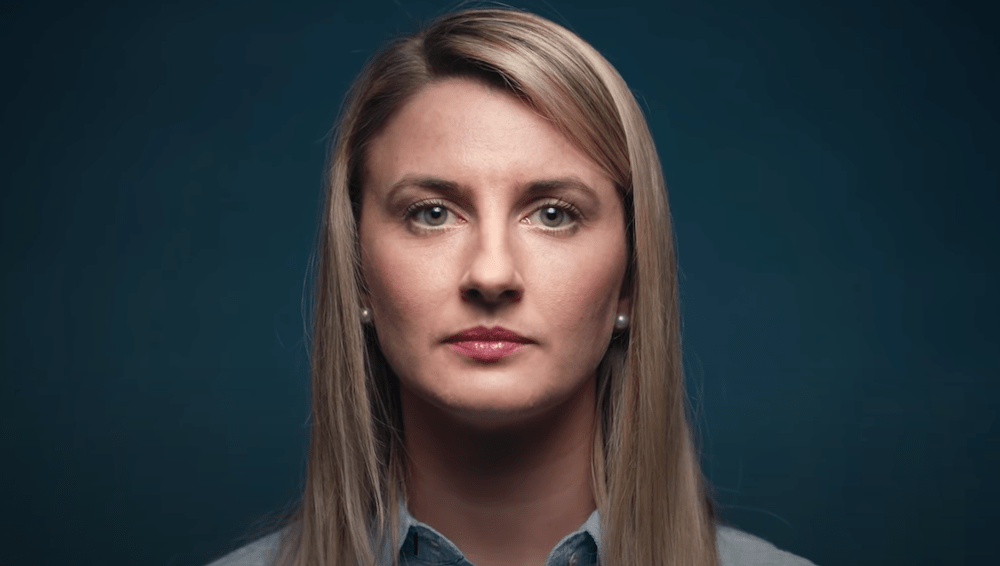
There are still many steps to be made by government to help drive improvements within stroke care, according to Chris Bryant, MP for Rhondda and chair of the All-Party Parliamentary Group (APPG) for Acquired Brain Injury.
The creation of major trauma units across the UK, says Bryant, have saved, but not necessarily improved, the lives of people with brain injuries.
“We’ve been able to save many more lives from traumatic brain injury (TBI) through road traffic accidents, but the problem is, all too often, we save people’s lives but we’re not giving them quality of life,” he says.
“A quarter of these units don’t have any consultant in neuro rehabilitation. Quite often there’s not enough neuro rehabilitation available for people to be able to have consistent and prolonged support.”
Bryant has also been arguing for patients to get prescriptions for neuro rehab – and this is still an ongoing effort for the APPG.
Someone who’s had a major brain injury might be relying on six people a week to help care for them, Bryant says.
“If you can enable them to have a more independent life, across that life, if they’ve gone from needing six people to one, or not needing any support at all, that saves a vast amount of money for the taxpayer. And if we can give people that quality of life, we should, we have a moral imperative to.”
Another ongoing issue is the impact of brain injury of children’s education, Bryant says.
“Children of poorer families are four times more likely to have a serious brain injury by the age of five than children of wealthy families,” he says.
“Failing to deal with brain injury in children can become a major-long term problem in the criminal justice system as well, Bryant says, if these children don’t get appropriate support when the need it.
One big area of focus for the APPG is the Department for Work and Pensions (DWP).
“All too often, the people who assess people don’t really understand brain injury well enough,” Bryant says. “They don’t understand how to deal with fatigue – it looks, to them, like laziness.”
However, Bryant said at this week’s Virtual Head Injury Information Day, hosted by personal injury firm Digby Brown that there has been some progress in this area.
“I’m told by ministers that everyone who’s an assessor in sickness-related benefits at the DWP is also trained in brain injury. I don’t know if it’s true, but that’s what I’m told,” he says.
“And I’m told by different companies that have got contracts who tell me that they are.”
Bryant says he’s talking about brain injuries with almost every government department, and is still waiting for Cabinet secretary Michael Gove to bring together a cross-departmental task force.
“I’m hopeful that very soon we’ll see significant change in attitude in central government to tackling these issues,” he says.
Bryant is concerned about the impact the coronavirus has had on research that is needed to help advance the work of the APPG.
“it’s relatively rare for brain injury to come alone as a condition,” he says. “Quite often, there are other problems as well.”
He says there needs to be more scientific advances so experts can better understand brain injuries in the context of other conditions, particularly around mental health.
“We need to get clinical trials back up and running. Mental and brain health need to sit together,” he says.
The DWP has been contacted for comment.