“People with Parkinson’s don’t want more medication – they want to overcome the barriers they face every day due to anxiety”
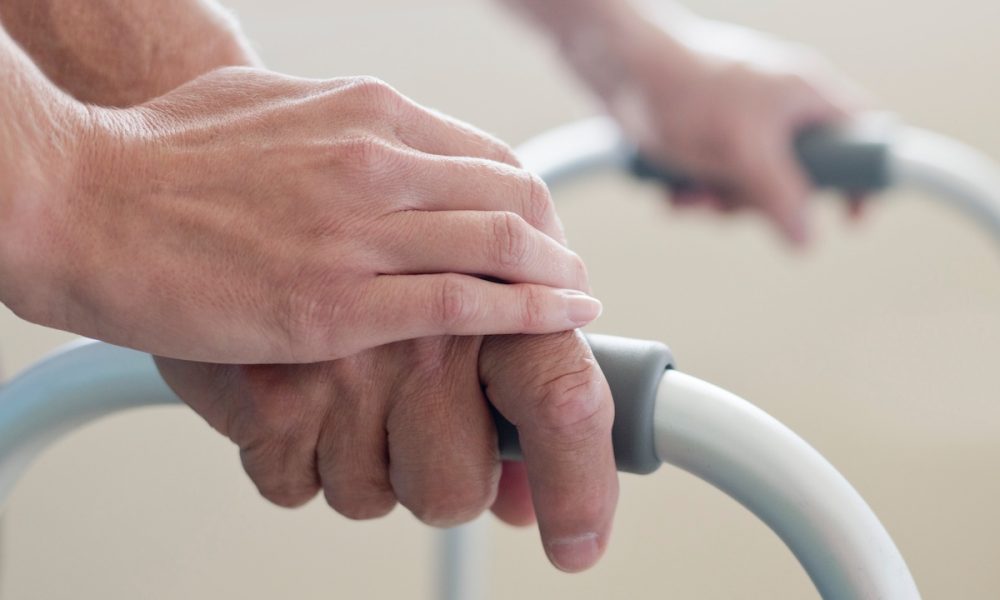
Studies suggest that as many as six in 10 people with Parkinson’s experience anxiety. Yet this and other non-motor challenges are largely overlooked by traditional interventions, with motor issues perhaps understandably prioritised among clinicians.
Having listened to urgent calls from within the Parkinson’s community for this to change, however, Christopher Lovegrove is on a mission to develop a new anxiety intervention; shaped, not by general population anxiety approaches, but by people living with the challenges of Parkinson’s every day.
An occupational therapist by background, Christopher is an NIHR clinical doctoral research fellow at the University of Plymouth and Royal Devon University Healthcare NHS Foundation Trust. Here he talks to NR Times about his vision and the progress made so far in realising it.
NR Times: While a Parkinson’s diagnosis must undoubtedly be a hugely troubling and frightening development, anxiety is not a symptom which is commonly associated with the condition outside of the Parkinson’s community. But is recognition of, and focus on, this and other non-motor problems starting to rise?
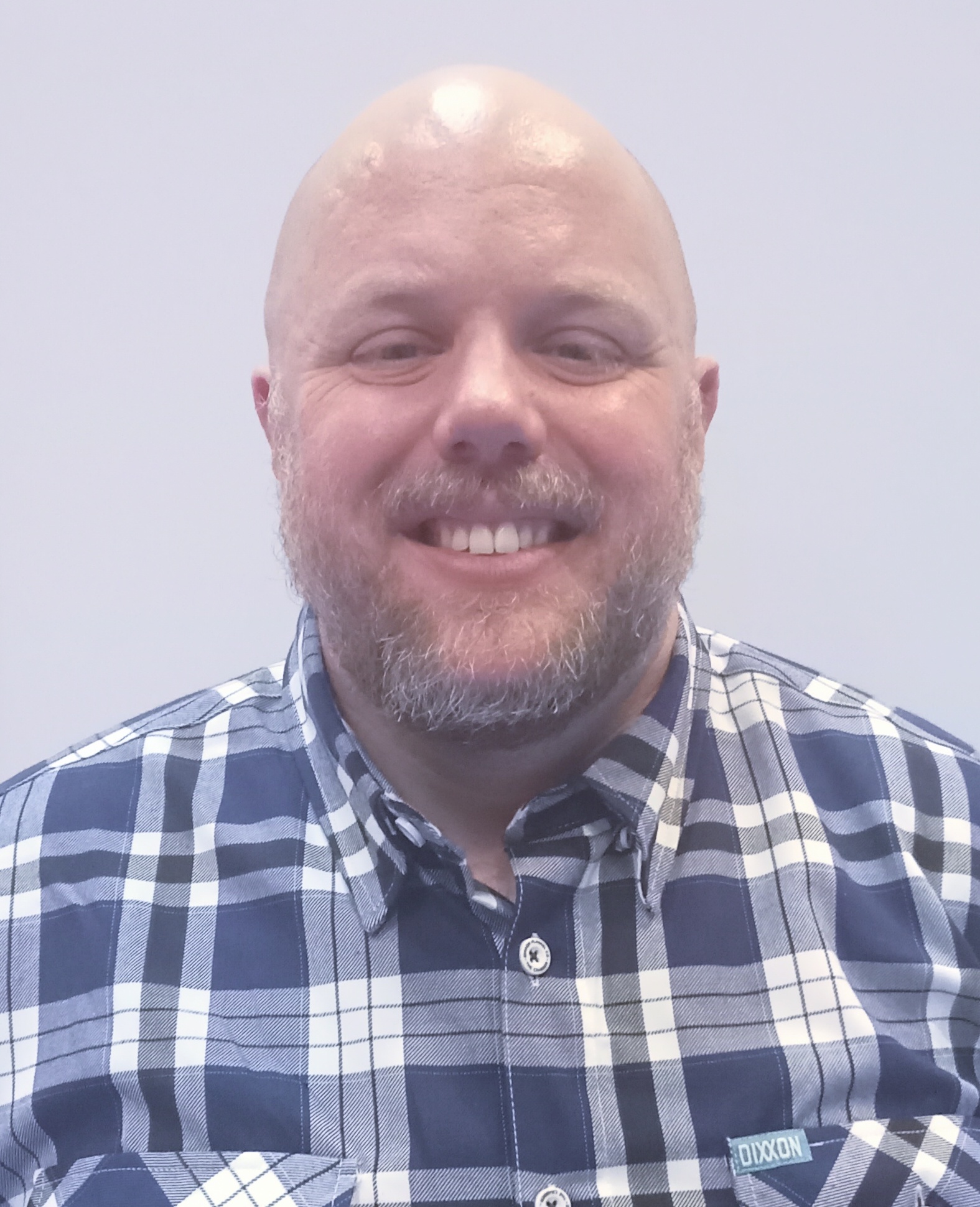
Christopher Lovegrove
Christopher Lovegrove: Parkinson’s is the second most common neurodegenerative condition globally and people living with it experience a range of motor and non-motor symptoms.
Traditionally, even in the very earliest days from the initial essay from James Parkinson about the ‘shaking palsy’, he began to pick up on these elements of non-motor symptoms.
But it hasn’t been until the last couple of decades that they have started to become more prominent. The focus in clinical services has predominantly been on motor problems and movement issues such as freezing and falling over.
These are, quite rightly, very important issues for people living with the condition.
But among many people affected by Parkinson’s there is more emphasis now on dropping the ‘disease’ moniker from PD and focusing on adapting and learning to live with the condition. Addressing non-motor challenges like anxiety is a crucial part of this.
From your research, and experiences working with people with Parkinson’s as an occupational therapist, do you believe managing these non-motor challenges is equally as important to the individual as approaching the motor issues?
As noted in some of the work on the health needs of people with Parkinson’s by Professor K Ray Chaudhuri, the non-motor symptoms are actually of much more concern to many such individuals.
While clinicians tend to worry most about patients falling over, when you talk to people with Parkinson’s, their most pressing issues tend to be; “I’m really anxious”, “I’m depressed” or “I’m having difficulties going to the toilet”.
They might also cite their cognitive challenges, such as impulse control disorders – behaviours which are excessive or harmful to oneself or others. These are the issues that are more important to people living with the condition.
How did your journey to finding a better way forward for people with anxiety and Parkinson’s begin?
Earlier in my career I worked with lots of people with Parkinson’s on an inpatient ward. Their motor symptoms were, of course, an issue, but it was the non-motor symptoms they were living with that were a really invasive and detrimental part of their life. Lots of them had anxiety and were afraid or, in some cases, terrified.
All of their medications and physical treatments were optimised, but they were still freezing, shaking, and falling often. Was this shaking from the tremor associated with Parkinson’s or was it because they were afraid? One person described it as “I feel like I’m going to die.”
I asked my clinical lead colleagues what we could do with this group of people, and I was urged to investigate it myself. I discovered there really wasn’t much out there that would be effective for this group of people.
There wasn’t an evidence base for the traditional treatments for anxiety in people with Parkinson’s; and what limited evidence did exist seemed to indicate they would be less effective in Parkinson’s cases.
That really set me off on the journey to learn more about Parkinson’s and anxiety and what I might be able to do to help improve the lives of people living with Parkinson’s.
My initial research led me to quickly discover that anxiety is a very common non-motor symptom for people with Parkinson’s, which correlated with what I was seeing clinically.
Studies suggest that between 40 and 65 per cent of people living with Parkinson’s experience anxiety.
Compared to groups of people living without Parkinson’s, they seem to experience anxiety more commonly. In fact, because it is so common, anxiety is the second highest research priority of the national charity, Parkinson’s UK.
Aside from increasing the research evidence for anxiety in Parkinson’s, you felt compelled to develop a tangible solution?
I felt as a professional, and individually, there needed to be more work done to help this group of people. Just saying “we can’t really help” them wasn’t an acceptable route.
Since 2015 I have been working on a research project to develop a new intervention.
Looking at the literature, it became clear that we needed to think about approaching anxiety and Parkinson’s in a different way.
It emerged that a lot of the work out there was taking solutions originally tested in groups without Parkinson’s and trying to make them fit people with Parkinson’s.
As an occupational therapist, I was wondering why we weren’t asking people living with the condition what they thought they needed to live well with anxiety?
What did they think an intervention should look like? What even was their experience of anxiety? No-one had actually asked them these questions.
How has your development of this new intervention taken shape?
My initial research published in 2021 looked at the lived experience of anxiety for people living with Parkinson’s. That exploratory research provided the bedrock for us to build our new intervention.
We also did a scoping review looking at what was already out there in occupational therapy-based interventions for people living with anxiety generally.
There is so little evidence specific to Parkinson’s, so we had to cast the net wide.
We then conducted a group concept mapping study. We involved nearly 100 participants, with 80+ people with Parkinson’s and the rest made up of care partners and occupational therapists.
We used an online consensus method to pull together a sense of what concepts were considered really important within the new intervention.
We wanted to give people living with the condition a central voice on what these concepts going into the intervention should look like.
Next, we carried out a logic modelling study, again using a stakeholder group made up with a majority of people with Parkinson’s.
Based on our findings in earlier studies, the aim was to construct what they thought the raw model or process of the intervention should be.
We completed that and then, working with our Patient Public Involvement group, pulled together an initial intervention package.
People with Parkinson’s have told us they don’t want more medication so it’s not a medication treatment. And they don’t want a psychological talking therapy like CBT where they are sat talking to another person. They want to address their anxiety related problems in context in their life.
They want pragmatic solutions to be able to address the participation barriers they face every day from anxiety, to do the things that they really want to do.
Can you give us a brief overview of the invention at its current stage of development?
Whilst I can’t share too many details about the intervention as we have just started our feasibility trial, I can share that the intervention will be focused on ‘doing’.
This means that occupational therapist will directly address the activities that people want to do that their anxiety is stopping them from doing.
People with Parkinson’s have told us that they want the intervention to be focused on this rather than sitting and having a ‘talking therapy’ or exercise as the main treatment.
The structure of the intervention takes concepts of lifestyle management, acceptance and commitment therapy, and behavioural activation to help achieve this.
What happens now and how long might it be before the intervention is widely available?
We have just had ethical approval to run a multicentre feasibility cluster randomised control trial, across two sites in South West England.
We’re going to be testing the feasibility of the new intervention. How realistic it is to use in a busy NHS setting? Is it acceptable to people with Parkinson’s? Do the processes and components of the trial work properly?
Pending the findings from that, the next step is to move towards a larger multicentre randomised control trial across the UK to test the intervention’s clinical and cost effectiveness.
Assuming at the end of that process it’s shown to be clinical and cost effective, my vision is to then move towards an implementation programme where we can get this delivered and rolled out across the NHS as quickly as possible. It could realistically be available by 2028.
Christopher Lovegrove is an NIHR clinical doctoral research fellow at the University of Plymouth and Royal Devon & Exeter NHS Foundation Trust. As an occupational therapist he has spent most of his 15+ years of practice specialising in neurology.
He embarked on a clinical academic career in parallel to his role in frontline services in 2015, developing and delivering Parkinson’s-based research. His research is funded via the NIHR’s Doctoral Clinical Practitioner Academic Fellowship and also supported logistically by the charity, Parkinson’s UK.