Reconnections reports strong start to 2023
Groundbreaking neurorehabilitation service Reconnections has reported a strong start to 2023, with referrals running at their highest ever level.
The service, which opened in June 2021, has an interdisciplinary team which includes neuro occupational therapists, neuro physiotherapists, neuro speech and language therapists, neuro psychologists, positive behaviour support practitioners and rehabilitation coaches.
The team works collaboratively to deliver individual plans for participants on their rehabilitation journey.
Commenting on the centre’s progress, Claire Appleton, head of service at Reconnections said: “It’s been a hugely encouraging start to the year.
“Our referral pipeline is strong and we have more participants than ever before in the centre. There’s a real feel-good factor around the service.”
Explaining the reasons why, Claire continued: “We’re no longer the new kid on the block. We’ve worked so hard since opening our doors in 2021.
“From day one we’ve done things differently, bringing together the very best in person-centred care delivered in a homely environment that inspires and supports people to become the best they can be.”
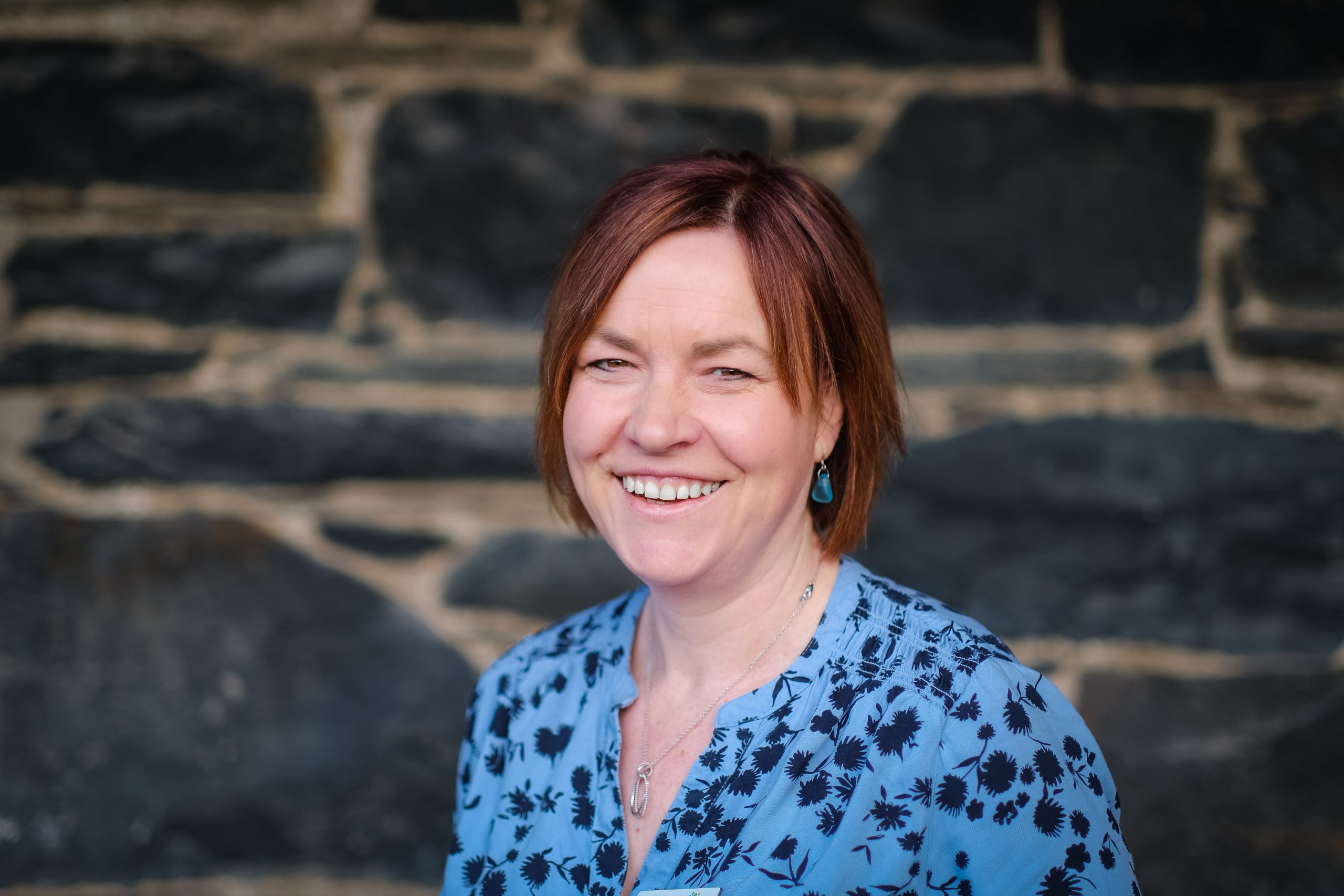
Claire believes case managers, lawyers, insurers and the wider brain injury community are now recognising Reconnections as a leading, specialist clinically-led rehabilitation unit.
“People with ABI can sometimes find the set procedures of neuro-rehabilitation too clinical, inflexible and impersonal,” she continued.
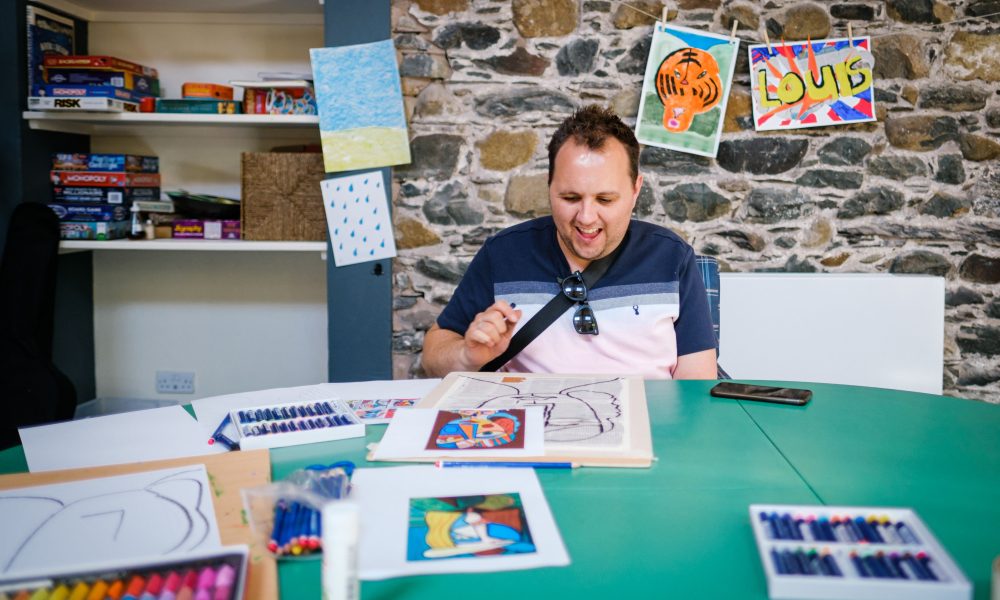
“Our expert clinical therapy team combines cognitive and physical rehabilitation with vocational and outdoor activities delivered within a unique non-clinical environment.
“Our use of outdoor activities differentiates our service from other rehab providers but so too does the depth of expertise within our clinical team.”
Reconnections last year released its first evidence-based outcomes review with participants reporting life-changing outcomes.
Analysis of participants’ outcomes indicated:
- 100 per cent improved their ability to carry out everyday activities
- 100 per cent needed less support when they were discharged and 60 per cent have progressed onto independent living
- 100 per cent reported an improved hope for the future and an improved sense of purpose and direction in their life
- 90 per cent achieved their goals
- 80 per cent felt more empowered through greater participation and control over decisions that affect their lives.

“Releasing our outcomes review was a significant moment. The evidence is now there for all to see,” said Claire.
“We have a very large rehabilitation toolbox and we constantly strive to expand the horizons of what is possible with brain injury rehabilitation.
“The changes to participants’ lives have been a privilege to be part of, and the feedback from family and professionals involved has been inspirational.
“On a personal level, I’ll never forget paragliding with one of our participants. It was a special moment for us both.”
For further information on Reconnections, or to make a referral, visit www.calvertreconnections.org.uk