




Dr Paul Rinne is CEO and co-founder of GripAble, a mobile assessment and training platform to enable home-based remote rehab for people with a wide range of neurological and musculoskeletal conditions.
With the demands of delivering care during a pandemic leading to significant backlogs in healthcare across the world, Dr Rinne explains the urgent need for – and potential of – a hybrid, digitally-driven pathway of care, and the opportunity GripAble provides to therapists who need to engage their patients in rehabilitation remotely
Pandemic backlog
Patients with physical and cognitive impairments require guided therapy to improve their quality of life. Simply put, the more rehab they do and the more they adhere to professional guidance, the greater their chances of having better outcomes, with a wealth of evidence backing this up.
However, due to resource costs and poor logistics, current health systems cannot deliver the amount of therapy needed, with significant backlogs, and few patients receiving anywhere near what they require to improve their quality of life.
This is a common problem faced by hundreds of millions of patients around the world, with demand for treatment outstripping capacity even before COVID-19. Inefficient care pathways are not only costing health systems hundreds of billions of dollars every year but costing people the chance to live their lives to their full potential.
Prior to the pandemic in the UK (February 2020), there were already 4.43 million people on a waiting list for care. At the start of the pandemic, the number of people joining waiting lists initially dropped, but has since been rising. The latest figures for February 2022 show a record of over 6.1 million people waiting for treatment.* This doesn’t include the growing ‘hidden backlog’ of people that require care but have either not yet presented, or who have had referrals cancelled.
Indeed, the COVID-19 lockdowns resulted in many patients being isolated at home, unable to attend therapy appointments and some unable to access emergency treatment, increasing the risk of disability. Not only this, but the increased risk of stroke post-COVID and the need for physical rehabilitation amongst COVID survivors, means that a tsunami of disability could be coming, if digital pathways to support therapy are not implemented quickly enough.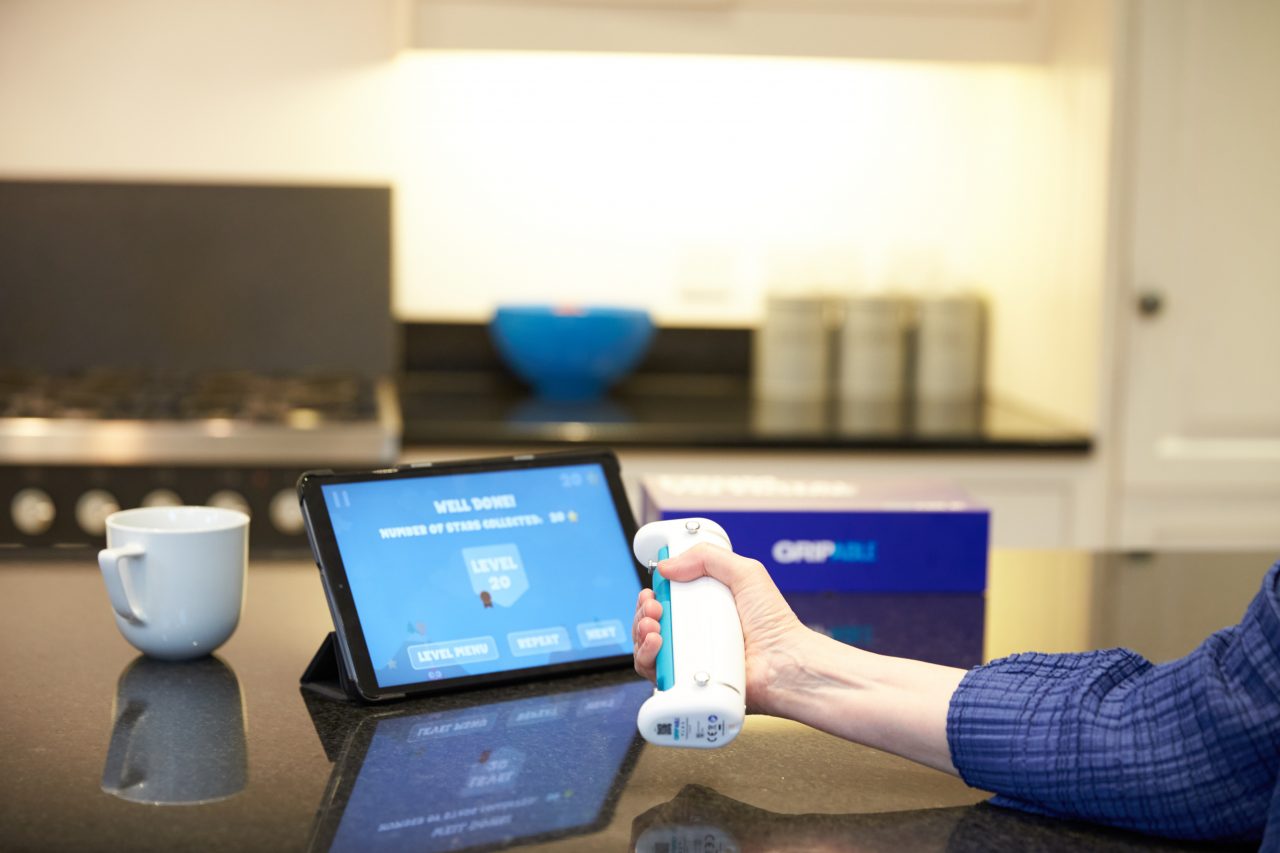
Uptake of digital technology
The uptake of digital technology in healthcare, which has to date been very slow, has been forced to fast-track as a direct result of the pandemic. The world has moved on, driving changes in technology which will shape the delivery of healthcare in the UK.
Significant advances have been made in areas such as telehealth and digital health to deliver immediate care to patients unable to attend in-person appointments.
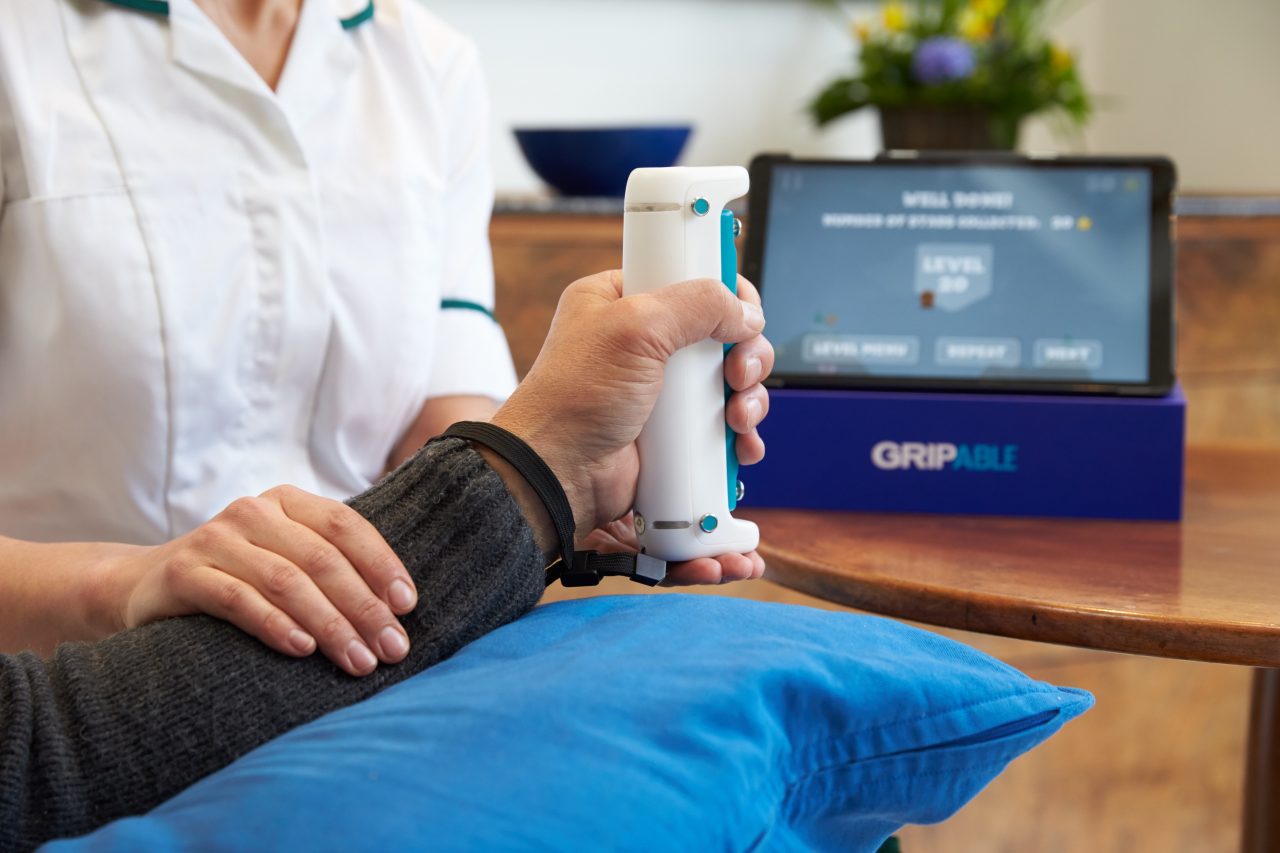
Mobile is driving the increased technology adoption we are seeing, with therapists now being able to use platforms like GripAble to translate their services and expertise to the home environment. This is a crucial development as, for many years, therapists have struggled to find the appropriate tools that can engage their patients in rehab, allow for greater efficiency in their workflow, and track outcomes remotely.
However, if technology is developed without careful consideration of delivery and adoption, it can be difficult for therapists and patients to implement and adopt and present further hurdles. Technology for rehabilitation must fit in seamlessly with the clinical pathway, allow for truly independent use, and be scalable and accessible. For those returning home from hospital, technology that aids this transition is vital.
Facilitating remote rehab
There are currently six million people across the UK living with upper limb disability, and 384 million people worldwide. Physical rehabilitation is critical for people to restore quality of life after suffering a stroke, or the onset of many other neurological and orthopaedic conditions. Studies show that repetitive, task-directed exercises can improve long-term upper limb recovery, making this a key component of occupational therapy and physiotherapy following a stroke. However, as I have mentioned, this level of therapy can be difficult to implement and deliver due to resource constraints within healthcare settings, as well as the range of challenges faced by stroke survivors during their recovery.
But the advent of remote and telerehab devices has created the opportunity for high volumes of gold-standard, efficient and personalised therapy to be delivered to patients across the world, from hospital to home, making outcome-driven care scalable and accessible to all.
At the cutting edge of occupational and physical therapy, GripAble is a smart mobile assessment and training platform to help people work on their hand and arm movement and grip strength. At the heart of its design is turning the rehab grind into fun, by training core hand movements in an engaging, gamified way to help people along the journey of restored ability.
Over the last seven years, GripAble has been tested and developed in partnership with thousands of occupational therapists and physiotherapists and patients across multiple clinical conditions and leading academic institutions including Imperial College London and within Imperial Healthcare NHS Trust.
The platform is unique in the way it provides therapists, and patients of all ages, the ability and transparency to track and assess progress. GripAble’s unique handgrip captures data that allows for highly accurate monitoring for therapists when compared to more traditional devices such as hydraulic dynamometers, foam balls and putty.
In a clinical trial of 30 patients, researchers from Imperial College London, the University of Southampton and Imperial College Healthcare NHS Trust found that GripAble enabled on average 104 upper limb repetitions per day whereas conventional therapy achieved 15 upper limb repetitions per day.
The study, which was funded by NIHR Imperial Biomedical Research Centre (BRC) and published in Neurorehabilitation & Neural Repair, is the first to show that a digital rehabilitation platform – GripAble – can achieve significant increases in the amount of exercise patients do compared to supervised therapy only. The findings suggest that a significant proportion of stroke survivors may potentially benefit from GripAble alongside conventional therapy. This could improve patient outcomes as well as ease pressure on global healthcare systems in terms of infrastructure and resources.
Home-based clinic
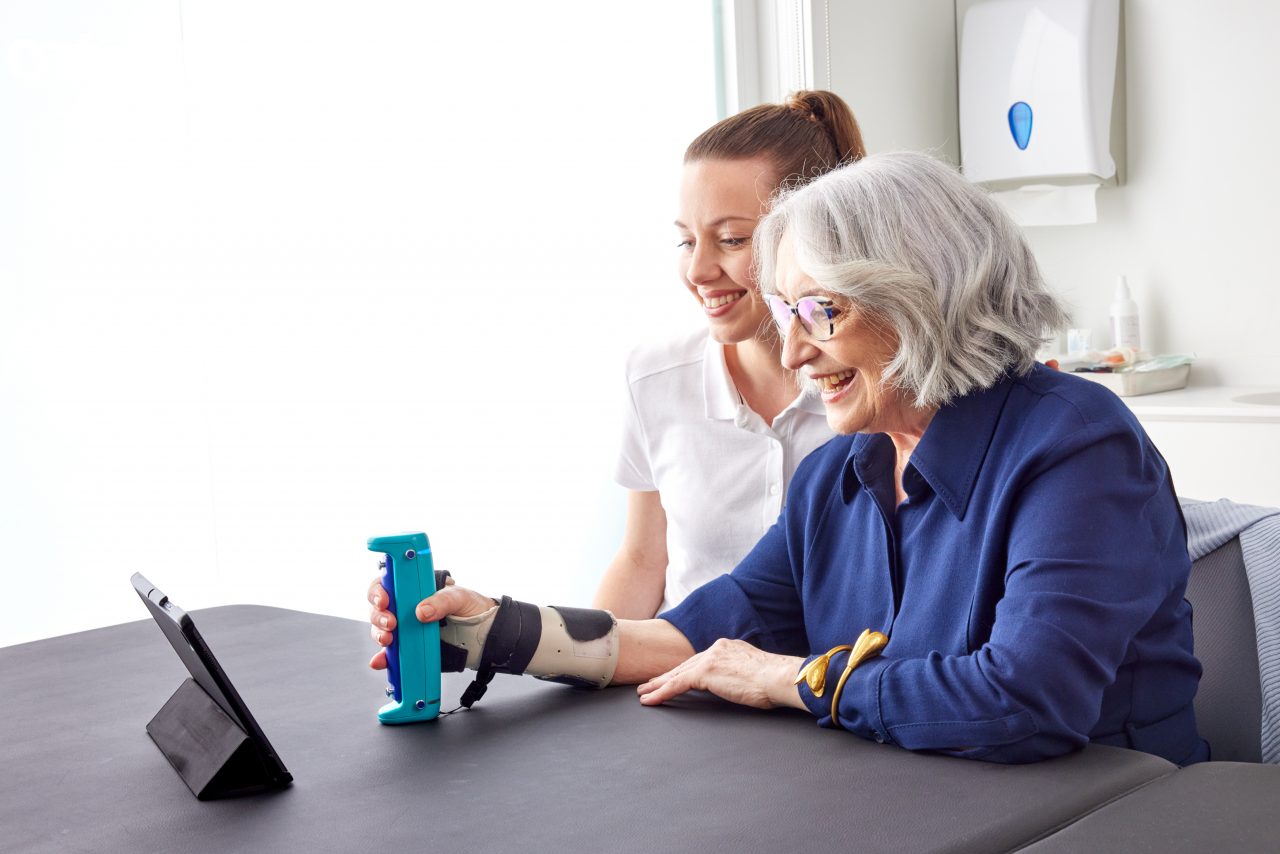
As a full-stack solution, with bespoke-built mobile hardware, software and data services, GripAble provides a platform for further home-based technological advances. Add-ons are already in development for whole body rehabilitation, and we are working with big pharma to support drug development for people living with upper limb impairment.
With investment backing, GripAble is ideally positioned to deliver end-to-end patient care and connect millions to their own personal home-based clinic.
GripAble has the unique opportunity to be used by every single person coming into contact with the healthcare system globally, measuring and recording grip strength from early childhood until end-of-life care. By empowering patients and therapists through remote rehab, GripAble has the ability to not only change the face of physical rehabilitation, but also of the global healthcare sector in general, helping to tackle the backlog in care and allowing more people to access the therapy they need.
About GripAble
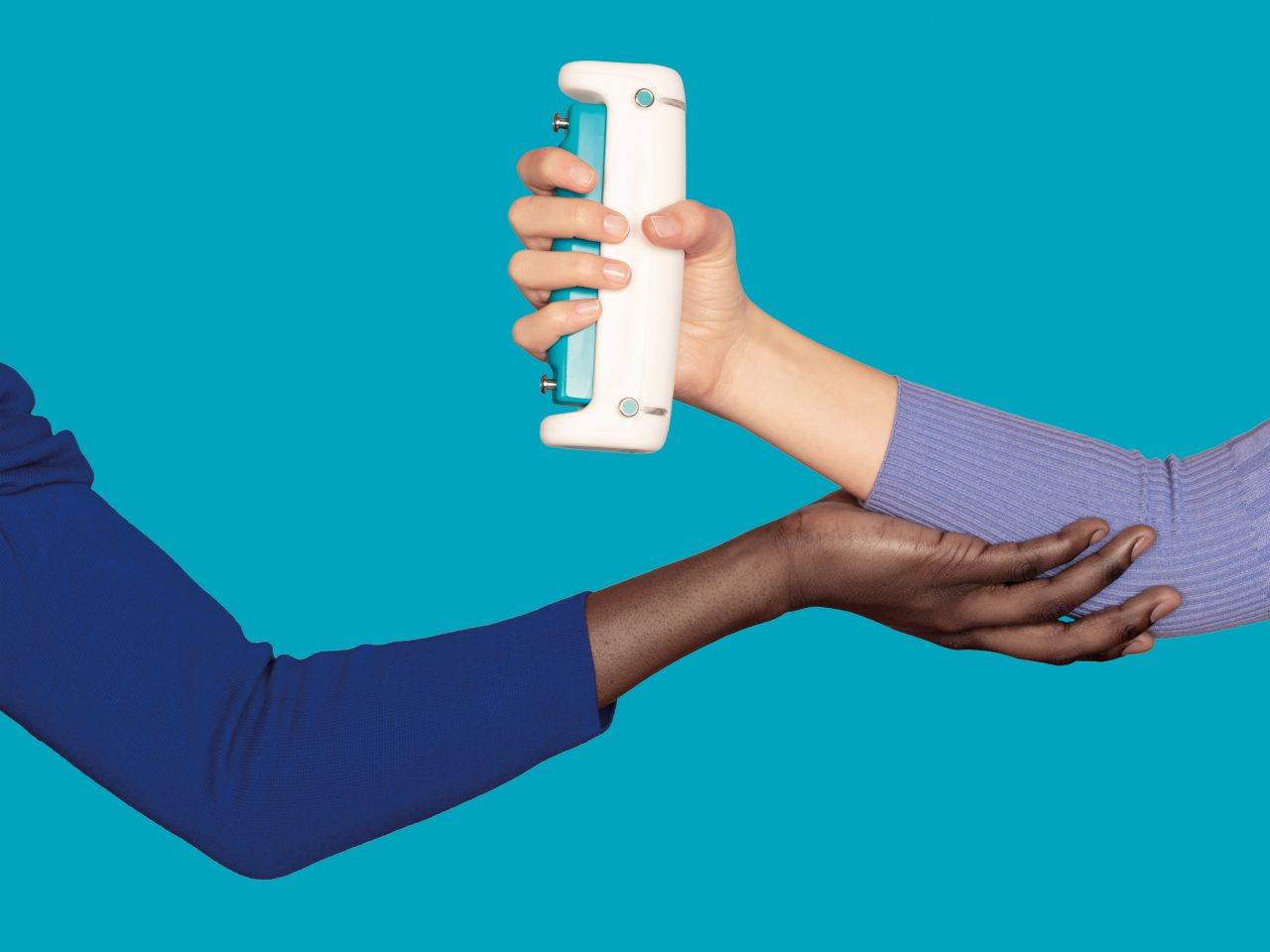
GripAble is a London based start-up digitising rehabilitation from hospital to home.
GripAble’s digital platform, which includes bespoke hand-held sensors, mobile hardware, software, in-built gamification and data services, enables home-based rehabilitation, allowing more patients to access gold standard care from professional therapists for longer periods, driving improved outcomes while decreasing the burden on healthcare systems.
GripAble is delivering a full range of services to nearly 1,000 customers, and has already achieved considerable neurological, musculoskeletal, and paediatric care provider adoption across NHS and private healthcare. As a result, GripAble has established itself as the leading technology in the upper limb remote-rehab space.
For more information, visit: www.gripable.co
References
*British Medical Association (BMA) NHS backlog data analysis


