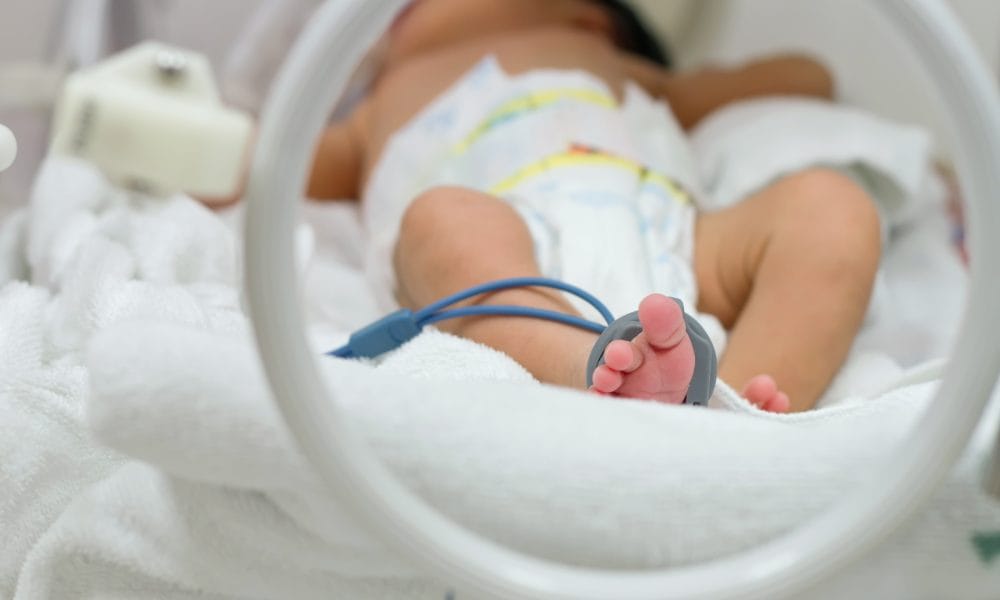
Specialist medical negligence firm Gadsby Wicks has supported a family to reach a settlement after delayed delivery resulted in their newborn being diagnosed with dystonic athetoid cerebral palsy and epilepsy. NR Times learns more
The case
The newborn was delivered following a prolonged second stage of labour.
The midwives supporting the birth failed to diagnose this delayed second stage, and they allowed this phase to continue for three hours without summoning an obstetrician or augmenting labour.
It was also discovered that the midwives carried out two attempts at manual rotation without calling an obstetrician or commencing a CTG trace.
During delivery, the baby was flat and the umbilical cord was loosely wrapped around their neck. The child made no respiratory effort.
Paediatricians were called and the infant was resuscitated. They required ventilation and experienced seizures within hours of birth.
The newborn has since been diagnosed with dystonic athetoid cerebral palsy and epilepsy, meaning the child cannot walk unaided and is unable to speak due to their birth injury. They communicate by eye pointing and are fed via a PEG.

The claim
Alan Mendham, a partner at Gadsby Wicks and an accomplished medical negligence solicitor with nearly two decades of experience, led this case.
The claim was pursued on the basis that the midwives failed to carry out adequate monitoring of the foetal heart rate during the first and second stages of labour.
It was also found that they failed to diagnose or record when the second stage of labour had commenced, and did not recognise that the second phase had been prolonged for a period of three hours, requiring obstetric review.
In addition, no obstetric review was conducted after the frequency of contractions had reduced in the presence of maternal pyrexia, and the healthcare teams did not commence a CTG trace when required.
Finally, the midwives carried out manual rotations incompetently and unreliably recorded the foetal heart rate.
If the mother had received adequate midwifery care, the infant would have been delivered earlier and would have avoided injury.
The result
Legal proceedings were issued after the defendants initially denied both breach of duty and causation.
However, shortly before expert evidence was exchanged, it was agreed that judgement should be entered for the claimant for 85 per cent of full value. Following investigation into quantum, the claim settled shortly before trial.
“Although no amount of compensation can ever make up for the distress and damage caused, we are pleased to have provided the answers, justice and financial support the family was rightly owed,” said Alan Mendham.
“Through the team’s hard work, the claimant’s loved ones now have the financial security to manage the challenges their child faces in the future.”