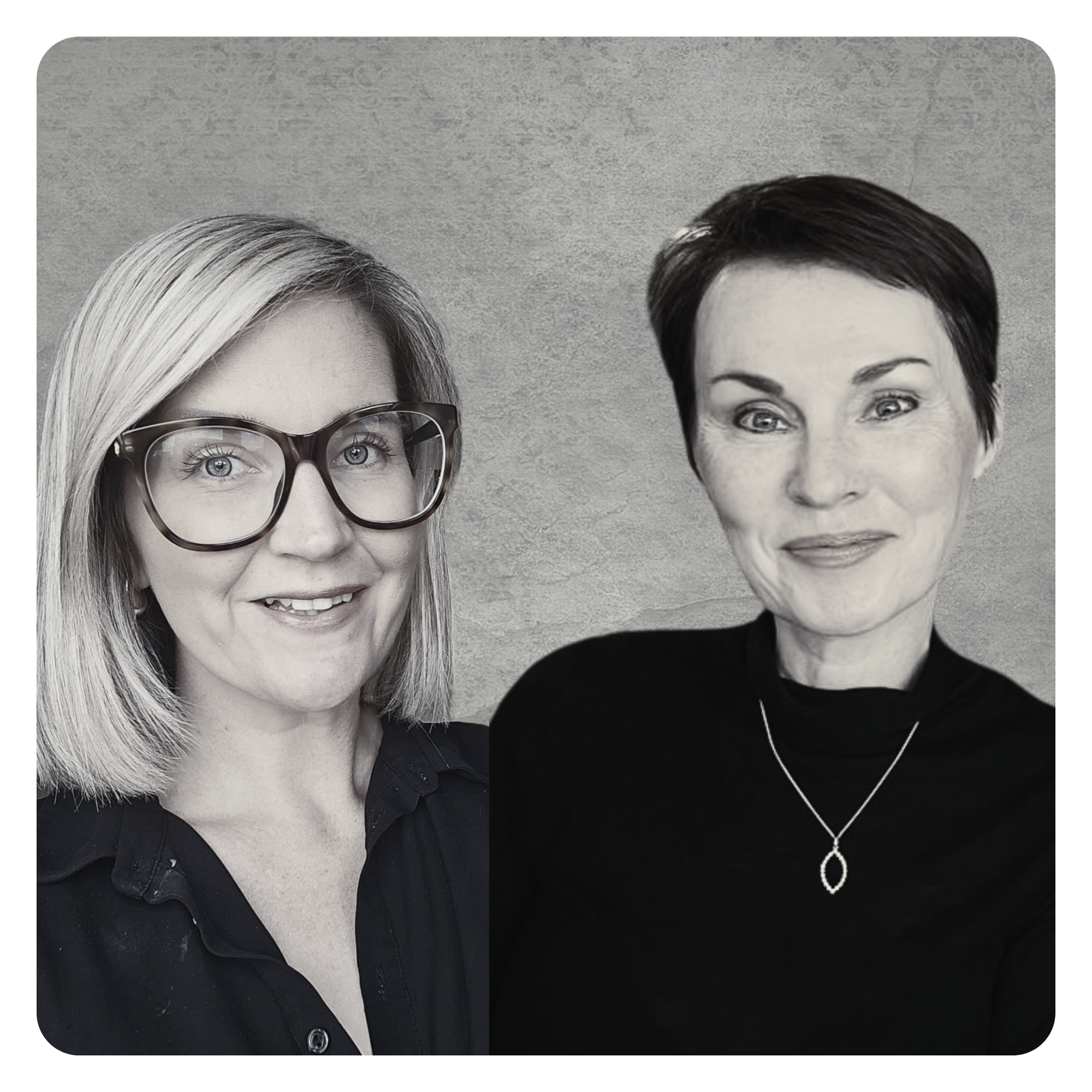
We spoke with Breakthrough CEO, Annabelle, and Managing Director, Victoria, about how their integrated, person-centred approach is transforming rehabilitation for people after brain and spinal injuries.
Q: What inspired the ethos behind Breakthrough’s approach?
Annabelle:
When someone experiences a traumatic injury, everything changes overnight. It’s not just about physical recovery—it’s about rebuilding a life that feels meaningful again.
That’s always been at the heart of what we do. We wanted to create a service that sees the whole person, not just their injury or their diagnosis.
Victoria:
And not just see them—but work with them. Too often, people feel like things are done to them in rehab. We’re here to change that.
Our approach is collaborative and empowering. We listen, we adapt, and we walk alongside every person, every step of the way.
Q: You describe your approach as ‘joined-up’. What does that look like in practice?
Victoria:
It means we don’t work in silos. Our case managers, complex care teams, and occupational therapists are in constant communication.
They build one shared plan around the person’s needs, goals, and circumstances. That kind of integration means better outcomes and smoother journeys.
Annabelle:
It’s also about trust. Our referrers, clients and their families know they can turn to one team who knows them well.
Whether that’s coordinating therapists, arranging specialist care, or helping someone regain independence at home, we’re joined-up because real life is joined-up.
Q: Can you share an example of how this approach makes a difference?
Annabelle:
There was a young man we supported after a severe brain injury. He had complex physical and emotional needs.
Because our services were aligned, we could respond quickly—our OT was helping him regain basic mobility while our case manager arranged neuropsychology input and liaised with his further education college to help him reintegrate.
Meanwhile, our care team built a rapport with him that brought real confidence back into his world.
Victoria:
Exactly—and those small steps added up to real progress. He didn’t just meet goals; he exceeded them.
That’s what happens when people feel safe, understood, and supported by a team who believe in them.
Q: Why do you think this kind of approach is needed now more than ever?
Victoria:
The system is stretched. Families are under pressure. When someone experiences traumatic injury, they need clear guidance and coordinated support, fast.
Our model removes the overwhelm and replaces it with clarity, expertise, and care.
Annabelle:
And beyond the systems and structures, people need hope.
We want every person who comes to us to know, you’re not alone, and rehabilitation doesn’t mean going back to who you were—it means discovering who you can become.
Q: Finally, what would you say to professionals considering referring to Breakthrough?
Annabelle:
We’re not just a service—we’re a partnership.
Whether it’s early intervention, crisis support, or long-term rehabilitation, we bring our full expertise and heart to the table.
Victoria:
And most of all, we’re people-first. We believe everyone has the right to rebuild their life with dignity, purpose, and connection.
That’s what we’re here to make possible.
Find out more about Breakthrough at breakthroughcasemanagement.com