Cavendish Homecare discuss the symptoms of Parkinson’s, as well as the treatment options and support available to help maintain patients’ independence
Introduction to Parkinson’s Disease

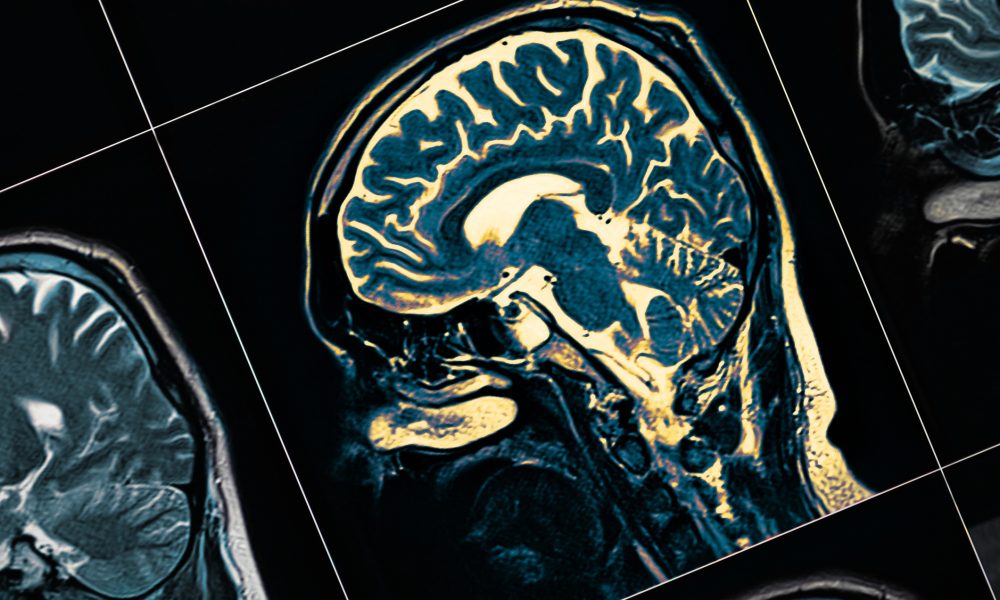
Described as a progressive neurological condition, Parkinson’s Disease directly affects the human nervous system. This disease is caused by the loss of nerve cells in a part of the brain, which becomes progressively damaged over time. Studies have shown that Parkinson’s disease occurs as a result of a combination of genetic and environmental factors.
Symptoms of Parkinson’s Disease
Although the symptoms of Parkinson Disease may differ from one patient to the next, there are a few common signs that you should watch out for. There are 3 main symptoms of Parkinson’s:
- Slow movement
- Tremors or involuntary shaking of parts of the body
- Rigidity or stiff and inflexible muscles
Other symptoms of this disease which include physical and emotional changes that might be experienced by someone with Parkinson’s disease include:
- Changes in sleep pattern or insomnia
- Anxiety, depression and low mood
- Memory and cognitive problems
- Balance and posture problems that can lead to falls
- Loss of taste and smell
Treatment and support for patients with Parkinson’s Disease
Parkinson’s disease can’t be cured, but medications, surgical treatment, and other therapies can help control the symptoms and maintain a person’s quality of life.
Medication
Medication can be used to improve the main symptoms of Parkinson’s disease, such as shaking (tremors) and movement problems. The three main types of medications that are commonly used are levodopa, dopamine agonists and monoamine oxidase-B inhibitors. A healthcare professional will discuss the medication options and associated risks with the patient, and determine the most appropriate medication for them. As the disease advances and the patient’s requirements change, regular evaluations will be necessary.
Levodopa
Levodopa is a medicine that is typically required by individuals with Parkinson’s disease as their condition progresses. This medication can help to increase the level of dopamine in the brain by replacing the missing dopamine, which can help improve daily functioning. Levodopa helps control symptoms as well as helping the patient to carry out daily activities such as dressing, walking, and handling utensils.
In addition to levodopa, there are other medications that can help manage Parkinson’s disease symptoms:
Dopamine agonists act as a substitute for dopamine and can be taken less frequently than levodopa, but they can cause side effects and compulsive behaviours, especially if taken at high doses.
- Monoamine oxidase-B inhibitors and Catechol-O-methyltransferase inhibitors are other alternatives to levodopa, but their effects are smaller.
- Non-oral therapies, such as apomorphine and Co-careldopa, may be used when Parkinson’s symptoms are difficult to control with tablets.
Therapy
There are three main types of therapy for a patient living with Parkinson’s disease:
Physiotherapy
A physiotherapist can be a valuable part of the support network for people with Parkinson’s and their caregivers. They can teach patients techniques to make daily movements easier, provide strength and balance training to reduce the risk of falling, and offer breathing exercises to strengthen chest muscles and improve communication.
Speech and language therapy
A speech and language therapist can help people with Parkinson’s disease who have difficulty communicating, including problems with speech, language, and swallowing. They can offer exercises and strategies to help with speech clarity, as well as improve swallowing function to prevent choking or aspiration pneumonia. The therapist can also work with the patient’s family and caregivers to provide education and support to help them better communicate with the person living with Parkinson’s.
Occupational therapy
An occupational therapist can help people living with Parkinson’s disease to maintain their ability to perform daily tasks and activities. They can offer advice on different ways to do tasks, provide recommendations for practical changes in the home, and develop strategies for coping with tasks that may become more problematic.
Surgery
A person with Parkinson’s disease may be offered deep brain stimulation (DBS) if drug treatments become less effective at easing their symptoms. DBS is not a cure and does not stop the disease from progressing, but can provide better control of motor symptoms. However, there are risks associated with the surgery, and it is important to discuss them with a specialist.
How Cavendish Homecare can help
Living with Parkinson’s disease can be emotionally, socially, and physically demanding. In advanced stages, symptoms become more severe, and the individual diagnosed with Parkinson’s will require varying levels of assistance with daily living. Clients requiring Parkinson’s care at home means we offer the care and support needed for individuals to remain in their own homes, and maintain their independence and quality of life for as long as possible. Get in touch with us today for more information on how we can assist.