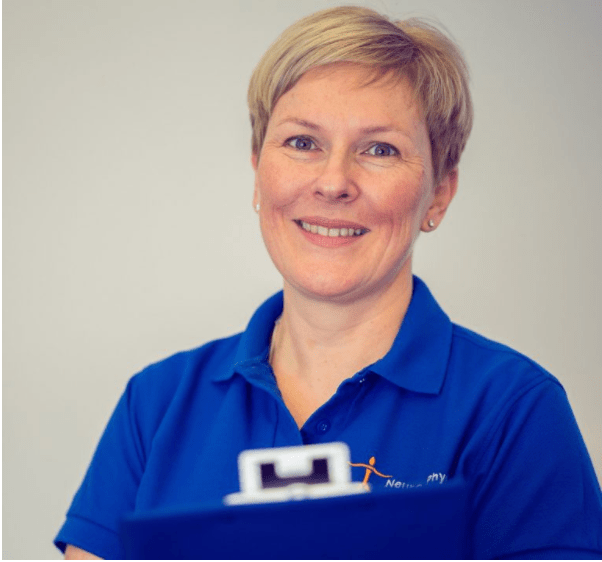
Well-known across South Wales for providing an essential rehabilitation service to patients with brain injuries and neurological conditions, Neuro Physio Wales took decisive action to protect them during the COVID-19 pandemic. Sara Davis, neurophysiotherapist and director of the Bridgend clinic, explains more.
Back in March, as it became clear that lockdown was coming, we knew we had to make a decision as to how we would handle the weeks and months ahead.
As a very busy centre, we had a full clinic and many patients were waiting for appointments due to the demand we were seeing – but what had to come first was ensuring their safety.
We have a great mix of clients who come here, but some are very vulnerable with complex needs, and the risk to them was especially great.
It wasn’t at that time clear exactly what lay ahead, but in the week before lockdown was imposed, we took the decision to close the clinic.
I didn’t feel I knew enough about COVID-19 and how to protect our clients – and if I couldn’t ensure their safety in coming here, I would rather they did not come. So we closed our doors completely.
It’s a decision I am pleased we made and I believe it was the right one, based on the needs and safety of the people we help, rather than the needs of the business.
We quickly established a virtual link with the vast majority of our clients using video technology, so we were still able to provide some form of physiotherapy and to give people access to exercise which is so important in boosting their mood and helping manage fatigue.
Crucially, it also allowed us to help them with structure in their day. Remotely, we were able to check they’d had their breakfast, made their lunch, and we would also see people daily for shorter sessions, instead of their usual weekly appointment in the clinic.
Through the use of video, we were able to continue our physiotherapy programmes to a very good degree.
If some clients weren’t able to move a part of their body on their own, for example, we could give instructions to the support workers or family members who were alongside them to assist.
We work with a number of young people who have brain injuries, and some of them really took to the video sessions and got a lot from it.
We were able to really push them and they responded brilliantly.
We did have challenges to overcome with some older clients, who weren’t as confident in using technology, but we always ensured we kept that vital link going with them as we were aware that some days we could be the only contact they had.
After three months of being closed, we decided we could re-open in June.
By that time, I felt I understood what we could do to ensure the safety of our clients, and we could do so with confidence.
A lot of work went into ensuring this – we have had to completely redesign the layout of our clinic.
Whereas previously it was very welcoming and quite homely, now it looks a lot more clinical.
We keep our equipment upstairs where it’s cleaned, we bring it down for sessions with our clients, then take it back upstairs afterwards so it can be cleaned for the next appointment.
Prior to COVID, there was a great social side here, we would try and have two or three clients in at a time and it was very sociable, but now we can only have one here at any one time.
These changes could have been a challenge in themselves for our clients, but everyone has adapted really quickly.
Having reopened to a full clinic in June, we are still as busy even now.
We have just taken on another physiotherapist and have been able to return to some kind of normality and routine as a centre. Our home visits continue, despite the local lockdown we are experiencing at present in South Wales, although we have to be sure to remember our badges in case we are stopped and quizzed about where we are going!
While COVID posed a huge challenge at first, I remain very pleased we responded in the way we did.
Our clients were kept safe and they have now returned to us, some of whom made great progress during lockdown through our virtual communication. It’s great to be back and we look forward to the future.”