



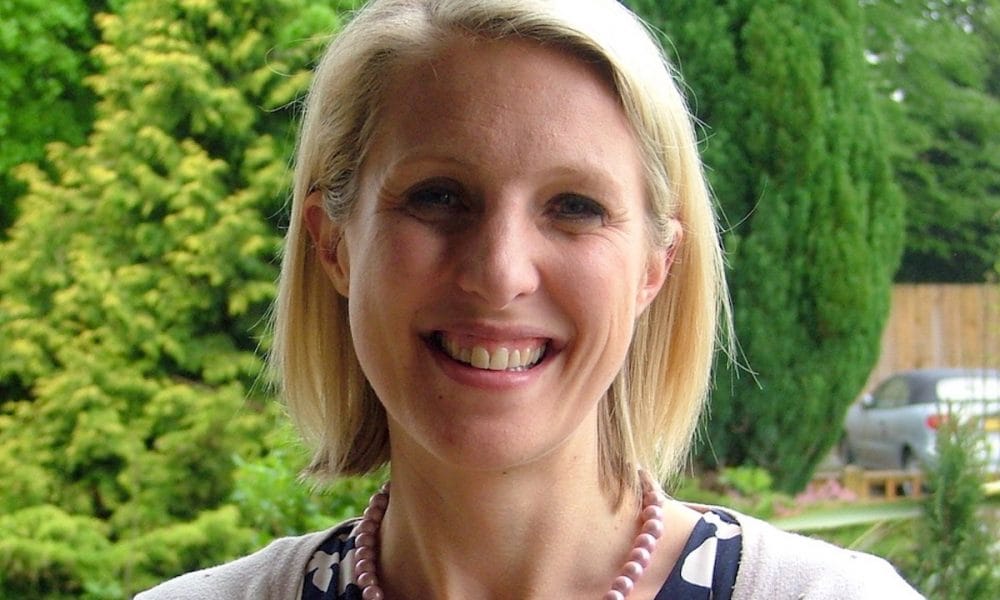
Case management has faced enormous challenges during the pandemic, which have necessitated big changes from within the profession. Here, in the latest in our Q&A series with case managers from across the country, Jenny Webster from Westcountry Case Management shares her experiences.
Can you summarise how the past few months have been for you.
The last few months have been interesting to say the least! We have had to remain up to date with all the changes in government advice, whilst supporting our clients and support workers who are all managing their own lives within the context of the pandemic.
How did you adapt to the restrictions of lockdown? Were you able to do this quickly or did it take a bit of time?
Well, I am used to working from home but not when everyone else is, so that has been slightly different! Westcountry have been really responsive throughout the pandemic and as Case Managers we have been offered so much support and guidance from the management team. It is surprising how quickly you adapt to the situation! We have had to be so much more mindful about face to face visits, considering risk of not carrying them out, and this has meant that us, our clients and teams have had to be resourceful.
What have been the main challenges – were you able to overcome them?
One of the main challenges initially was reassuring our clients as they became, as many of us did, very consumed by the media and the scare stories, particularly on social media. We had to be creative around getting them engaged in activity and not becoming isolated, and then more recently the focus has been on trying to re-introduce activities in the community.
Changing government guidance, particularly around the use of PPE, has been difficult some of our staff teams to get to grips with, it made no sense to them that as restrictions were easing that we were then tightening up on wearing PPE, but we had to be responsive to the changes in Public Health England Guidance. I think it has been essential to remember that everyone you come into contact with has their own challenges around the pandemic and at times emotions have been heightened and you have to dig deep to find that resilience.

Has the use of telerehab been of benefit to you?
Absolutely! Technology has afforded me many opportunities that previously I wouldn’t have had. For example, I have been able to attend a multidisciplinary meeting at the local hospital virtually with three orthopaedic consultants, surgeons and the physiotherapy team and “telehealth” has enabled this to happen. For one of my most complex clients, I have also been able to facilitate an MDT with 15 representatives from the litigation teams, care teams, rehab teams and her children’s school and everyone has been able to attend because it has been so convenient!
Additionally, I have cut down my travel as more meetings are taking place online rather than face to face. There is a balance to be had though because face to face interactions are much more personal and often when undertaking supervisions with my team members it would be a lot more fluid to meet in that way, but we have managed.
How have your clients responded? Was it difficult for them to adapt to?
Generally, my clients have really struggled with telerehab and find it fatiguing. Particularly with telerehab appointments we have had with other health professionals, they have declined or cancelled at the last minute for something they normally would attend. As a case manager you glean an awful lot from going into someone’s environment and observing their body language and so where possible I have maintained face to face appointments. This has been particularly essential where there have been significant mental health issues or safeguarding concerns.
On a positive note, though, I did undertake an Immediate Needs Assessment, access visit and discharge meeting virtually in the height of the pandemic and the discharge was successful and the client has an established care and rehab team around her now.
Living in the Westcountry as well means we often have poor connection so that can cause conversations to be stilted!
Do you feel the lack of face-to-face contact with clients or/and colleagues has been damaging?
I have maintained face to face contact with my clients throughout the pandemic, but I know that some of my team have found it difficult with reduced visits and although initially I had prioritised visiting clients who were unsupported, I gradually reintroduced visiting all clients as the support workers get so much reassurance and support from this.
How central do you think the use of telerehab will be for you going forward?
I think it will be really helpful for those meetings where many people are travelling from different areas. It will also support access to Continuing Professional Development opportunities as suddenly more courses and lectures are online!
How do you think the future of case management has been shaped by the pandemic?
We are certainly going to have to be incredibly mindful moving forward about ensuring that our clinical reasoning for doing a face to face visit, and incurring travel costs, is essential and I think a lot more justification will be required. I think that it has encouraged us to ‘think outside the box’ and the client’s rehab journey will be more robust as we are able to liaise so much more virtually as a team.
Will you be doing anything differently within your business going forward compared to pre- pandemic?
I will continue to monitor the different online platforms to ensure that I am using the safest and most effective one.


