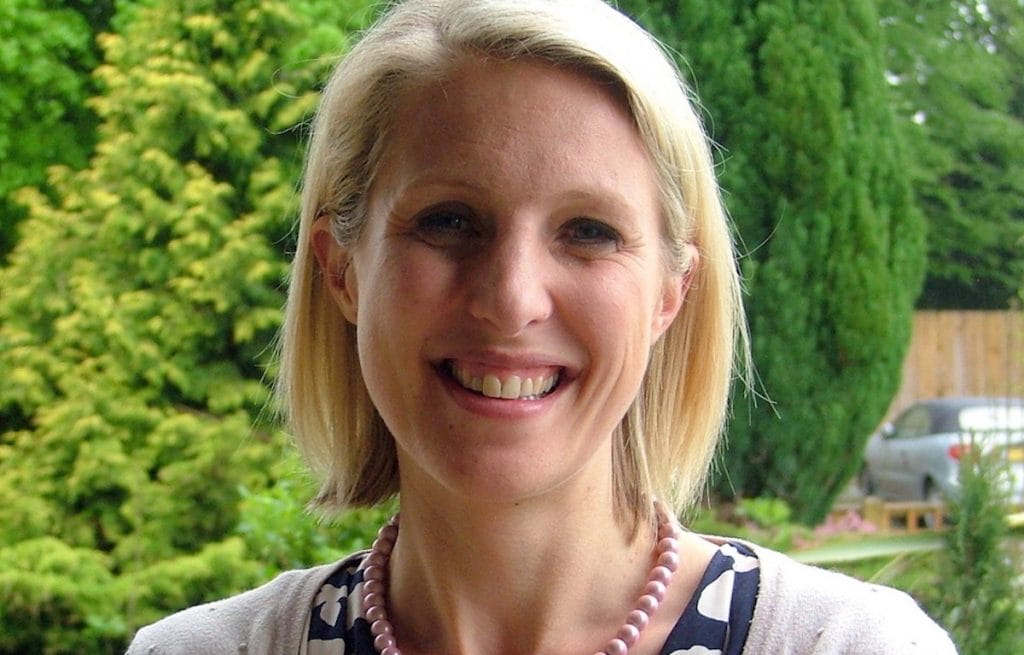
‘I’d never imagined using Zoom as part of my physio placement’

Every aspect of neurophysiotherapy has had to adapt with the onset of COVID-19, including how students prepare for a career in the profession. Here, student Tabitha Pridham discusses her experience of a pandemic placement.
Prior to the COVID-19 pandemic, the concept of physiotherapists routinely holding sessions with clients remotely was quite unlikely.
While used to some degree in a small number of practices nationally, telerehab, as it has now become widely known, was not on the agenda of many.
But due to its seismic rise during the past few months, with physios realising the potential of digital and virtual means to see clients when meeting in person isn’t possible, it seems telerehab is here to stay.
While it was never part of the studies of aspiring physiotherapists, they are now having to adapt to something that will most likely be part of their future careers.
 “The very nature of physiotherapy is that it is hands on, so it seemed really strange to me at first that we would be using Zoom to do online physiotherapy,” says Tabitha Pridham, a third year student at Keele University.
“But I have seen how useful it can be, particularly for those patients who are very advanced in their recovery and maybe can take part in a few classes a week remotely. I think it can be valuable in addition to face to face treatment.
“I do believe it will carry on into the future, particularly in private practice, so have accepted that telerehab will be something I will be using in the longer term.”
For Tabitha, currently on a placement with neurological physio specialist PhysioFunction, telerehab is not the only big change from her expectations pre-pandemic.
“The use of PPE is something I have had to adapt to,” she admits.
“Every time you see a patient in person, you have to change gloves and thoroughly wash down equipment, to be compliant with the very high hygiene standards.
“This can be time consuming, and when you have back to back appointments I’ve found it can be quite stressful to ensure you’re doing everything you need to do in addition to your work with patients, but that’s something I’m learning as I go.
“Wearing a mask and visor isn’t always ideal for communication, but that’s something else I am finding gets better with time and use. Although it can be quite a juggle when you’re trying to treat a patient with one hand, and trying to stop your visor falling off with the other!”
Tabitha is based in the clinic four days a week, but has to work from home one day a week due to the need for a regular COVID-19 test, to ensure the safety of clients and colleagues alike.
“I have my COVID test every Monday, so I carry out consultations by Zoom that day, and providing my test comes back negative, I see patients in person Tuesday to Friday,” she says.
“I find the mix of telerehab and practical experience is really useful, especially as we are going to be using Zoom and the likes in the long term.”
Having had a previous placement cut short in April due to the pandemic, Tabitha is grateful she is able to get such experience, which accounts for vital clinical hours training for her degree course.
“Some of my year group were taken off their placements and have had to do everything virtually, so I’m lucky that I have been able to continue in a clinic,” she says.
“I’m still getting the same training, as aside from the PPE and new rules around social distancing, clients get the treatment they always have done so the practical work is the same.”
Tabitha is set to graduate in summer 2021 and has the experience of her studies, supported by three years of placements, to help her build a career in physiotherapy.
“In some ways this has been a really weird time to be working in physio, but in others it has been a very good time. This kind of experience prepares you for anything and everything, and the use of telerehab has shown me what it will be like in the future,” she adds.