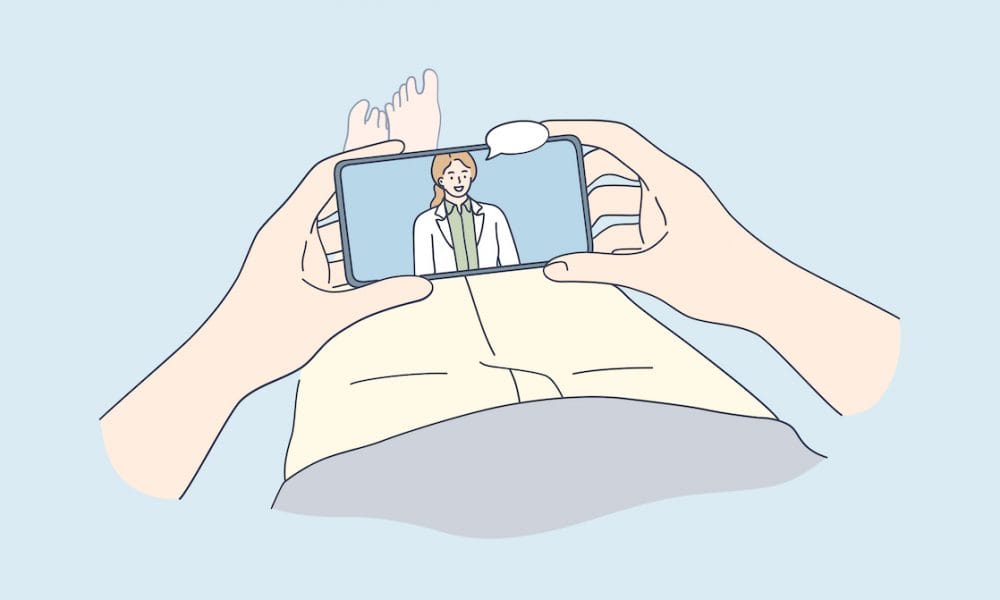
The adoption of telerehab during the pandemic has seen seismic changes in how many therapists engage with their clients. Here, neurophysiotherapist Leanna Luxton, co-founder of Remote Rehab, explains how embracing technology can yield lasting positive change
Nothing has challenged our thinking around the value and effectiveness of virtual rehabilitation as much as this worldwide pandemic.
Virtual therapy, whilst used very effectively for decades in many fields of recovery, hadn’t, until nine months ago, been widely adopted in neurorehabilitation and so very little insight and data has been collected about its appropriateness and effectiveness with patients recovering from a brain injury or a stroke.
Despite this, therapists around the world are embracing virtual therapy and using it extremely successfully with their clients and family members.
I am moved and inspired when I hear stories about how these pioneering people are using a combination of conversation, therapy, learning, tools, apps and peer to peer groups to support their patients.
Amongst other things, they are becoming experts in teaching patients and family members to use technology, pre-recording videos for patients, using shorter and more frequent sessions to avoid ‘Zoom fatigue’, blending video and telephone calls with face-to-face, texts and emails, and enabling supporters to become rehab assistants.
For these therapists, virtual therapy is an opportunity to be more creative and ingenious, conquer fears and deep dive into defining what it means to be a physiotherapist in the virtual world.
For others virtual therapy is seen as a challenging experience.
Having spent the last few months exploring with therapists how they feel about the virtual first approach we have discovered they tend to fall in to one of three camps:
- Around 30% of the therapists we spoke to want to go back to how things were, when “this is all over”. They are either uncomfortable or unconfident about using virtual tools and remain unconvinced that virtual therapy can be as effective as the traditional hands on approach
- Around 50% have accepted that virtual therapy, in some form or another, is here to stay, but want support to build up the know how, confidence and self belief to use it fully with their patients
- Around 20% have completely embraced the virtual world and are enjoying the stretch and challenge of working differently
Whilst these results aren’t surprising, they are a call to action. We are at a crossroads, we can either continue working the way we always have or join the 20% and become rehab pioneers by suspending beliefs like ‘virtual is not as good as face to face’ and opening our minds to the opportunities and potential that technology provides.
It’s also time to acknowledge that the success of virtual therapy has more to do with therapists’ approach and ability to assess their patients suitability for virtual therapy and develop a session around the patient goals, than it has to do with having the kit and equipment.
By creating Remote Rehab, our online community for hands-on therapists, we have been looking for ways to help therapists decide a patients suitability for telerehab.
Using the REMOTE acronym, we are developing an outcome measure to support therapists to ask themselves questions about:
- The level of Risk which is present or can be mitigated
- The level of Expertise of both the therapist and their patient
- The Mindset in relation to remote rehabilitation of the therapist and patient
- The Opportunity – what is possible within the environment and with available tech?
- What Type of remote rehabilitation can be offered?
- How can we measure Effectiveness? What goals and outcome measures can we use?
When viewed positively, this pandemic has been an invitation for us all to think differently about how we deliver physiotherapy for neurorehabilitation, overcome practical technology challenges, challenge long-held beliefs around face-to-face versus virtual sessions, and look at how virtual working practices can increase capacity, effectiveness and productivity.
We know anecdotally that virtual therapy works for neurorehabilitation; now we need to understand the factors that enable its success and identify when and how to use it effectively and explore how to integrate it into our everyday practice.
Once we have found ways to embed virtual therapy into our everyday practice, I know we will have a huge number of opportunities to promote self management as a result of working with our patients more collaboratively.
We need to be courageous and embrace the opportunities online discussion spaces and communities such as Remote Rehab provide us with the opportunity to share our experiences, fears, vulnerabilities and challenges and most of all ask and answer the difficult questions that will ensure we can work collaboratively to shape the future of neurorehabilitation and be virtually successful together.