Iconic songs are helping people living with dementia use their love of music to rediscover how to sing and dance.
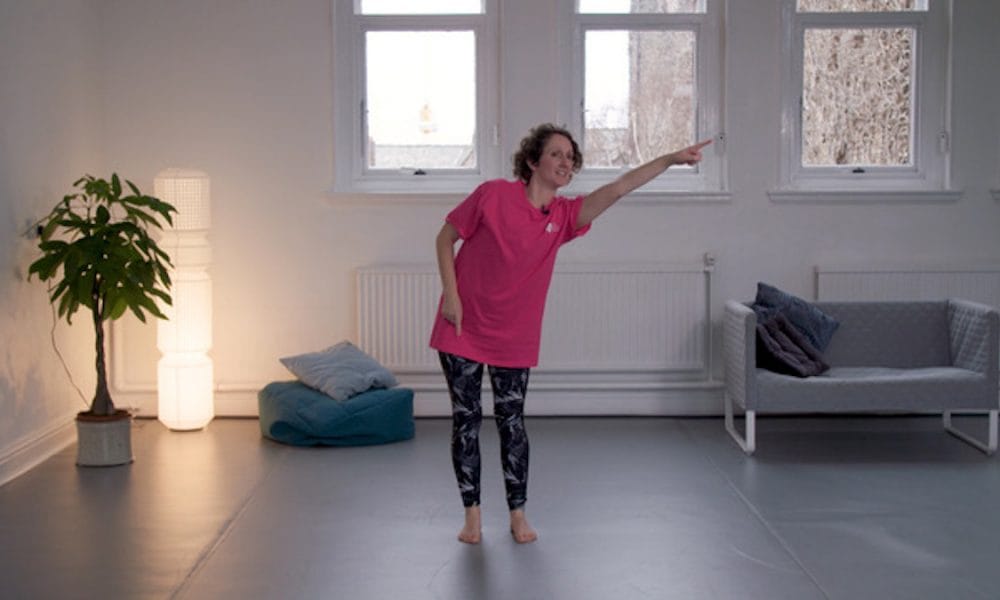
The Music Makes Us! project combines singing and dance lessons with speech and language therapy and physiotherapy, and has engaged hundreds of people with dementia to use their love of music to re-learn lost abilities.
As well as seeing participants who couldn’t talk begin to sing to The Farm’s ‘All Together Now’, others with severe mobility problems began to dance to The Beatles.
Music is known to activate different pathways to speech in the brain, and not only stimulates endorphins but can transport people living with dementia to happy moments in their pasts.
And now, Music Makes Us! – which is run by The Brain Charity, and has been used to date in care homes in its native Liverpool – is being rolled out as a free 12-week online video programme, which can be used by individuals and groups anywhere in the UK or indeed the wider world.

“We understand the past year has been especially tough for people living with dementia, and we also know music can play a vital role in their daily care – it stirs memories and reduces agitation,” says Kym Ward, dementia project coordinator at The Brain Charity.
“That’s why we are delighted to be releasing this free, innovative music-based therapy series for people from anywhere in the world to take part in.
 “Pre-COVID-19, our care home workshops were incredibly beneficial to hundreds of people across Merseyside living with dementia.
“It was truly remarkable to see first-hand how participants who had previously been non-verbal began to sing along, and those with severe dementia who struggled to engage with the world enjoyed moments of joyful connection with others through dance.
“So we hope these videos will give easy access to this fantastic resource for households, care homes and people living with dementia across the UK and beyond.”
The Brain Charity’s programme is made up of five Music Makes Us! Move workshops, and seven Music Makes Us! Sing classes – all set to familiar classic tunes by artists including Elvis Presley.
Combining dance and physiotherapy is proven to minimise the risk of trips and falls and help people living with dementia retain independence by increasing their mobility and maintaining balance and flexibility.
Blending singing and speech and language therapy also strengthens mouth muscles, improving communication and reducing swallowing and breathing difficulties.
Before COVID-19, these sessions were running in care homes and community settings across Merseyside and had already helped nearly 250 people.
Now, it is hoped the fact the workshops are digital means that level of engagement can be significantly increased.
Anyone who signs up will receive one email per week containing a specialist exercise video and guidance on how to join in safely.
Participants will also be able to consult with The Brain Charity’s speech and language therapist and physiotherapist about any specific issues faced.
There is another version of the programme for people who may benefit from its effects, but do not identify as living with dementia or have an official diagnosis.
The courses have also already been proven to reduce anxiety and improve wellbeing for both participants and their carers and relatives, against a backdrop of reduced dementia support due to COVID-19 – something which has had a huge impact on mental and physical health.
“During the lockdowns, The Brain Charity assisted with research studies which revealed being unable to access support service due to COVID-19 worsened quality of life for those affected by dementia in the UK,” adds Kym.
“So it is vital now more than ever that as many people as possible know about this free support – we have already seen its incredible benefits first hand.
“We hope this resource will be useful for loved ones at home, for residents in care homes and, when it’s safe again, for participants in community settings.”
To sign up, visit www.thebraincharity.org.uk/dementia