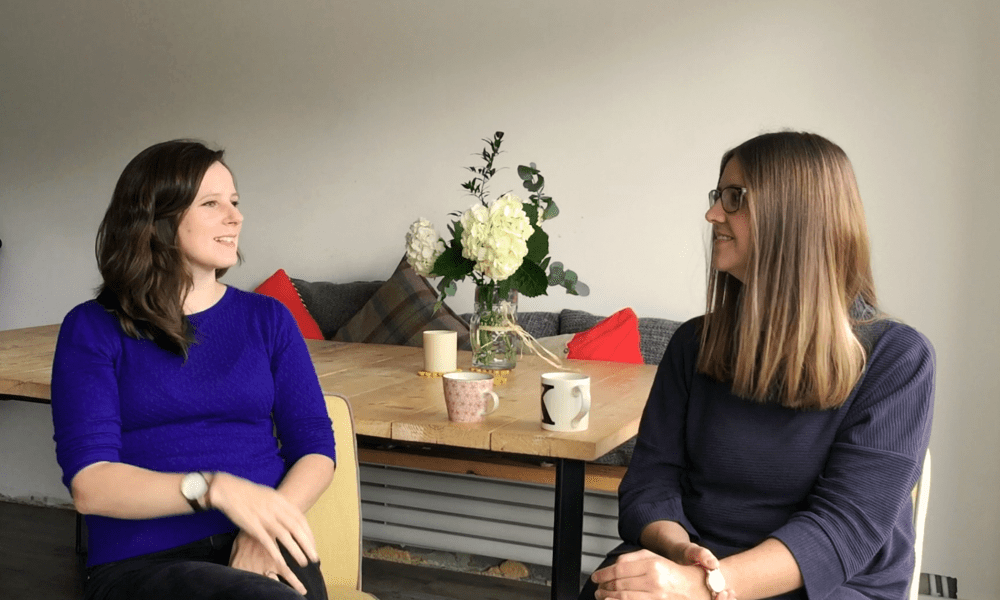
Two neuropsychologists have joined forces to create an education programme for brain injury survivors, their loved ones and medical professionals alike, to help them better understand how to move forward with life after such traumatic events.
The Brain Place has been created by Dr Kim Fletcher and Dr Amanda Mobley, who are building on the therapy they deliver through their NHS roles with the hope of offering group-based sessions geared around the needs of the participants.
The venture, established in 2018, aims to work with professionals, survivors and families. A number of successful seminar sessions for professionals were held before the pandemic and further sessions are planned for after lockdown restrictions are lifted, with a range of innovative survivor workshops set to launch in the autumn.
With over 20 years’ combined clinical experience working with people after brain injury and with rehabilitation teams, Kim and Amanda are committed to delivering an open and engaging forum for discussion of a range of topics, from sexual experiences after brain injury to sleep problems and memory loss.

The small group approach is a central component in what The Brain Place does, which Kim and Amanda believe fills a gap in existing neuropsychology provision.
“Our workshops are not just about delivering information, We are using the group context to bring people together in every sense. We want to deliver what is important to the participants in the workshop and we’ll go on a collaborative journey through that,” says Amanda.
“We aim to create a holistic feel, and the whole environment is multi-sensory and we use interactive activities which engage the senses.
“The activities are chosen to help facilitate the information being delivered making it an experience, something tactile and practical. We hope that this makes the information easier to consolidate and share with family members and colleagues.
“From the choice of venue – we may use an art gallery, theatre or outdoor venue – to the choice of activity which the workshop is focused around, we want to show there are many different ways of having a conversation.”
And that conversation is critical, particularly around some of the more ‘taboo’ topics which may not be readily discussed
“Through exploring topics like sex after brain injury, we can connect people with shared experiences,” says Kim.
“There is information out there on these topics, but it’s not always brought up as part of the rehab journey. It’s so important that we give people the space to express their feelings on these subjects and to remove this ‘taboo’.
“We have an eagerness to turn towards these topics in our workshops, and show that these are things we really need to talk about.”
The choice of venue is also an important component of The Brain Place’s workshops, to help participants connect with each other and their community.
“The whole context of what we aim to do relies on us creating the right environment. By using community spaces, people can feel engaged in where they live and grow their confidence in being part of this community and using these venues,” says Kim.
“For example we have been working to develop links with a local theatre venue, where the participants would be able to go onto the stage and explore the set-up in a safe and comfortable way. And as well as what they take from our workshop, they can find out how to book tickets at the theatre, they can see the disabled seats, look in the cafe – it can give them the courage to go there themselves, if they haven’t done so previously.
“Our whole ethos is that we want to find venues which are caring and secure, which will then set the context for open and honest workshops.”
While the vast majority of businesses which held workshops transferred them online with the onset of the pandemic, The Brain Place took a different approach and chose to pause their plans
“We set up The Brain Place to create that multi-sensory and community experience around what are usually very complex topics, so it’s a real challenge to take that online,” says Amanda.
“We do appreciate that online sessions can bring people together, which can work well for some of what we do and we may try this for our professional training sessions, but we love our face to face interactions and we would like that to be the staple of our workshops going forward.”