ILS Case Management – working in partnership with clients and their support network

In the latest of our case management focus features, we meet ILS Case Management and learn more about its growth and development over a quarter of a century and how it continues to innovate to deliver the very best service to clients
Why was ILS Case Management established and what was the ambition at the outset?
ILS Case Management was established, over 25 years ago, by two occupational therapists to provide both case management and expert witness services for catastrophically injured adults and children. However, they quickly recognised the potential conflict of interest in providing both services and decided to focus solely on high quality case management services.
The ambition from the outset was to develop a team of highly experienced therapists, who had existing expertise in brain and spinal cord injury and to provide bespoke, person-centred case management. The clients have always been at the heart of our business and our case managers work closely with each individual to support them in achieving their unique goals.
How has ILS Case Management developed over time?
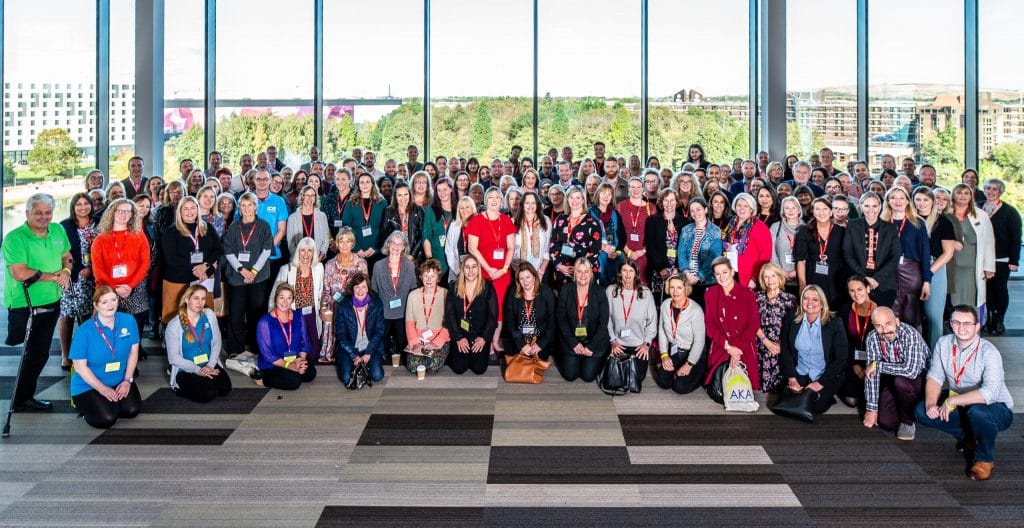
We now have a team of over 50 case managers providing tailored support to over 200 clients nationwide and manage more than 375 support workers. Each of our case managers are experienced health and social care professionals, who bring with them an amazing wealth of knowledge, experience and expertise.
Recognising the importance of peer review and clinical standards we now have a unique team of professional mentors who support our case managers with their clinical reasoning and reflective practice. They all have extensive experience as case managers, but no longer hold a case load of their own. Working closely with the case managers, they are able to provide continuity of case management for our clients when their case manager is on leave. This continuity is crucial for our clients, and their legal teams, due to the complex nature of the work that we do and has been invaluable during the pandemic.
As a business we also contribute to the standards and development of case management in the UK by having clinical staff on the boards of both BABICM and CMSUK.
In addition, ILS case managers are supported by a dedicated integrated team of client HR and payroll professionals. The client HR team provides support to the case managers with recruitment and management of support workers, while the client payroll team ensure client payrolls are effectively managed including calculating support worker sick pay and annual leave allowance together with pensions administration.

How did you adapt to the many challenges presented by COVID-19?
We were quick to react to government advice, taking the information given to inform our practice and safeguard our staff and clients. We used our clinical experience and well-developed risk assessment skills to provide COVID safe client visits where necessary whilst making the most of virtual platforms to deliver our service.
Understandably, working with a vulnerable client group, our approach was cautious; when visits were essential we made them as safe as we could through the use of PPE and lateral flow testing, as well as taking measures to maximise ventilation at the location. Person-centred practice remained at the centre of our work. Clients and those close to them were an intrinsic part of our risk assessment ensuring they were all consulted and supported throughout the restrictions.
Recognising each client and their circumstances are unique, we were able to adapt our practice to ensure we could continue to meet their needs. We were pleasantly surprised with the ease in which practice could adapt to a virtual environment. Some clients relished the opportunity to embrace new ways of communicating, while, understandably, others preferred a face-to-face (or mask to mask!) visit.
We will certainly continue to a make the most of the technology that we have become adept at using. We see the huge benefits in online professional and multi-disciplinary team meetings. By reducing the travel and associated costs, shorter meetings can be held more often which in turn has facilitated better communication and has resulted in improved cohesion and better outcomes for our clients.
What are your priorities going forward?
Our priorities remain the same; we are committed to providing excellent person-centred case management and how we deliver that has adapted to the environment that we find ourselves in. We continue to enable our clients to meet with case managers before they commit to engaging and to help facilitate this, we have adapted our online CVs to include a short introductory video presented by the case manager, which provides an insight into their experience and character as individuals.
We will continue to use MS Teams, Zoom, WhatsApp and FaceTime to deliver virtual meet and greet sessions. These have been widely applauded, taking the pressure off the client to make their environment ‘visitor ready’ for each occasion. We have reverted to face-to-face INA’s wherever practicable, while an assessment can take place virtually, this stage, for us, is the beginning of the formation of the essential client/case manager rapport that will carry through the rest of their working relationship.
For the assessment, we feel the immersive experience of a client’s environment leads to a richer understanding of their needs, views, and aspirations.
What does the long-term future look like for ILS Case Management?
Our mission remains true to the principles of the founders: to provide person-centred case management for children, young people and adults who have experienced catastrophic injury. We will work in partnership with them, their families, their support network, and our referrers to achieve outstanding client focussed outcomes. And, as our team continues to grow, we will be able to provide our unique, comprehensive service to more of the people who need us.
Our vision is to promote positive change to support everyone who has experienced a catastrophic injury. We will provide person-centred case management recognising that families are key players; contribute to the brain injury professional knowledge and research base; and actively promote inclusion and diversity.