



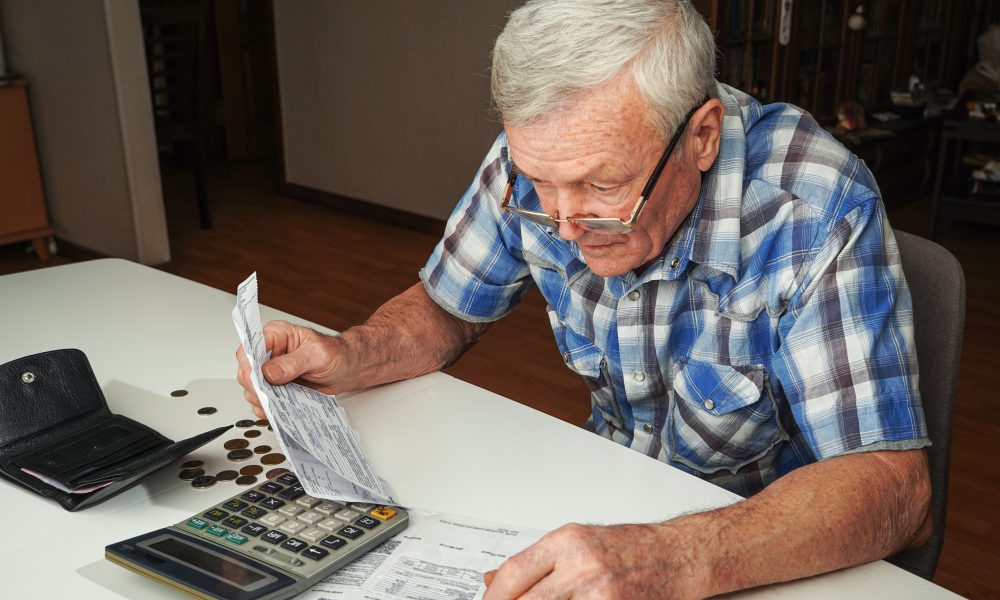
The cost of living crisis will add further strain to an already imperilled sector this autumn, neuro-rehab experts have warned, amid concerns disabled people are forced to cut back on basic essentials.
As the cost of food, energy, and fuel skyrockets in the UK, supporting people with neurological conditions is becoming a challenging task.
The Royal College of Physicians (RCP) is reiterating calls for the government to do more to tackle health inequalities after new findings revealed that disabled households are twice as likely to be struggling with the cost of living crisis.
The latest research conducted by disability equality charity Scope found that up to 45 per cent of disabled people are not planning to use heating, even when it gets cold.
“People affected by neurological conditions run the risk of being the hardest hit by the cost of living,” says Georgina Carr, chief executive of the Neurological Alliance.
“If they are not able to control their heating and environment, they are likely to experience an increase in their symptoms, facing some very difficult decisions.
“Not only are they liable to experience some of those extra costs, but they are more likely to be in precarious work or even unemployement.”
Benefits such as the Employment and Support Allowance (ESA) or Personal Independence Payment (PIP) are not being updated in line with inflation, says Carr.
“People are experiencing a cut in what they’re taking home right when they need it most and we don’t see any kind of package of measures to prevent that.”
More than 80 organisations working with the Neurological Alliance have expressed concerned over the damaging effects of the cost of living crisis.
“We’re hearing evidence of people starting to skip prescriptions or not attend health appointments because they can’t afford petrol and in some cases, their partner or carer has to take on additional work.”
For the people recovering at home, the situation is likely to become more isolating, neuro-rehab professionals predict, while those living in a rehab centres might find the costs unsustainable.
“Remote consultations will also be affected,” says Carr. “If people have to choose between heating or eating, I can imagine the internet being one of the first things they might cut back on.”
Kate Kelly, who works as a consultant occupational therapist at the University College London Hospitals NHS Foundation Trust, thinks that video consultations will be a real challenge.
“Healthcare has gone quite digital during the pandemic, but a lot of patients will now struggle to pay their internet bills and therefore, attend consultations,” Kelly explains.
“Access to either nursing or therapy in a community is patchy across the whole sector. It’s a postcode lottery to see what services are available. If you look at the NHS staffing crisis, it becomes clear that the neuro-rehab sector will have to suffer.”
The Royal College of Nursing (RCN) Foundation has seen a significant jump in demand for hardship grants, as a result of the pressure of the cost of living on thousands of NHS nurses.
“Quite a significant percentage of the people that we support are in work and yet, they’re still not able to make ends meet,” says Deepa Korea, director of the RCN Foundation.
“What’s driving them and what’s causing the financial hardship is the cost of living and the need for support with general living costs. But in a country that is as relatively wealthy as the UK, nobody should be in a position where they need to access food banks.
“You’ve got the staff who are facing quite challenging times, on one side and on the other, you’ve got the patients who are likely to suffer similar issues.”
Luke Griggs, interim chief executive of the the brain injury association Headway UK, says it is vital that those in need are prioritised.
“It is simply shocking and unacceptable that vulnerable people are facing the impossible choice between heating or eating. Medical expenses, home adaptations or essential equipment are common additional costs for brain injury survivors.
“The government announcement focuses on an average energy bill, but what about further support for those with additional heating or energy needs due to their disability?,” asks Griggs.
“We need greater clarity on the detail of the energy price guarantee and we need targeted support for vulnerable groups and the charities supporting them.”
Aliyyah-Begum Nasser, director at the rehabilitation centre, Askham Village Community, agrees. “We know that the funding streams are not keeping pace with the cost of living, which means that people will have to make sacrifices and basic things will have to be scrimped and saved upon.
“Everyone is going to be experiencing a huge squeeze, but it’ll be much more acutely felt by people who have specialist needs, because they require specialist equipment which they can’t afford not to have.
“The government needs to listen to these people and continue the work that’s been done so far.”
In May former chancellor, Rishi Sunak, unveiled his plans to provide targeted support to the most vulnerable in society, including pensioners and disabled people. But Liz Truss’ cabinet reshuffle last week has put everything on hold.
Currently, there is very little political leadership around support and research for people affected by neurological conditions, says Carr, the Neurological Alliance chief executive.
“We need urgent action to tackle the rising cost of living and I think the government would have to review the rate of benefits and try to manage some of the extra costs people are seeing.
“What we’d like to see is Liz Truss and the ministers in the cabinet listening to people affected by neurological conditions. Ensuring that we’ve got the right workforce in place and improving the quality of life will only be possible if the government listens to these people.”
Amid high demand for mental health support, there’s a sense of togetherness.
“Although lots of people are really frustrated about waiting for care and they feel concerned about how delays could affect the progression of their condition, we’re in this together,” says Carr.
“It’s not possibly much of a consolation,” says Nasser, who is passionate about working with neuro-rehab patients. “But whatever struggles you are experiencing, know that you are not alone.
“There are a lot of a lot of organisations out there who can support you. Those organisations are themselves feeling the pinch, but their desire and commitment to help is not going away.”


