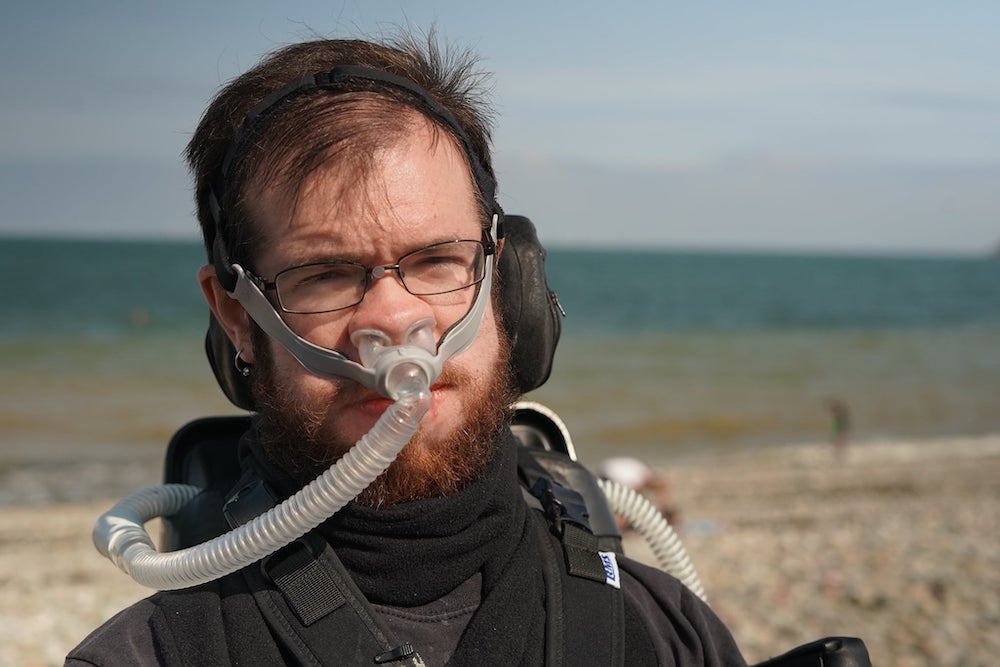
What is functional neurological disorder (FND) and how can physical therapy improve symptoms? The team at Neurokinex address the subject for NR Times
Functional Neurological Disorder (FND) is a condition different to the more commonly seen neurological disorders like spinal cord injury or stroke. Unlike these conditions, FND is where the problem lies with the functioning of the nervous system and how the brain and body send and/or receive signals, rather than any structural damage. Historically, this has led to the condition being relatively misunderstood and neglected by both clinicians and researchers.
A simpler way to think about FND is to look at it like a ‘software problem’ on a computer. The ‘hardware’ is not damaged but there is a problem with the ‘software’ causing the computer to stop working or not work properly.
What are the causes of this mysterious condition if there is no structural damage?
The exact causes of FND are unknown, however ongoing research is starting to uncover suggestions as to how and why it can develop.
The current understanding is that there can be biological, psychological and social factors that contribute to a person’s vulnerability in developing FND. Examples of these would be genetic factors affecting personality, panic attacks, perception that movement causes damage and specific life events/ difficulties. Some of these symptoms would normally settle down on their own but in FND, the symptoms become ‘stuck in a pattern’ in the nervous system. This ‘pattern’ is then reflected in altered brain functioning which the patient cannot control.
Signs and symptoms
FND patients can experience a wide range of symptoms that can present as physical, sensory and/or cognitive. These symptoms can vary from person to person and can fluctuate in severity, frequency and combinations. Below is a list of the most commonly seen symptoms:
Movement and motor symptoms
- Limb and muscle weakness
- Paralysis
- Gait difficulties
- Tremors
Sensory symptoms
- Hypersensitivity
- Fleeting sensations – feeling like skin is crawling or electric shock sensation
- Loss of sensation
Cognitive symptoms
- Memory loss
- Poor concentration
- Speech disturbances
Episodes of altered awareness
- Dissociative (non-epileptic) seizures, blackouts and fainting
Treatment
There are several different treatment options that have been seen to be effective for FND, especially physiotherapy for motor symptoms and a type of psychological therapy called cognitive behavioural therapy (CBT).
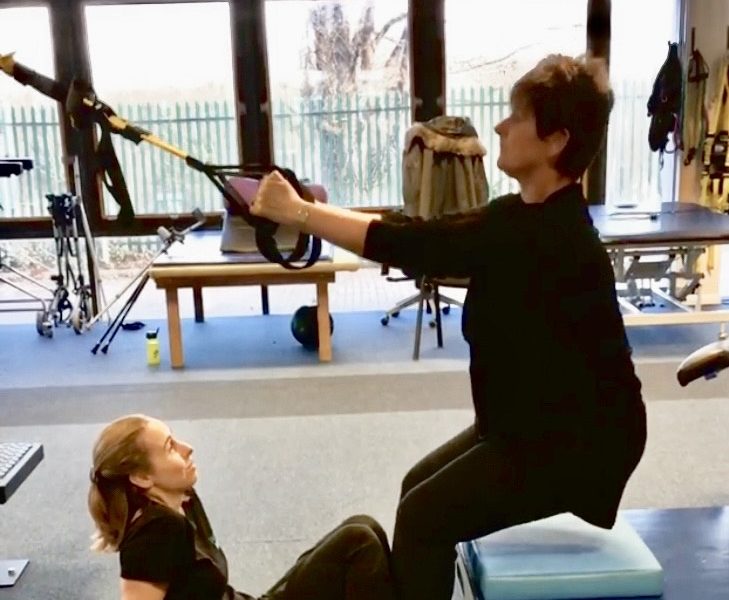
At Neurokinex we specialise in activity based rehabilitation, with the aim to ‘retrain the brain’, unlearn abnormal and dysfunctional movement patterns that may have developed and relearn normal movement patterns.
Physical therapy can look different from that used for SCI or stroke. For example, patients with a SCI or Stroke benefit from being asked to focus on the affected body part they are trying to activate and move, whereas in FND this can make things harder. In treating FND, we are trying to promote ‘automatic movements’ and reduce the abnormal brain patterns that have been interfering with the movement.
Meet Vanessa
Vanessa was first diagnosed with FND in 2019 when she was 14 after battles with a spinal tumour, from the age of ten, which was successfully treated. She tried various different physical and mental treatment options after being diagnosed with FND before coming to us at Neurokinex in February 2022. Vanessa is able to walk with a frame and has full sensation but has reduced strength in her legs and ankles.
During her sessions with Darcey, she has been working towards improving- her walking pattern, trying to reduce the amount of support used when walking and increasing strength in the lower extremities.
“I came across Neurokinex through social media; I was looking through some accounts hoping for some inspiration or motivation from other people with FND. I felt as if all therapies I did were the same and not helpful for my condition.
“Something about this place was different and I decided to just give it a try. I’ve been attending sessions here for a few months and they’ve been amazing and it’s not only the physical exercises that are helpful, each and every member of the team is funny (sometimes), kind and supportive. I see a positive change in my strength and in my standing.
“I feel excited when I come to this place because it reminds me of everything that I am capable of doing. I can truly say that my confidence has increased immensely since being here. Neurokinex has taught me that it’s more than okay to struggle and that it’s just proof that you’re trying hard to better yourself. It’s a ‘no judgment, cheering you on when you manage to do three sit ups’ type of atmosphere.”
With the ongoing research and awareness of this condition, we hope it is more widely understood and accepted. This, in turn, will help people with FND feel acknowledged and that their condition is real.