NR Times explores the potential and accessibility of HSCT therapy for multiple sclerosis (MS) patients.
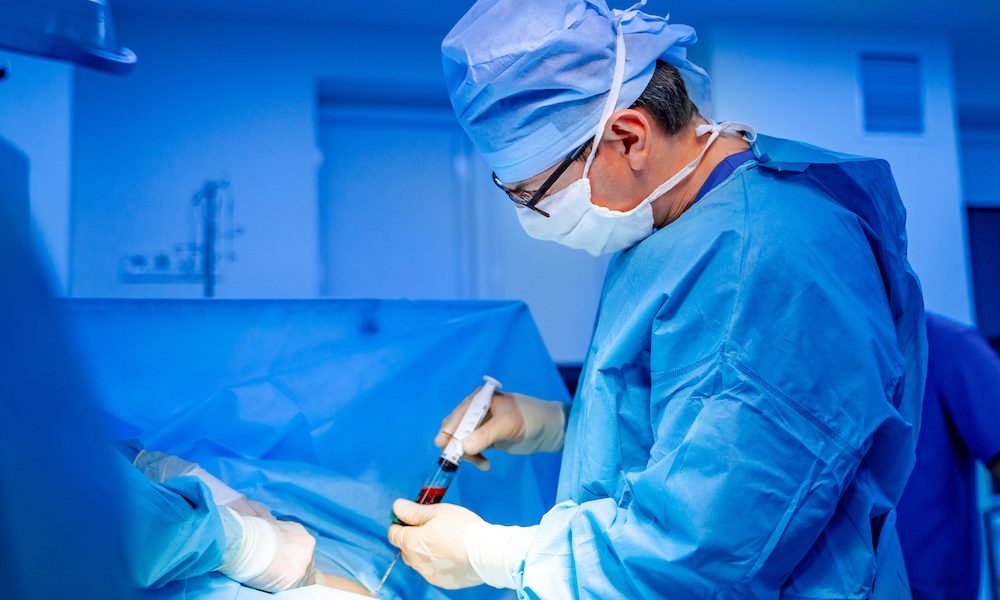
Haematopoietic stem cell transplantation (HSCT) is an intense chemotherapy for MS. Stem cells are special cells produced by the bone marrow that can turn into different types of blood cells.
The goal of HSCT is to reset the immune system and stop inflammation that contributes to MS. In a specific type, called aHSCT, the therapy uses stem cells from the patient’s own body instead of using donor’s.
This type of HSCT is considered the safest form and there is growing evidence of its positive impact on people with relapsing MS.
‘MS is relentless, painful and disabling’

Dr Sarah Rawlings, executive director of research and external affairs at the MS Society, says: “MS is relentless, painful and disabling. HSCT is an important development in MS treatment and some people see life changing results.
“It can help slow progression of symptoms and in some cases even improve them. However, results are varied and unfortunately HSCT doesn’t seem to be effective for everyone with MS.”
The therapy is available for trials participants through the NHS, but the eligibility criteria make it accessible only to patients with specific requirements.
“HSCT on the NHS is subject to strict eligibility criteria and can be difficult to access,” says Rawlings. “We continue to call for everyone who is eligible to receive the treatment on the NHS, if they want to.”
The NHS criteria refer to guidance from the European Society for Blood and Marrow Transplantation (EBMT) but the two do not match up completely as for NHS, HSCT should only be used if two other DMTs haven’t worked while the EBMT says one.
A spokesperson from the MS Trust says: “With demand for resources across the NHS increasing, HSCT for people with MS will remain in competition with other conditions such as blood cancers.
“This means there is currently limited capacity for this treatment across the UK, particularly in Scotland.”
‘There is a huge cost involved with having HSCT privately’

While access through the NHS is free, the cost of the treatment varies widely but can range between £30,000 and £85,000 in the UK. These costs can even reach US$300,000 in the US.
With an exorbitant price, some MS patients opt to receive the treatment abroad. “We understand why many who don’t qualify for or are unable to access HSCT on the NHS make the difficult decision to travel abroad,” says Rawlings. “There is a huge cost involved with having HSCT privately and choosing to have it outside the UK is a very personal and challenging decision to make.”
For MS patients who travel abroad to get the treatment, it’s important to check the safety record of any centre. HSCT is currently available privately in several countries including Mexico, Russia, Israel and India.
The spokesperson from the MS Trust says: “Several studies are being planned or are underway which will make the potential of HSCT clearer. The largest of these in the UK is Star-MS, which will compare the efficacy and safety of HSCT against two highly effective DMDs [Ocrevus and Lemtrada].
“The study aims to operate in 19 hospital sites across the UK. Studies such as this will help us understand who is most likely to benefit from HSCT and how it compares to other treatments, both in the short and in the long terms.”
The MS Society estimate there are 13,000 people with MS in the UK with nearly 7,000 people diagnosed each year. For these people, access to HSCT can make a difference on their lives and diseases like blood cancer.