The role of the third sector in community rehabilitation

Kate Thornton-Jones, trustee of Neurokinex, discusses the strain on resources for people living with spinal cord injury, the role of the third sector in delivering community rehabilitation and the vital role of pioneering Neurokinex in making a difference to people’s lives
Millions of people across the UK benefit from healthcare services provided by voluntary, community and social enterprises (VCSEs), in both the physical and mental health sectors. Social Enterprise UK has estimated that 30 per cent of community services are provided by VCSEs.
VCSEs often start out as grass-roots organisations which grow out of necessity. They are often run and used by people with lived experience in the area of care required, formed around a patient-centred approach. By necessity they tend to be lean, creative and resilient organisations. VCSEs not only benefit many of the most vulnerable citizens in their communities and significantly improve individuals’ quality of life, but also result in significant NHS and public sector savings.

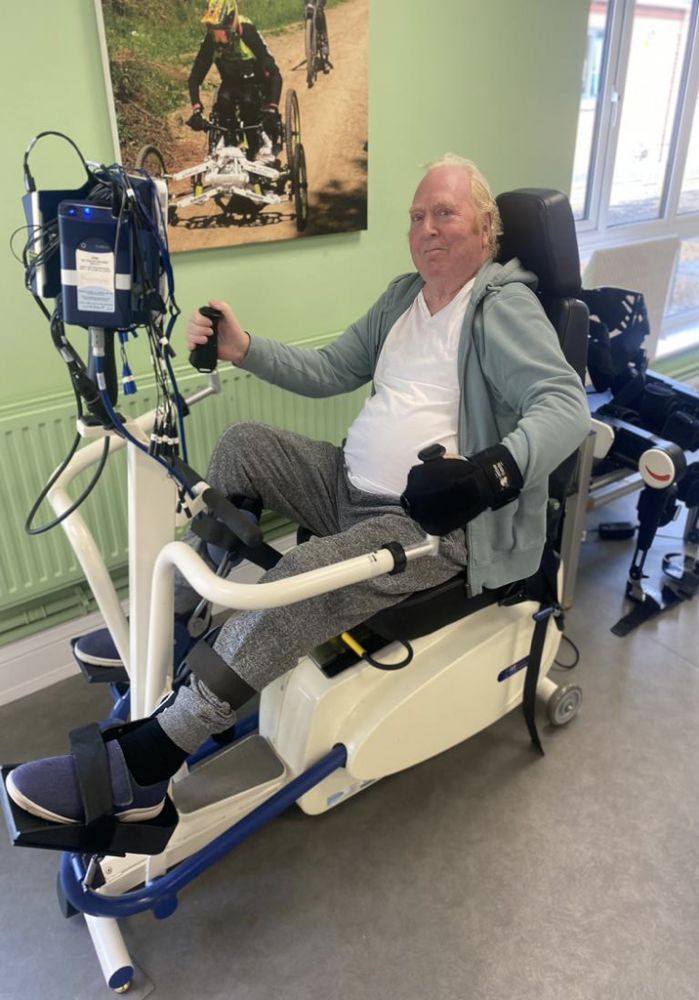
Neurokinex was created in 2012 as a social enterprise, borne out of the need for community-based, specialist rehabilitation for adults and children living with all forms of paralysis. This includes injuries and conditions such as spinal cord injury, brain injury, stroke, transverse myelitis, multiple sclerosis and cerebral palsy.
Founded and run by people with direct lived experience of paralysis, the organisation sought to fill the gap between the initial acute care at the spinal injury centres and returning to home communities, by providing cutting-edge, science-led intensive community rehabilitation. Currently there are three centres in the South of England and plans are underway to launch a centre in the North of England.
Strain on services
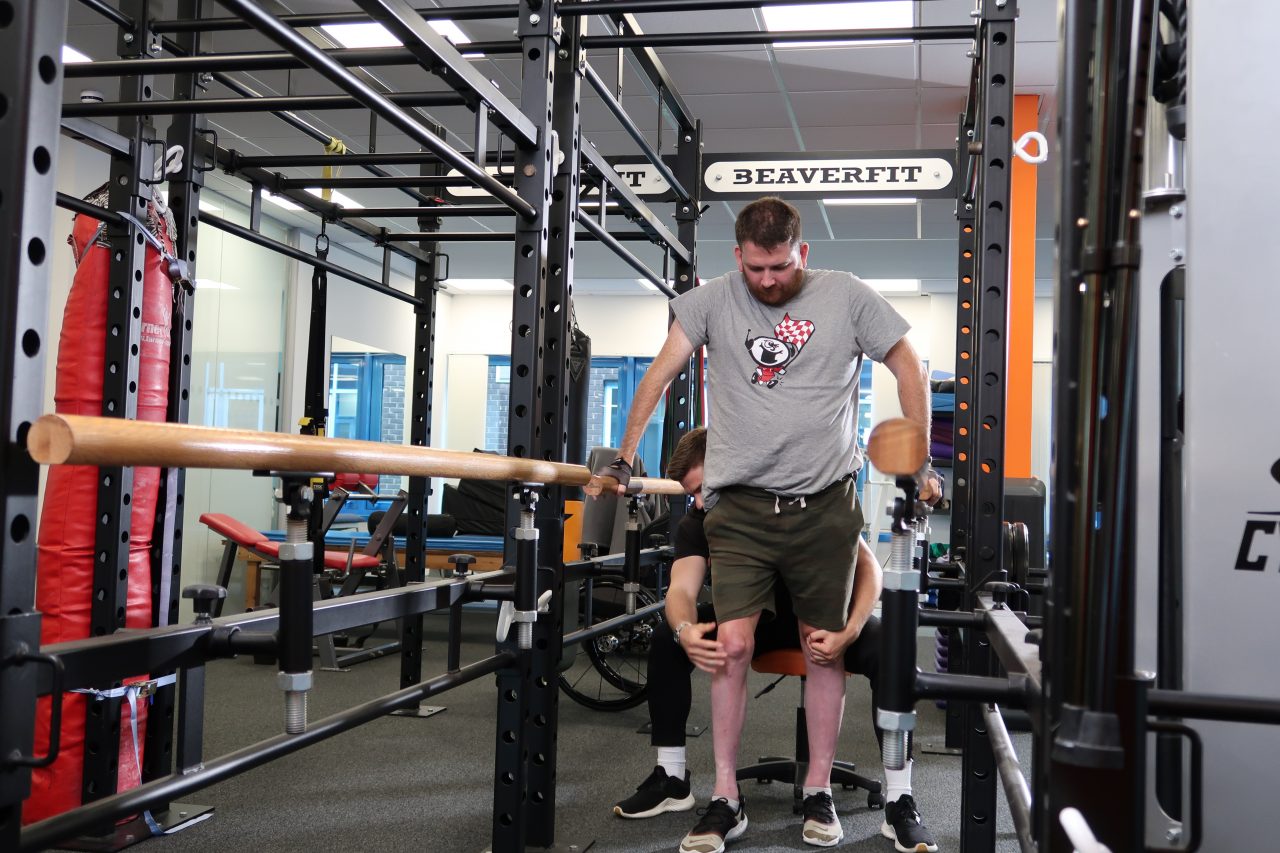
Having a child with a spinal cord injury myself, and having spoken to and read the stories of hundreds of individuals living with chronic disabilities and health conditions in the UK, I know only too well that often those that need the care the most get it the least. Across the UK the overburdened local NHS services struggle to provide sufficient rehabilitation for minor injuries, let alone those with serious chronic injuries and illnesses which require more specialised, more intensive rehabilitation.
COVID-19 put an additional strain on the rehabilitation sector by creating additional demands for its services. However, the pandemic also revealed how third-sector healthcare providers were exceptionally resilient in modifying service delivery throughout and after the lockdowns. Neurokinex, for example, created virtual services during the first lockdown to reach isolated individuals and, afterwards, for those who continued to shield.
A beneficial outcome was finding that working with modern technology to deliver healthcare could reach some of the most vulnerable in their homes when they were not able come in for face-to-face rehabilitation. This demonstrated the agility of the third sector to continue to serve its communities in the face of a significant global event.
The bottom line is that third sector rehabilitation providers need far more support to be able to maintain the ability to provide these critical services. Specialised rehabilitation is a complicated and often bespoke service to provide, and although we are an efficient not-for-profit, operationally we rely on trading income and donations from the community we serve – the last people who should be paying for it. We are actively working towards services being accessible to all.
Neurokinex is a trailblazer in this arena as the vast majority of neurological rehabilitation outside of the NHS is for-profit, and we are well positioned to make efficient use of government and charitable funds.
Recognising value
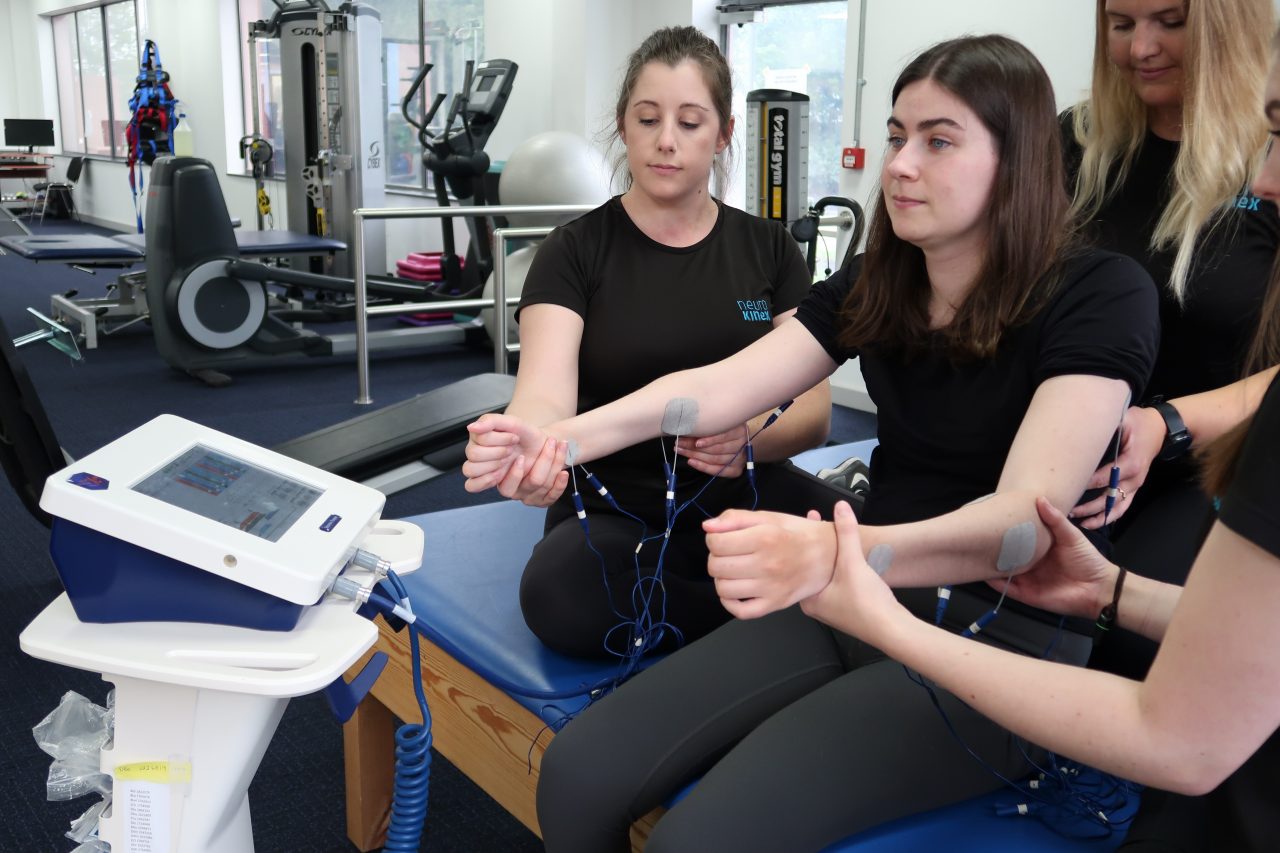
Fortunately, the role of the third sector in treating some of our most vulnerable individuals in their own communities is beginning to be recognised. Lord Victor Adebowale, chair of the NHS Confederation, has called for VCSEs to be treated as key partners in the delivery of an integrated healthcare system which delivers healthcare equality – breaking down barriers to provide specialised, patient-led services which improve individual health outcomes as well as improve the general community. NHS England and NHS Improvement (NHSEI) has published guidance to support Integrated Care Boards (ICBs) through the implementation of partnerships.
He states: “The third sector is integral to achieving integrated healthcare in the health and care services. ICBs are expected to have developed a formal agreement for engaging and embedding the VCSE sector in system-level governance and decision-making arrangements, ideally by working through a VCSE alliance to reflect the diversity of the sector. These arrangements should build on the involvement of partners in relevant forums at place and neighbourhood level.”
Additionally, in 2021 the Health and Social Care Alliance Scotland, commissioned by the Scottish Government, launched a research initiative with the goal of “championing the third sector as a vital strategic delivery partner and foster better cross-sector understanding and partnership.”
Safeguarding critical rehab
The long-term vision of Neurokinex is to create a network of specialised paralysis rehabilitation centres within easy travelling distance of everyone living with paralysis in the UK. Our wish is that once people living with paralysis leave the spinal injuries centres or other neurological hospitals, they have regular access to paralysis recovery programmes at the cutting-edge of neuroscience close to home, in their communities.
To achieve this vision we need to be included as a partner in the design of care pathways and, of course, funding. We work closely with the NHS spinal injuries centres, Care and Commissioning Groups local to us and other paralysis advocacy charities. However, we still have a long way to go before some of the most physically vulnerable members of our society no longer need to pay for essential rehabilitation or, as we know happens, go without this critical care entirely due to availability and cost.