



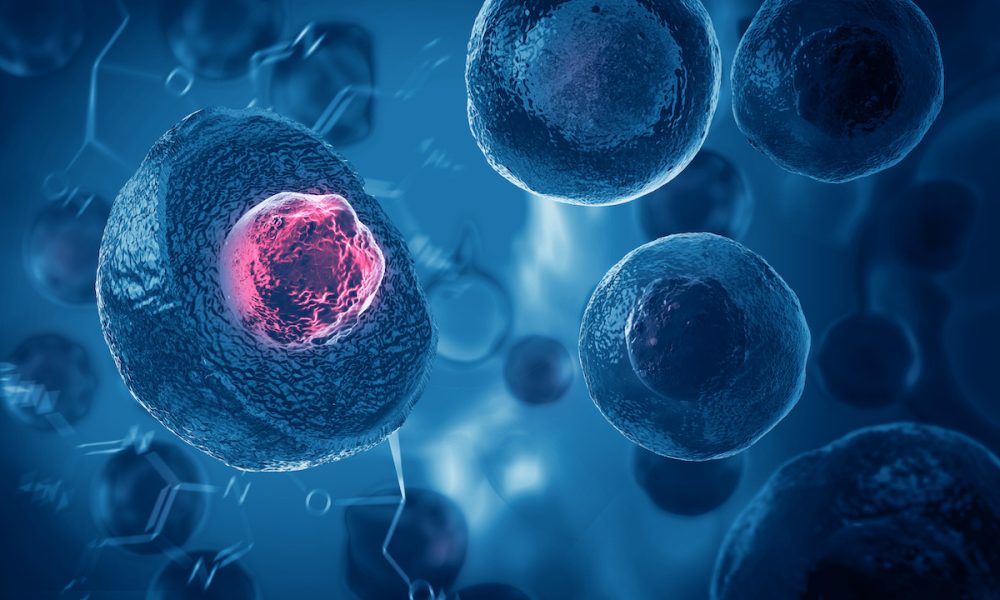
Traumatic brain injury (TBI) is a leading cause of ongoing disability worldwide. It occurs when an external forces traumatically injure the brain, leading to structural damage, related functional changes, and neurological deficits.
The severity of TBI can range from mild, moderate, to severe, with symptoms ranging from headaches, dizziness, and confusion to seizures, paralysis, and coma.
But let’s be clear, even a “mild” traumatic brain injury can be associated with disabling symptoms. Unfortunately, there has been no cure for TBI, and the available treatments focus on supportive care and symptom management.
It was traditionally taught that there may be improvements for 12-18 months after brain injury through various types of retraining and therapy, through a process called “plasticity,” where under-used parts of the brain can take up duties of injured parts.
However, recent advances in regenerative medicine have sparked excitement in the use of exosomes and stem cells as a potential assistive approach to address the lingering and previously considered permanent effects of TBI.
To understand the basics of regenerative medicine, it is important to understand that “stem cells” are powerful cells that can retain youthful properties and divide into other types of cells needed in our bodies.
When we were just a fetus, we were made up mainly of stem cells, all destined to grow and develop. Stem cells (and all cells for that matter) communicate with their neighbour cells, so they can coordinate efforts.
One cell can influence another, and then the influenced cell can influence its neighbors and so on. This programming information from one cell to another occurs through small bodies, about 1/1000th the size of a cell, called exosomes.
Exosomes are small extracellular vesicles that are secreted by various cells, including stem cells, and contain a variety of signalling molecules, such as proteins, nucleic acids (usually RNA), growth factors, and lipids.
They have been shown to play a critical role in cell-to-cell communication, including intercellular signalling and the transfer of biomolecules between cells.
These delivered proteins and growth factors influence the genes that are being activated in a given cell. Is the cell in an ageing, degenerating state? Or perhaps a regenerative, anti-inflammatory state?
Cellular programming can be influenced in this way. If a phase of healing ends, such as in the case of traumatic brain injury, involved cells get complacent, go dormant, and stop healing.
But exosomes derived from stem cells have been shown to have therapeutic effects in various neurological conditions, including TBI, by re-invigorating the healing, regenerative, and anti-inflammatory machinery that exists within all of our cells.
Several studies have investigated the use of exosomes derived from mesenchymal stem cells (MSCs) to treat TBI.
In a preclinical study published in the Journal of Neurotrauma, researchers found that intravenous injection of MSC-derived exosomes in rats with TBI improved motor function, reduced brain inflammation, and enhanced neuroprotection.
The authors attributed these effects to the anti-inflammatory and neurotrophic (nerve growth) properties of the exosomes.
Similarly, another study published in Stem Cell Research & Therapy demonstrated that intravenous injection of exosomes derived from human umbilical cord MSCs in rats with TBI improved cognitive function, reduced brain edema, and enhanced angiogenesis (re-growth of blood vessels).
These authors suggested that the therapeutic effects of the exosomes were due to their ability to modulate immune responses (reduce inflammatory damage), reduce oxidative stress, and promote tissue repair.
Stem cells, besides having regenerative properties, are also known to have neuroprotective properties. Several types of stem cells have been investigated for TBI, including MSCs, neural stem cells, and induced pluripotent stem cells.
MSCs are a type of stem cell that can be easily isolated from various tissues, including bone marrow, adipose (fat) tissue, and umbilical cord.
They have been shown to have neuroprotective and anti-inflammatory effects and can differentiate into various cell types, including neurons and glial cells.
In a preclinical study published in Stem Cells Translational Medicine, researchers found that intravenous injection of human bone marrow-derived MSCs in rats with TBI improved motor function, reduced brain inflammation, and enhanced neuroprotection.
The authors suggested that the therapeutic effects of MSCs were due to their ability to secrete neurotrophic (nerve growth) factors and modulate immune responses (meaning suppress inflammation related to our immune system). MSCs are readily available.
Neural stem cells, on the other hand, are a type of stem cell that can differentiate into various types of neural cells, including neurons, astrocytes, and oligodendrocytes.
They have been shown to have the potential to replace damaged neural cells and promote neuroregeneration. In a preclinical study published in the Journal of Neurosurgery, researchers found that transplantation of neural stem cells in rats with TBI improved cognitive function and promoted neuroregeneration.
The authors suggested that the therapeutic effects of neural stem cells were due to their ability to differentiate into neural cells and secrete neurotrophic factors.
These types of cells are not yet available in the community. However, MSCs give off exosomes that likely also stimulate our own neural stem cells.
Induced pluripotent stem cells (iPSCs) are a type of stem cell that are generated by reprogramming somatic cells, such as skin cells, to a pluripotent state, allowing them to differentiate into various cell types, including neural cells.
iPSCs have been shown to have potential in the treatment of various neurological conditions, including TBI. In a preclinical study published in Stem Cells Translational Medicine, researchers found that transplantation of iPSC-derived neural progenitor cells in rats with TBI improved motor function and promoted neuroregeneration.
The authors suggested that the therapeutic effects of iPSCs were due to their ability to differentiate into neural cells and secrete neurotrophic factors. These types of cells are not available for clinical use at this time.
There are still several challenges in employing regenerative medicine for TBI that need to be addressed.
One of the main challenges is the delivery: stem cells when delivered intravenous do not readily cross the blood brain barrier, whereby exosomes do so.
Additionally, iPSCs and neural stem cells are not readily available and require manipulation. Studies are ongoing and experience is being accumulated.
In conclusion, TBI is a devastating condition that currently has no cure. However, recent advances in regenerative medicine have shown promise mainly through the use of intravenous exosomes, at present.
Exosomes and stem cells have been shown to have therapeutic effects in studies, including improved motor function, reduced brain inflammation, and enhanced neuroprotection. We look forward to results of future studies on this topic as we gain more clinical experience.
Read more on Jeffrey Gross here.
References:
- Cheng Y, Liu X, Zhang S, et al. Mesenchymal stem cell-derived exosomes alleviate oxidative stress-induced traumatic brain injury through suppressing the miR-23a-mediated mitochondrial apoptotic pathway. J Neurotrauma. 2020;37(12):1417-1434.
- Kim JY, Jeon HB, Yang YS, et al. Neuroprotective effects of human mesenchymal stem cells on dopaminergic neurons through anti-inflammatory action. Glia. 2009;57(1):13-23.
- Li T, Yan Y, Wang B, et al. Exosomes derived from human umbilical cord mesenchymal stem cells alleviate neuroinflammation and reduce amyloid-beta accumulation by modulating microglial activation in Alzheimer’s disease. Neurochem Res. 2019;44(11):2355-2367.
- Lu D, Li Y, Wang L, et al. Intraarterial administration of marrow stromal cells in a rat model of traumatic brain injury. J Neurotrauma. 2001;18(8):813-819.
- Nagoshi N, Tsuji O, Nakamura M, et al. Transplantation of spinal cord-derived neural stem cells for ALS: analysis of phase 1 and 2 trials. Neurology. 2020;94(8):e825-e835.
- Oh SH, Kim HN, Park HJ, Shin JY, Lee PH. Mesenchymal stem cells increase hippocampal neurogenesis and neuronal differentiation by enhancing the Wnt signaling pathway in an Alzheimer’s disease model. Cell Transplant. 2015;24(6):1097-1109.
- Qu Y, Zhang Q, Cai X, et al. Exosomes derived from miR-181-5p-modified adipose-derived mesenchymal stem cells prevent liver fibrosis via autophagy flux modulation. J Cell Mol Med. 2020;24(11):6388-6405.
- Zhang R, Liu Y, Yan K, et al. Anti-inflammatory and immunomodulatory mechanisms of mesenchymal stem cell transplantation in experimental traumatic brain injury. J Neuroinflammation. 2013;10:106. doi:10.1186/1742-2094-10-106
- Chen L, Huang X, Gao Y, et al. Mesenchymal stem cells protect dopaminergic neurons in a rat model of Parkinson’s disease by down-regulating microRNA-21. J Cell Mol Med. 2019;23(2):1355-1365. doi:10.1111/jcmm.14011
- Huang L, Zhang W, Zhang N, et al. Exosomes from Thymosin β4-stimulated mesenchymal stem cells promote endothelial cell angiogenesis and accelerate wound healing by regulating the PI3K/Akt signaling pathway. Stem Cell Res Ther. 2020;11(1):27. doi:10.1186/s13287-020-1546-9
- Lu P, Jones LL, Tuszynski MH. BDNF-expressing marrow stromal cells support extensive axonal growth at sites of spinal cord injury. Exp Neurol. 2005;191 Suppl 1:S141-S152. doi:10.1016/j.expneurol.2004.08.019
- Salgado AJ, Sousa JC, Costa BM, Pires AO, Mateus-Pinheiro A, Teixeira FG. Mesenchymal stem cells secretome as a modulator of the neurogenic niche: basic insights and therapeutic opportunities. Front Cell Neurosci. 2020;14:585283. doi:10.3389/fncel.2020.585283
- Sharma A, Gokulchandran N, Chopra G, et al. Administration of autologous bone marrow-derived mononuclear cells in children with incurable neurological disorders and injury is safe and improves their quality of life. Cell Transplant. 2012;21 Suppl 1:S79-S90. doi:10.3727/096368912×636936
- Sun T, Wang X, He Q, et al. Umbilical cord mesenchymal stem cell transplantation for traumatic brain injury: A systematic review and meta-analysis of preclinical studies. Stem Cell Res Ther. 2020;11(1):374. doi:10.1186/s13287-020-01902-y
- Thakur M, Rahman W, Hobbs C, Dickerson IM. In vitro characterization of bone marrow-derived mesenchymal stem cells from patients with multiple sclerosis. Mult Scler. 2008;14(2):159-168. doi:10.1177/1352458507084608
- Wang Y, Han ZB, Song YP, et al. Safety of mesenchymal stem cells for clinical application. Stem Cells Int. 2012;2012:652034. doi:10.1155/2012/652034
- Wu J, Sun T, Ye C, Yao Y, Li L. Intranasal delivery of mesenchymal stem cells-derived exosomes attenuates inflammatory responses and spatial learning impairment in a traumatic brain injury rat model. Neurochem Res. 2020;45(11):2560-2572. doi:10.1007/s11064-020-03130-9
- Xie W, Xie L, Xu L, et al. Human umbilical cord mesenchymal stem cell-derived exosomes promote angiogenesis and neurogenesis following cerebral ischemia/reperfusion injury. Neural Regen Res. 2020;15(7):1284-1292. doi:10.4103/1673-5374.272620
- Yang Y, Ye Y, Kong C, et al. Mesenchymal stem cells-derived exosomes attenuate ischemia/reperfusion injury of cardiac microvascular endothelial cells through the miR-182/FOXO3a/ROS pathway. Life Sci. 2020;252:117613. doi:10.1016/j.lfs.2020.117613
- Zhang Y, Chopp M, Meng Y, et al. Effect of exosomes derived from multipluripotent mesenchymal stromal cells on functional recovery and neurovascular plasticity in rats after traumatic brain injury. J Neurosurg. 2015;122(4):856-867. doi:10.3171/2014.11.JNS14770
- Zhao LR, Duan WM, Reyes M, et al. Human bone marrow stem cells exhibit neural phenotypes and ameliorate neurological deficits after grafting into the ischemic brain of rats. Exp Neurol. 2002;174(1):11-20. doi:10.1006/exnr.2001.7856
- Zhou Y, Xu H, Xu W, et al. Exosomes released by human umbilical cord mesenchymal stem cells protect against cisplatin-induced ovarian granulosa cell stress and apoptosis in vitro. Sci Rep. 2019;9(1):4838. doi:10.1038/s41598-019-41301-3
- Zhu Y, Yang Y, Zhang Y, et al. Microvesicles secreted by human umbilical cord mesenchymal stem cells promote recovery following ischemic stroke in rats. Stem Cell Res Ther. 2020;11(1):437. doi:10.1186/s13287-020-01960-2
- Zhuang X, Xiang X, Grizzle W, et al. Treatment of brain inflammatory diseases by delivering exosome encapsulated anti-inflammatory drugs from the nasal region to the brain. Mol Ther. 2011;19(10):1769-1779. doi:10.1038/mt.2011.164


