


New grants to support physical activity for people with Parkinson’s in marginalised communities
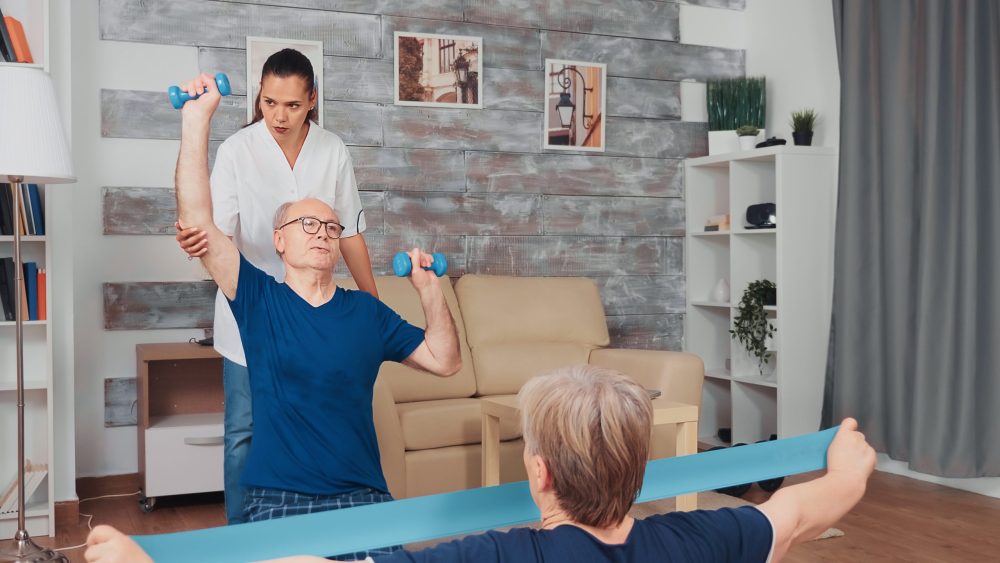
A new pilot scheme offering grants of up to £3,000 will help more marginalised communities across the UK deliver physical activity sessions for people living with Parkinson’s.
The Parkinson’s UK pilot focuses on groups and areas where people with Parkinson’s are underrepresented in exercise and physical activity provision.
The initiative will run alongside the charity’s established physical activity grants programme, which has distributed more than £700,000 to over 200 providers since launching in 2021.

Social groups that include people living with Parkinson’s, or have a connection to the condition, can apply for funding.
This includes:
Global majority communities (previously categorised as ethnic minorities)
People with disabilities, including physical, neurodiverse or hidden disabilities
People from low socio-economic backgrounds
LGBTQIA+ communities
Refugee, asylum seeker and migrant communities
Anyone who identifies as a woman
The following organisations that support the Parkinson’s community are also eligible to apply:
Community-based not-for-profit organisations (including charities, community interest companies, and constituted community groups—excluding Parkinson’s UK local groups or branches)
Community amateur sports clubs
Community benefit societies and co-operatives
Social enterprises
Funding can be used for exercise classes, consultations with the Parkinson’s community, or engagement events.
Roma Hashim, physical activity grants manager at Parkinson’s UK, said: “We’re really excited about launching the Physical Activity Grants for Marginalised Communities pilot programme this year.
“The Physical Activity Grants Programme was established to support the Parkinson’s community and the leisure industry to develop and deliver opportunities to be active at a local and regional level.
“However, we’ve since recognised that there is an increasing number of people from marginalised communities getting a Parkinson’s diagnosis who have limited access to support groups or programmes.
“Every grant aims to support people with Parkinson’s from marginalised communities to engage in physical activity, to improve their wellbeing.
“Their insights will also help us understand their needs and shape the future development of exercise and physical activity from Parkinson’s UK.”


