ECT linked to 34% lower suicide risk in severe depression, review finds
People with severe depression who received electroconvulsive therapy (ECT) were 34 per cent less likely to die by suicide than those treated with standard alternatives such as antidepressant medication, a major international review has found.
The meta-analysis – which combines and analyses data from multiple earlier studies – also showed a 30 per cent reduction in deaths from any cause among people who received ECT, suggesting potential broader health benefits beyond mental health.
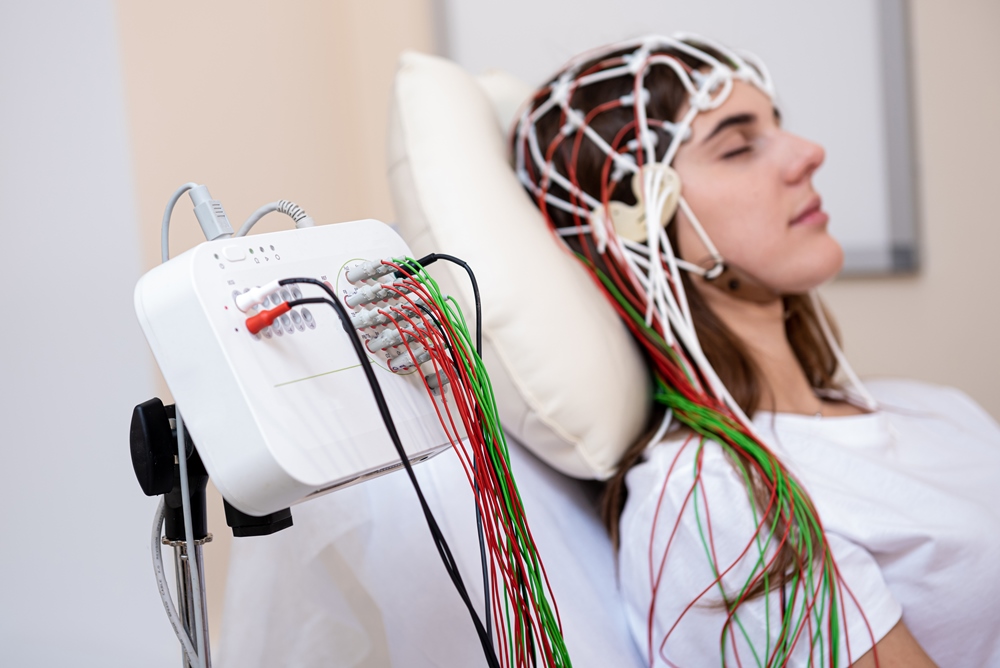
ECT, or electroconvulsive therapy, involves applying small electrical currents to the brain under brief general anaesthetic to trigger controlled seizures.
This process is thought to help rebalance brain chemicals linked to mood, including serotonin, dopamine, GABA, and norepinephrine.

Researchers from the University Psychiatric Clinics Basel in Switzerland reviewed high-quality studies exploring how various brain stimulation therapies affect suicidal thoughts, suicide rates, and mortality in people with depression.
They say this is the first meta-analysis to show both a significant reduction in suicide risk and an overall survival benefit for people with depression receiving ECT.
Lead author Dr Timur Liwinski said: “To our knowledge, this is the first meta-analysis to demonstrate a survival benefit of ECT for individuals with depression.
“Recent studies confirm that ECT remains the most effective treatment available for severe depression. Our work shows that suicide and all-cause mortality are also reduced.”
Major depressive disorder affects an estimated 300 million people globally, with prevalence increasing by approximately 20 per cent between 2005 and 2015.
The full impact of the COVID-19 pandemic on mental health is still being assessed.
Nearly 700,000 people die by suicide each year, making it the fourth leading cause of death among those aged 15 to 29.
Around half of all suicides are linked to depression or related mood disorders. People living with these conditions face a 20-fold increased risk of suicide compared to those without.
The researchers reviewed data from studies involving individuals with treatment-resistant depression – where symptoms persist despite the use of conventional treatments, including selective serotonin reuptake inhibitors (SSRIs).
Roughly one in three people with major depression falls into this group.
The review examined three neurostimulation therapies: ECT; rTMS (repetitive transcranial magnetic stimulation, a non-invasive technique using magnetic pulses to stimulate brain activity); and VNS (vagus nerve stimulation, which uses an implanted device to send electrical signals to the brain via the vagus nerve in the neck).
From an initial pool of 1,352 studies, the researchers selected 26 that met strict quality and inclusion criteria.
All studies included reported on treatment method, suicide rates, suicidal ideation, and overall mortality.
Eleven of the selected studies focused specifically on ECT.
They compared 17,890 people who received ECT with 25,367 who received standard care.
There were 208 suicide deaths in the ECT group and 988 in the control group. Deaths from all causes totalled 511 in the ECT group and 1,325 in the control group.
The findings also indicated a moderate reduction in suicidal thoughts among those treated with ECT.
For rTMS, the researchers found that the available data were too limited to draw firm conclusions.
Small-scale studies did not show a significant effect on suicidal ideation or suicide rates.
VNS appeared to be associated with a 60 per cent reduction in all-cause mortality. However, the researchers noted that small sample sizes limit the reliability of this finding.
Dr Liwinski said: “We observed that newer studies tended to report greater benefits from ECT than older ones.
“These more recent studies are often larger and methodologically stronger, reflecting how ECT treatment has evolved over time.
“In other words, modern ECT appears to be more effective than it was in the past.
“Since our analysis spans many decades, it’s likely that today’s ECT offers even stronger protection against suicide than the 34 per cent reduction we identified overall.”
He continued: “Most of the studies included were observational, not experimental, which means the certainty of the evidence is limited.
“However, because people with severe depression and suicidal thoughts are such a vulnerable group, it is unlikely that long-term, high-quality experimental studies will be possible in the future.”