A TBI blood test could speed diagnosis and reduce the need for CT scans, according to a new study by Irish doctors.
Research led by Professor Phil O’Halloran, consultant neurosurgeon at the Mater Hospital as well as the Royal London Hospital, found the test takes just 15 minutes in an emergency department, with results available within an hour.
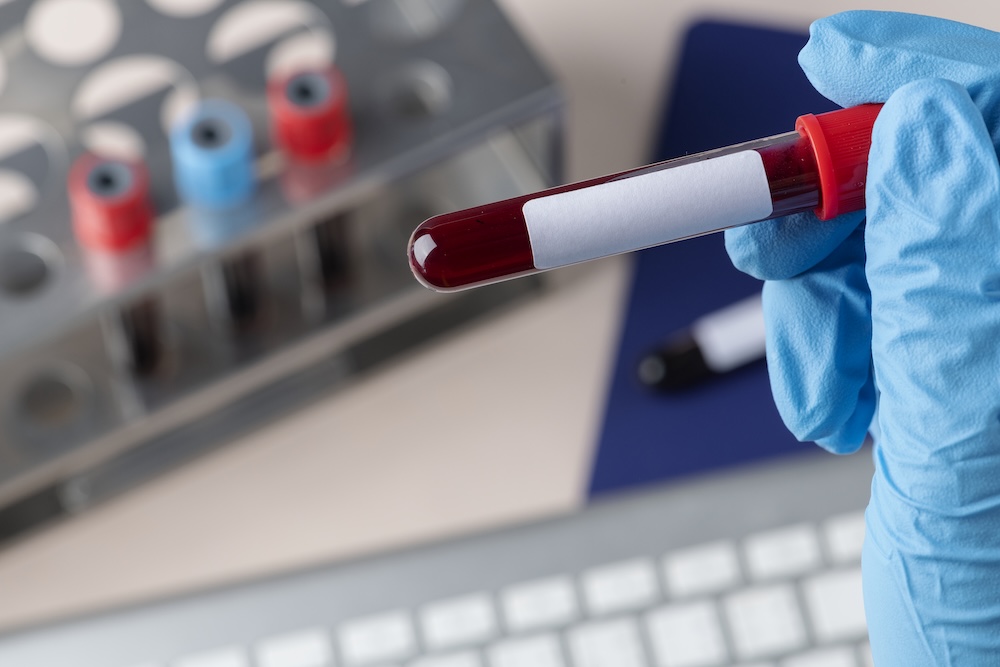
BAMBI (Biomarker of Acute Mild Brain Injury) is a novel study at the Mater Hospital which examines the molecular signature of proteins linked to brain trauma through a blood test taken in the emergency department.
The test can return results in less than one hour and has the potential to improve emergency department patient flow by reducing the need for CT scans for head injuries.
Some 215 patients with head injuries who presented at the Mater’s emergency department during July to December 2025 were part of the research, published on Wednesday in the British Journal of Neurosurgery.
Along with a head CT scan, these patients also underwent a blood test for traumatic brain injury. Such a blood test is much faster to administer and return results, as well as being less impactful for the patient.
In the study, the test correctly identified 100 per cent of the head injuries detected by CT scans. In future, this could dramatically reduce the number of CT scans needed to diagnose traumatic brain injury.
Prof O’Halloran, who is also neurotrauma clinical lead for the Society of British Neurological Surgeons and visiting professor at the Royal College of Surgeons in Ireland, said: “This research represents a significant milestone in the management of patients with traumatic brain injury in Ireland.
“As we move towards a more personalised molecular strategy in the diagnosis and treatment of traumatic brain injury similar to modern cancer care, it solidifies Ireland’s position at the forefront of innovation in Neuro-Translational medicine.
“There are tangible benefits to patients, clinicians and hospitals while also giving rise to a potential economic impact which we are currently analysing.”
Dr Paula O’Shea, consultant clinical biochemist at the Mater Hospital and adjunct clinical lecturer/assistant professor at University College Dublin, said: “From a laboratory medicine perspective, what matters is having a blood test that is reliable, timely, and impactful.
“In our study of 215 patients, we found that a combined GFAP/UCH-L1 blood test correctly identified 100 per cent of head injuries detected by CT scans. By adjusting result thresholds for older patients, the test could safely double the number of people who avoid unnecessary CT scans.”
Dr Etimbuk Umana, consultant in emergency medicine at the Mater Hospital and adjunct senior lecturer at University College Dublin, added that “due to the very high numbers of patients arriving at emergency departments nationwide, we need innovative approaches to streamline patient flow”.
“The BAMBI pilot project has demonstrated that the biomarkers can potentially reduce the number of patients who require CT scans, shortening the times that patients have to spend in the emergency department, possible overcrowding and enhancing the overall quality of patient experience and care.”
As part of the ongoing work, Prof O’Halloran and Dr O’Shea have received HSE Spark Innovation funding to further expand the project, recruit 2,000 patients and evaluate how the test performs as part of routine emergency department care.