A new spinal injury study has examined ways to improve emergency care for athletes with catastrophic cervical spine injuries.
The work focused on injuries to the cervical spine, the neck section of the spine that supports the head and protects the spinal cord.
These injuries can be life-changing and need careful emergency handling to reduce the risk of further damage during treatment and transport.

The University of Georgia Athletic Association, the Athens-based UGA School of Medicine and Piedmont Athens Regional Medical Center completed the research project.
The study was titled Improving Outcomes for Catastrophic Cervical Spine-Injured Athletes.
According to a May 31 news release, it brought together physicians, athletic trainers, emergency medical services personnel, biomechanical researchers and sports and emergency medicine leaders from the Athens-based University of Georgia and the Gainesville-based University of Florida.
Researchers carried out the study at the UGA School of Medicine anatomy laboratory.
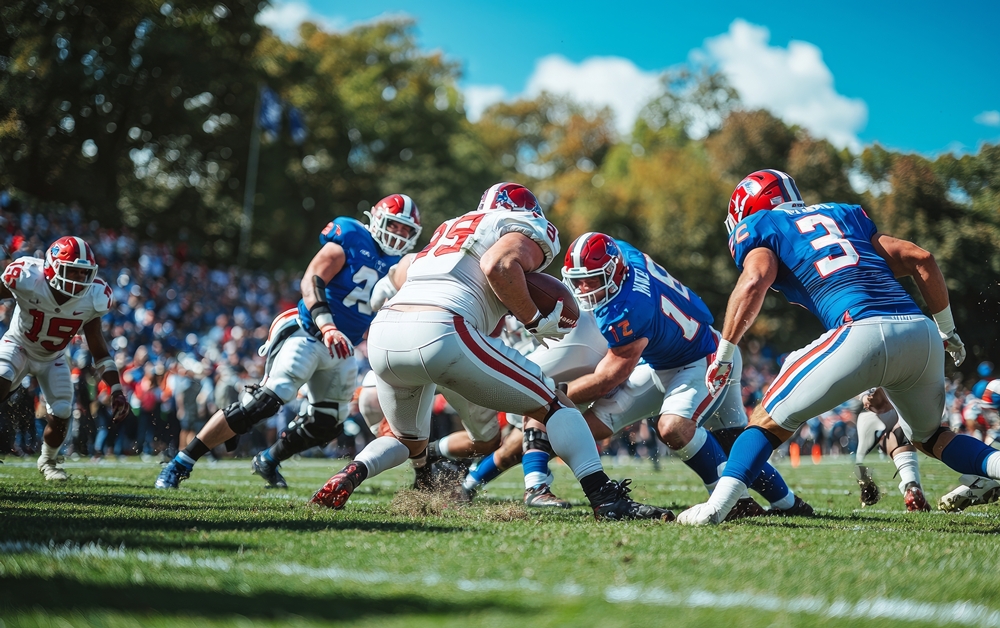
They used fresh frozen, lightly fixed cadaver models equipped with football gear to evaluate spinal motion restriction and athlete extrication techniques.
Athlete extrication means safely removing an injured player from the field or equipment while limiting spine movement.
The work also involved imaging and procedural support from Piedmont Athens Regional Medical Center.
The team compared current emergency care methods with the goal of reducing spinal movement during treatment, improving patient safety and advancing evidence-based practices for emergency response in athletics.
They also used vertebral motion analysis technology to measure cervical spine movement during immobilisation, transfer and equipment-removal procedures.
Immobilisation means keeping the head, neck and spine as still as possible to help protect the spinal cord after injury.
Further analysis is ongoing.
The findings are expected to inform future peer-reviewed publications, educational programmes and national best-practice recommendations for managing catastrophic spine injuries in sport.