National Psychologist Day: The vital role of psychology in neurorehabilitation
By Henk Swanepoel, Cygnet Health Care neuropsychology lead
When people think about rehabilitation following a brain injury or neurological condition, they often picture physiotherapy, occupational therapy or speech and language therapy.
While these disciplines are essential, psychological support is just as important. Recovery is not only about regaining physical function; it is also about rebuilding confidence, identity and emotional wellbeing.
As a Clinical Neuropsychologist working within neurorehabilitation at Cygnet Health Care, my role is to help people understand and adapt to the changes that can occur following a neurological injury or condition.
Every person’s experience is different, and psychological care is tailored to their individual needs, goals and circumstances.
Supporting adjustment after neurological injury
A neurological condition or acquired brain injury can change almost every aspect of a person’s life. Many people experience a profound sense of loss, whether that’s a loss of independence, employment, relationships or confidence in their own abilities.
One of the most important aspects of psychology is supporting people to make sense of these changes.
We help patients process what has happened, develop coping strategies and gradually build a fulfilling life alongside any ongoing challenges.
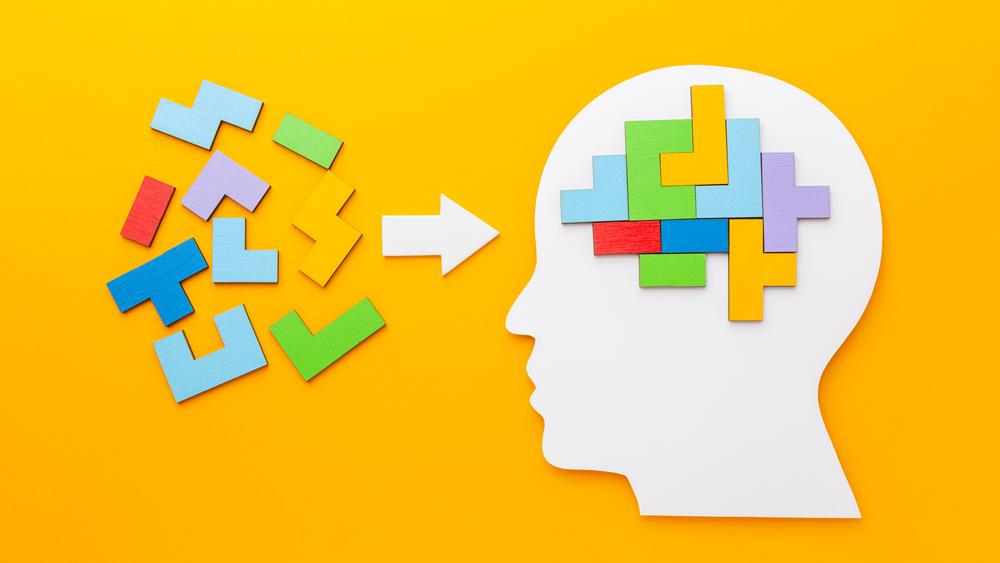
Neurorehabilitation is about helping people process and accept the changes post injury, and discover what is possible now and supporting them to move forward with psychological flexibility.
Understanding emotional, cognitive and behavioural changes
The effects of neurological conditions extend far beyond physical symptoms.
Many people experience anxiety, depression, frustration, grief or low self-esteem. Others may struggle with memory, concentration, attention or planning everyday activities.
Changes in behaviour, emotional regulation or insight into their own difficulties can also occur, placing additional strain on relationships with loved ones.
Neuropsychologists work closely with patients to understand these changes through assessment, formulation and therapy.
We help people recognise their strengths alongside their difficulties, develop practical strategies and learn ways to manage emotions more effectively.
Our work aims to improve quality of life, increase independence where possible and help people achieve meaningful personal goals.
Working together as part of the multidisciplinary team
Neurorehabilitation is most effective when delivered by a multidisciplinary team.
Psychologists collaborate closely with physiotherapists, occupational therapists, speech and language therapists, nursing teams, and medical colleagues to ensure psychological wellbeing is considered throughout every stage of rehabilitation.
Our understanding of cognition, behaviour and emotional functioning can help shape rehabilitation programmes, improve engagement with therapy and identify barriers that may otherwise limit progress.
Equally, the observations and expertise of colleagues across the team are invaluable in helping us understand each patient’s experiences from different perspectives.
This interdisciplinary approach ensures rehabilitation addresses the whole person rather than focusing solely on physical recovery.
Supporting families as well as patients
Brain injury and neurological illness affect entire families.
Partners, parents, children and friends often experience their own emotional challenges while adapting to significant changes in family roles and relationships.
They may be coping with uncertainty, grief or the demands of becoming a carer, while also trying to understand changes in their loved one’s personality, behaviour or abilities.
Providing psychological support to families helps them understand what has happened, develop realistic expectations and build confidence in supporting recovery.
It also creates opportunities to address their own wellbeing, which is vital for long-term rehabilitation outcomes.
Looking ahead
Neuropsychology continues to evolve, with growing evidence supporting personalised, goal-focused rehabilitation that places the individual’s values and priorities at the centre of care.
There is also increasing recognition of the importance of integrating psychological support throughout rehabilitation, rather than viewing it as a separate intervention.
By working alongside the wider multidisciplinary team from the earliest stages of recovery, psychologists can help maximise engagement, resilience and long-term outcomes.
A rewarding profession
One of the most rewarding aspects of working in neurorehabilitation is witnessing the resilience people demonstrate following life-changing neurological events.
Progress is not always measured by dramatic breakthroughs.
Often it is the smaller moments that have the greatest significance: someone returning to a hobby they thought they’d lost, rebuilding relationships, regaining confidence to leave the house independently or achieving a personal goal that once felt impossible.
On this National Psychology Day, I’m deeply honoured to support individuals navigating life after neurological injury.
This journey reinforces the critical need for compassionate, holistic, and person-centred care, working alongside multidisciplinary teams to help people rebuild meaningful, independent lives.
Learn more about Cygnet Health Care at cygnetgroup.com