About Andrew Mernin

This author has not yet filled in any details.
So far Andrew Mernin has created 640 blog entries.

Recycling a “cell’s energy centres” could ward off Parkinson’s

Scientists have long known that living cells are master recyclers, constantly breaking down old parts and building them back up into new molecular machines.

Now, researchers have taken a closer look at the life cycle of energy-generating cellular power plants—called mitochondria— inside brain cells, and how they might be recycled. They showed that genes associated with Parkinson’s disease play key roles in this process.
By |2024-07-04T17:41:35+01:009 August 2021|News, Parkinson's|

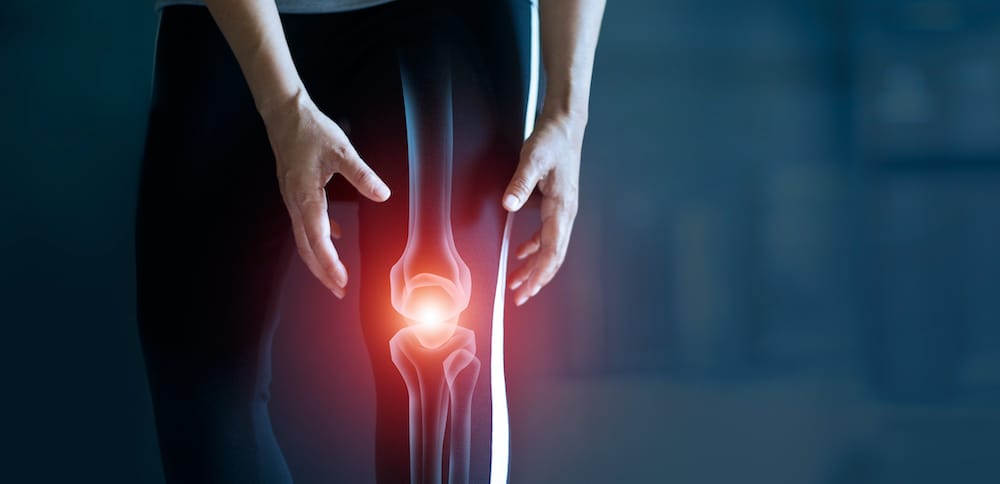
Osteoarthritis: breaking the cycle

  Sponsored feature Why is Cartilage Important? Bones that come in contact with other bones are covered by cartilage at their contact points. Cartilage does not have blood vessels – it is supplied with nutrients through movement of the joint. That’s why regular exercise is so important! Cartilage ensures that the joint surfaces move against each other in the most efficient way and with little friction. It absorbs shock, cushioning the joint, and distributes the forces acting on the joint. If cartilage is damaged and its gliding properties are affected, it can no longer serve its purpose and the joints range of movement can become limited.

By |2024-07-04T17:42:47+01:0026 July 2021|Tech & industry, News|

Masturbation linked to stroke in medical case study

Doctors in Japan have reported how masturbation sparked a bleed on the brain of a 51-year-old man; as published in the Journal of Stroke and Cerebrovascular Diseases.

Doctors at the Nagoya City University Graduate School of Medical Sciences in Japan explained that the man attended hospital after orgasming, with the sudden onset of a searing headache that lasted for around a minute. This was followed by an intense bout of vomiting.
By |2025-08-06T09:28:02+01:0026 July 2021|News, Stroke|

“Stranded, injured or missing work” – study into SCI patients’ wheelchair woes

More than half of wheelchair users with spinal cord injury need repairs at some point every six months, a US study suggests.

Researchers surveyed 533 wheelchair users at nine Spinal Cord Injury Model Systems Centers across North America.
They aimed to determine how often people require wheelchair repairs, and what the consequences were of needing a repair; how long these consequences were experienced; and whether any trends emerged regarding which users, or which types of wheelchairs, are more likely to need repair.
By |2024-07-04T17:43:02+01:005 July 2021|News|

Novel target shows promise in treating Alzheimer’s and related dementias

Researchers remain perplexed as to what causes dementia and how to treat and reverse the cognitive decline seen in patients.

In a first-of-its-kind study, however, researchers have discovered that cis P-tau, a toxic, non-degradable version of a healthy brain protein, is an early marker of vascular dementia (VaD) and Alzheimer's disease (AD).
Their results define the molecular mechanism that causes an accumulation of this toxic protein.
Furthermore, they showed that a monoclonal antibody (mAb) that targets this toxic protein was able to prevent disease pathology and memory loss in AD- and VaD-like preclinical models.
By |2024-07-04T17:43:09+01:0014 June 2021|News, Dementia|

Aerobic exercise and cognitive function in older adults – new findings

Increasing evidence shows that physical activity and exercise training may delay or prevent the onset of Alzheimer's disease (AD).

In older people, aerobic exercise training increases grey and white matter volume, enhances blood flow, and improves memory function.
The ability to measure the effects of exercise on systemic biomarkers associated with risk for AD and relating them to key metabolomic alterations may further prevention, monitoring, and treatment efforts. However, systemic biomarkers that can measure exercise effects on brain function and that link to relevant metabolic responses are lacking. 
By |2024-07-04T17:43:10+01:0011 June 2021|News, Dementia|

Study links COVID-19 to Alzheimer’s-like impairment

A new study has identified mechanisms by which COVID-19 can lead to Alzheimer's disease-like dementia.

The findings indicate an overlap between COVID-19 and brain changes common in Alzheimer's, and may help inform risk management and therapeutic strategies for COVID-19-associated cognitive impairment.
Reports of neurological complications in COVID-19 patients and "long-hauler" patients whose symptoms persist after the infection clears are becoming more common, suggesting that SARS-CoV-2 (the virus that causes COVID-19) may have lasting effects on brain function. However, it is not yet well understood how the virus leads to neurological issues. 
By |2024-07-04T17:43:10+01:0011 June 2021|News|

NHS pilots video service for epilepsy diagnoses

A new clinical video service which supports epilepsy diagnoses and management in the era of coronavirus and beyond has been launched in the UK.

vCreate Neuro allows registered patients and carers to share smartphone-recorded videos of potential seizures or unknown movements with their clinical team via a secure, NHS-trusted system.
The data and footage act as a visual aid to assist clinical teams with rapid precision diagnostics, creating a digitised clinical pathway that minimises the need for face-to-face clinic appointments and invasive tests.
By |2026-02-11T11:48:38+00:0010 May 2021|Commissioning, News|

A 10 year adventure in stroke telemedicine

The East of England Stroke Telemedicine Partnership has been delivering consultant expertise to the bedside of stroke patients for a decade. NR Times reports on its learnings and successes at a time when healthcare teams across the world are looking for guidance in telemedicine.

The Covid-19 pandemic has raised the profile of telemedicine in the NHS; but the idea of using technology for the remote triage, treatment and support of patients is far from new. The East of England Stroke Telemedicine Stakeholder Partnership has been delivering a successful thrombolysis service for patients with acute ischaemic stroke for a decade.
By |2024-07-04T17:43:24+01:0026 April 2021|News, Stroke|
Go to Top