



Brain injuries in children – what we do and don’t know
Clinical psychologist Célia Demarchi has been involved in helping shed light on brain injuries in children. Here, she talks about her recent research into how brain injuries affect this growing demographic, and why it’s important that research continues.
Outcomes following traumatic brain injury (TBI) are difficult to predict and NICE guidelines have emphasised the need for UK-based research into predictors of long-term conditions after brain injury. Advances in medicine mean that more and more young people are surviving catastrophic injuries each year, but this does also mean that we now have a growing number of people with needs that aren’t always being met.
Young people have a ‘superpower’ that helps them recover from brain injury, study says
Infants and young children have brains with a superpower, say Georgetown University Medical Center neuroscientists. Whereas adults process most discrete neural tasks in specific areas in one or the other of their brain's two hemispheres, young people use both the right and left hemispheres to do the same task.
The finding suggests a possible reason why children appear to recover from neural injury much easier than adults. The study published in journal Proceedings of the National Academy of Sciences of the United States of America focuses on one task, language, and finds that to understand language (more specifically, processing spoken sentences), children use both hemispheres.
Neurologist calls for health services to ‘pay attention’ to brain injury
Neurologist Kester J Nedd explores what happens when the brain is injured, how it recovers, and how a transformative evaluation and treatment method can help in his new health book, Concussion: Traumatic Brain Injury from Head to Tail, published by Archway Publishing).
Gillian Hotz, from the University of Miami, says Nedd is “able to manage the most complex neurological cases acute and chronic and get to the bottom of the issue in order to treat it. This book reflects his ideas from all the years of experience, his theories and how he sees the organization of the brain and the central nervous system following injury. In an understandable and readable manner, he discusses interesting cases of some of the thousands of patients he has treated over the years.”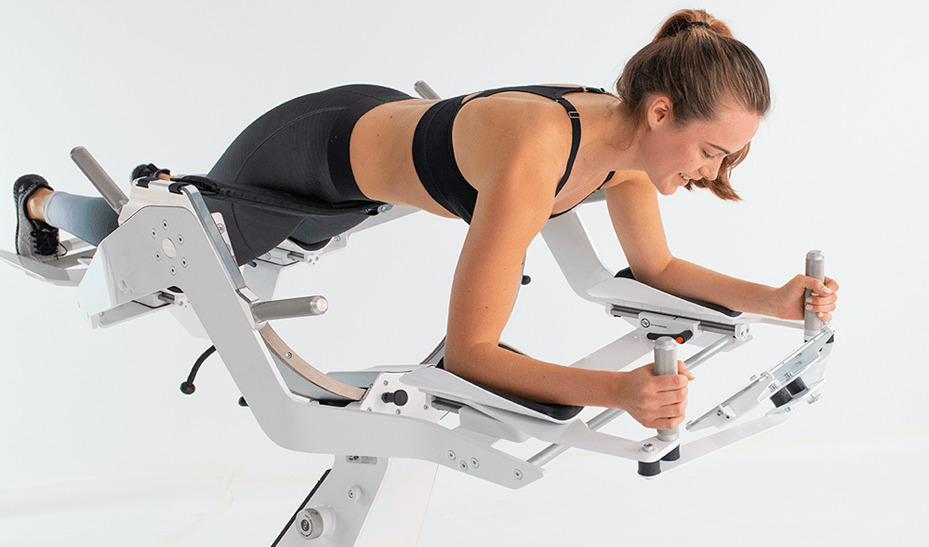
A game-changer in rehab exercise
People who have limited movement following a brain injury are at risk of developing pain and future health problems due to prolonged sitting and lack of exercise, which can lead to atrophy of the muscles.
Rehab certainly can help with this – but one company hopes to help these exercises become much more enjoyable. Munich-based Icaros says its devices are adjustable, easy to use and can be customised to patient's needs. The ICAROS Health unit is designed for professional use in therapy and rehab, offering core training for patients who have physical limitations. The device is designed to help improve muscle activity and coordination between muscles, while a slight increase in heartrate boosts circulation.
Aaron the at home superhero
At the time of his accident in 2013, Aaron was a 17 year old with a passion for cars and motorbikes. His friends and family described him as a caring, thoughtful and popular young man. He had a wonderful sense of humour and would always make his friends and family laugh. Aaron was studying Motor Vehicle Maintenance and he was working as an apprentice at a vehicle repair shop. On the day of the accident he was travelling to his job when he was involved in a road traffic collision. He suffered a severe traumatic brain injury as well as various severe orthopaedic injuries. His family were told that he may not survive and if he did he may never regain consciousness. Aaron underwent emergency lifesaving surgery and remained in hospital for around 3 months. He was then transferred to a specialist brain injury rehabilitation unit for intensive rehabilitation. He remained at this unit until December 2015 following which he was discharged home where he continued with his rehabilitation journey.

Brain injury case study: Simon’s story
In August 2019, Simon was admitted to the Coach House in Northampton, a specialist residential care home for adults with acquired brain injury. He was the first service user in a brand new service from experienced care provider, Richardson Care. He had sustained a hypoxic brain injury in 2015 following cardiac arrest, and had resided in a number of care environments following his discharge from acute rehabilitation. He was referred to Richardson Care due to an increase in unsettled and challenging behaviours and as his current placement was no longer best-placed to meet his needs. Simon had been increasingly isolating himself from the rest of the care home and would only engage in very limited activity with 1:1 support. He would frequently make complaints about his placement.

Expanding the horizon of neuro patients
A wide range of patients are now benefiting from the use of AlterG Anti-Gravity Treadmills throughout clinics across the UK. Patients with a wide range of neurological conditions are gaining confidence within a fall-safe environment which allows for high intensity repetitions along with increasing motor learning early on in the rehabilitation stage. Originally designed for NASA, the AlterG uses patented Differential Air Pressure Technology to unweight patients from 100% down to 20% of their bodyweight in precise 1% increments.

Video: everyday vs specialist tech
Technology plays a day to day role in our lives and mobile phones, tablets, Alexa and Siri are common place.
Imagine the impact on your life if you were no longer able to interact with a touch screen or keyboard or give voice commands....
In this virtual event, Assistive Technology expert Andy Fell gives practical demonstrations of how everyday technology and specialist technology can be used to help give independence to those who need it most and why specialist technology may be needed.


