Trial therapy appears to rapidly reverse sepsis-induced brain injury
Researchers have shown that an extremely large ‘megadose’ of sodium [...]

Researchers have shown that an extremely large ‘megadose’ of sodium [...]
Negligence by medics at Doncaster and Bassetlaw Teaching Hospitals NHS [...]
St Andrew’s Healthcare is on a mission to help to [...]
A new day service built around therapy-led recreational activities has [...]
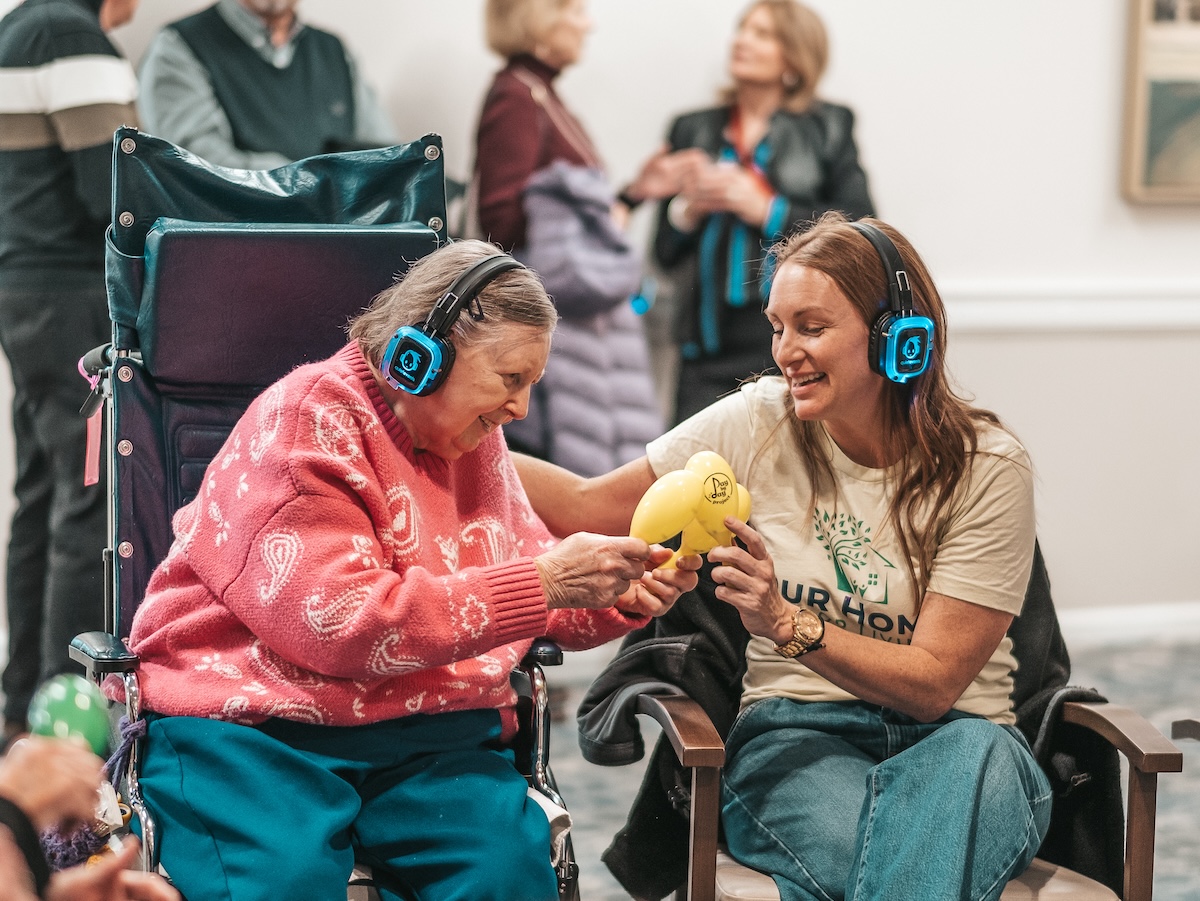
The silent disco has much more to offer than mere [...]
New findings about how a long-trusted treatment for spasticity should be delivered have highlighted the importance of attention to detail in the pharmacological side of neuro-rehab.
Spasticity is experienced by around 34 per cent of stroke survivors within 18 months following a stroke. It can also be a result of spinal cord injury, MS, cerebral palsy, brain or head trauma and metabolic diseases.
It is usually caused by damage to parts of the brain or spinal cord that control voluntary movement. This leads to a change in the balance of signals between the nervous system and the muscles which leads to increased activity in the muscles. As a result, certain muscles are continuously contracted causing stiffness or tightness of the muscles which can interfere with normal movement, gait and speech.
Among treatment options for spasticity, is Dysport (abobotulinumtoxinA), an injectable form of botulinum neurotoxin type A product. It inhibits the effective transmission of nerve impulses, therefore reducing muscular contractions; and has more than 30 years of clinical experience and six million treatment years of patient experience.
But a major new study has highlighted widespread gaps in how such treatments are administered which have been found to have a detrimental on patients with neurological conditions.
In this article we interview lead researcher on the study, Dr Alberto Esquenazi, director of the Gait & Motion Analysis Laboratory at Jefferson Moss-Magee Rehabilitation in Philadelphia.
Find out about the inconsistencies he has discovered in the delivery of spasticity treatment, their impact on rehab outcomes and the reasons behind them; plus what he believes are the changes that need to happen in rehab medicine to address them.
Given the decades in which the sport’s leaders have had to be dragged kicking and screaming into the neurological fight, perhaps that is optimistic.
Events are conspiring, however, to at least build momentum needed for change in football this year.
NHS England and the UK government are being urged to [...]
Other Aspect Health Media Titles


Copyright © 2025 Aspect Health Media Ltd