‘Great response’ to first-ever NR Times Awards
Entries are already coming in across the 12 categories, which recognise excellence in neuro-rehab

Entries are already coming in across the 12 categories, which recognise excellence in neuro-rehab
Study reveals need could be 300 per cent higher than current predictions
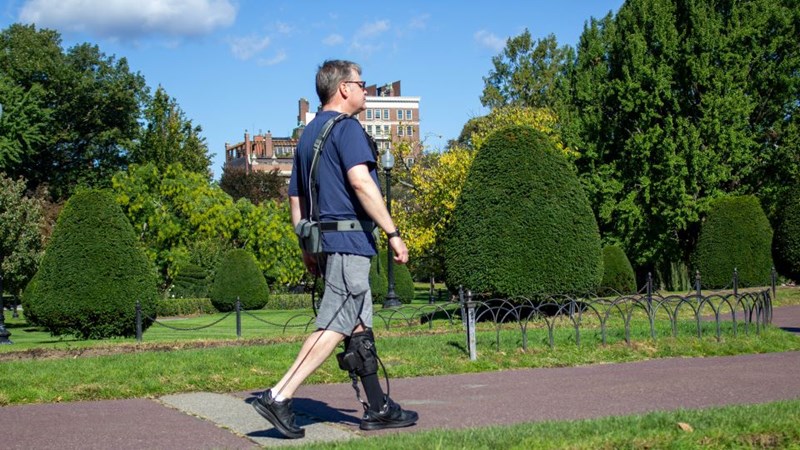
Pioneering robotic device shows its potential for stroke survivors through study
Pippa Sargent joins the organisation to help guide its ongoing growth and progress
JMW Solicitors works with charity to deliver legal advice and support to SCI survivors
Evidence review shows risk can be reduced by up to 50 per cent through social participation
Technology could help in creating a digital biomarker to track patterns and flag warning signs
Lara Tompkins was only 33 and had just given birth to her first child when she discovered she had Parkinson’s disease. While distressing enough in what should have been a joyous time, the lack of any tailored support for a young woman - let alone a new mother - made it a traumatic period. Here, Lara discusses why bespoke support for younger women is needed, why provision for young people with Parkinson’s needs to be less of a postcode lottery, and how Deep Brain Stimulation has gone on to change her life As a first-time mother, feelings of being overwhelmed, uncertain about what to do after such a huge adjustment in life, are completely common. But for Lara Tompkins, that life-changing moment - and its accompanying euphoria, amidst the many challenges that accompany becoming a parent - was compounded beyond what most of us could comprehend by a diagnosis of Parkinson’s disease.
Co-founder of Fourier Intelligence discusses his journey, achievements and ambitions
Machine learning can accurately find changes in brain structure, study finds
Other Aspect Health Media Titles


Copyright © 2025 Aspect Health Media Ltd