


Milestone in exoskeleton’s US healthcare journey
News this week from the US health insurance world has provided encouragement for those pushing to increase access to rehab-based exoskeletons.
For the first time, Medicare, the US federal health insurance programme, has made a payment to rehab tech developer ReWalk for its wearable robotic device that allows paraplegics to walk again. The ReWalk Personal Exoskeleton enables powered hip and knee motion for people with a spinal cord injury (SCI), allowing them to stand upright, walk, turn, and climb up and down stairs. According to reports, the payment of US$94,617 to ReWalk was made via Medicare administrative contractor Noridian Healthcare Solutions. It could be a sign that the news represents recognition of exoskeletons as medically necessary for people with an SCI.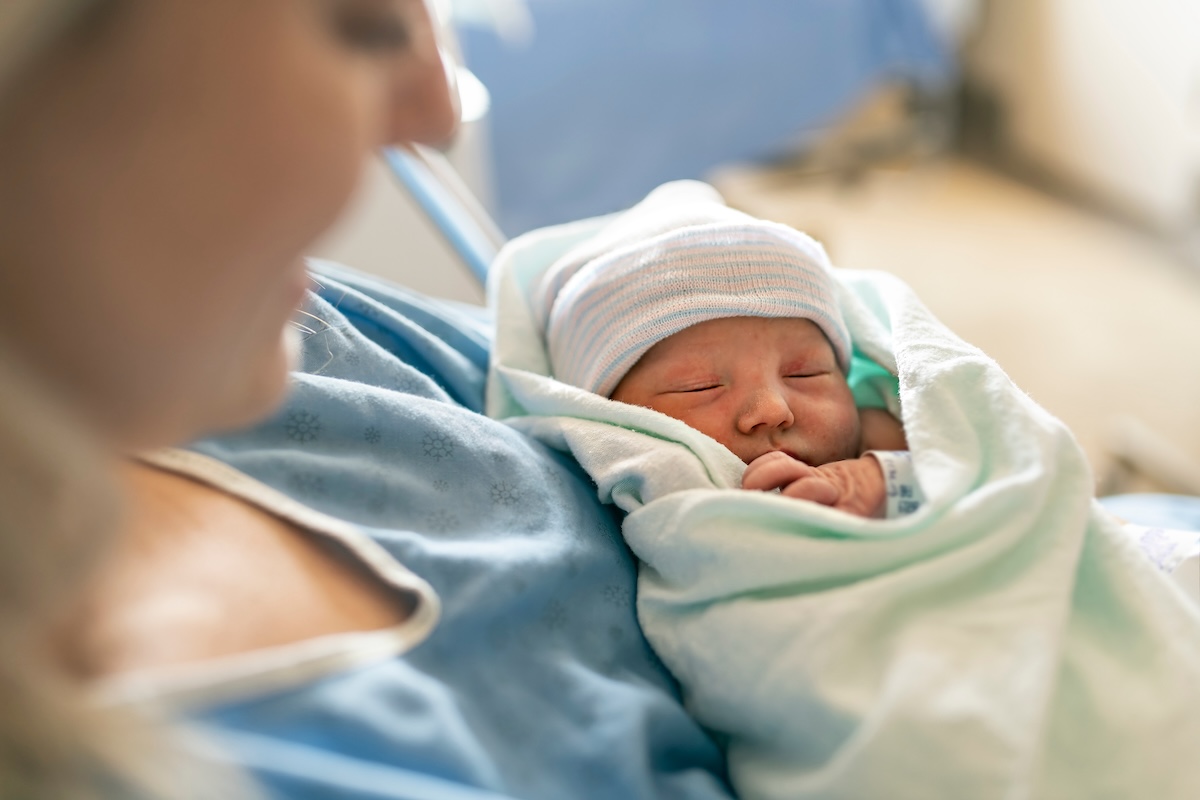
A new tool in the fight to save brain injured babies
The development of a device which harnesses AI to detect brain injuries in newborn babies is speeding up thanks to a funding boost.
NeuroBell, an Irish university spinout has developed technology that enables real-time, accurate detection of seizures in newborn babies needing additional care. It uses artificial intelligence (AI) to help clinicians diagnose abnormal brain activity faster, enabling early intervention that can improve outcomes. NeuroBell was founded by Dr Mark O’Sullivan, Dr Alison O’Shea and Colm Murphy, and is a spin-out from University College Cork and the Irish Centre for Maternal and Child Health Research (Infant). It aims to address what the founders see as a critical gap in the availability and accuracy of current technologies used to detect seizures in newborns admitted to the neonatal intensive care unit (NICU).
Step forward in progress of Alzheimer’s treatment
The clinical stage pharma firm PharmaKure has been given the green [...]

Could chatbot tech revolutionise brain injury care?
Chatbot technology has emerged as a possible tool to support [...]
Brain injury markers missed – COVID study
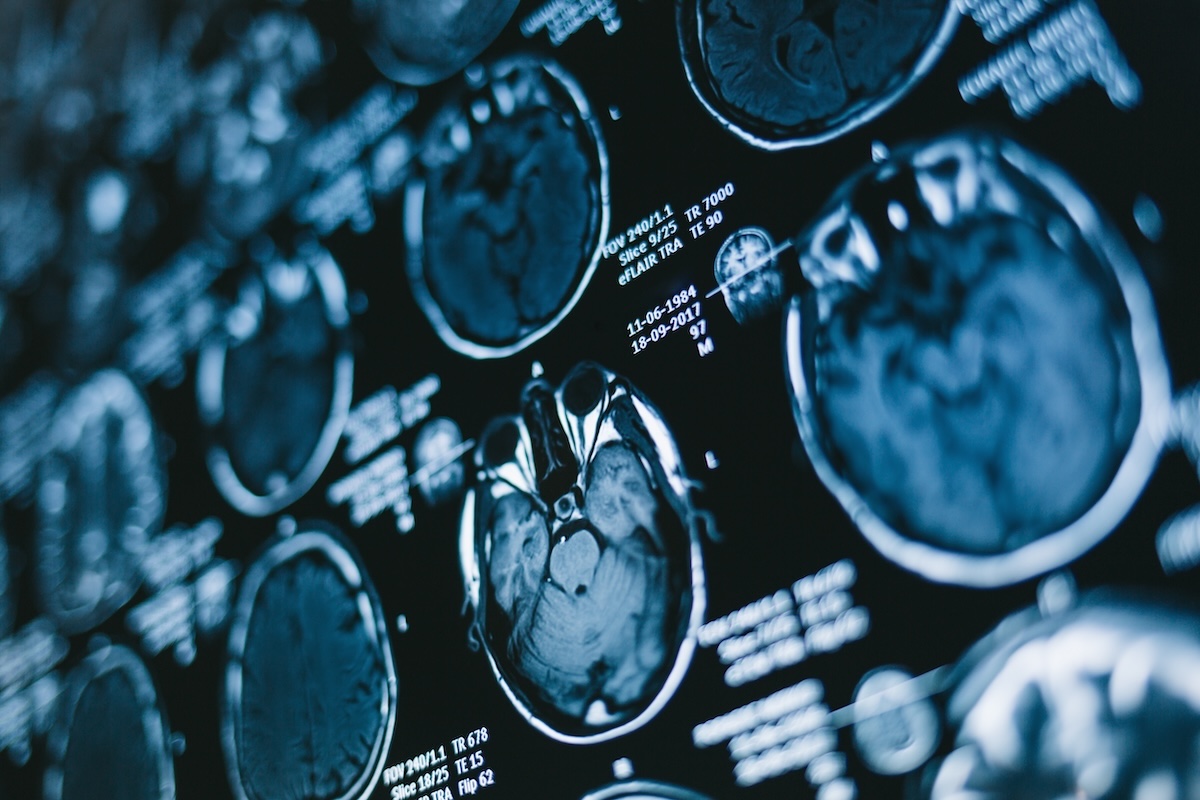
Markers of brain injury are present in the blood many months after COVID-19 infection, despite inflammation blood tests being normal, a new study has revealed. The reseach COVID-19 Clinical Neuroscience Study (COVID-CNS) was led by the University of Liverpool and King’s College London, with support from scientists from the ISARIC4C consortium, The Pandemic Institute and the NIHR BioResource. Professor Benedict Michael is Principal Investigator and Director of the University of Liverpool’s Infection Neuroscience Laboratory and Honorary Consultant Neurologist, The Walton Centre NHS Foundation Trust. The researcher said: “During the COVID-19 pandemic it became apparent that neurological complications were occurring in a significant proportion of hospitalised patients and even in those with mild COVID-19 infection.

Brain injury case management needs regulation and standardisation, shows study
The continual development of brain injury case management is being [...]
US military to trial psychedelics for TBI
The US military is to conduct research and clinical trials to determine whether cannabis and psychedelics can help treat service members with TBI and PTSD.

Families urged to ‘know their rights’ as DHSC publishes new CHC guidance
The new guidelines enable Integrated Care Boards (ICBs) to consider eligibility for a past period of NHS continuing healthcare (CHC), even for those who did not apply, but think they are entitled to funding.

Parkinson’s apathy treatment to begin clinical trials
A novel drug designed to treat apathy in Parkinson's disease patients is ready to begin clinical trials.


