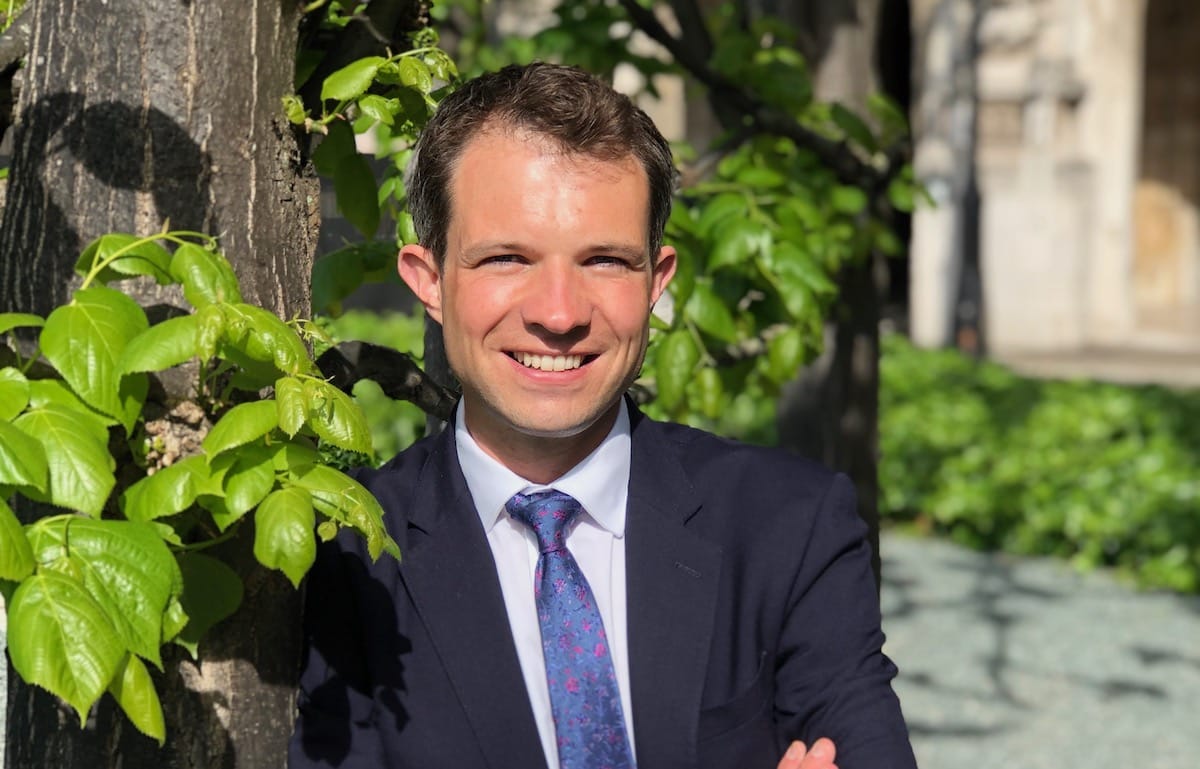
Conservative MP Andrew Bowie is calling for the UK to use the lessons it has learned from COVID-19 and use them for research into dementia.
In May he spoke about the topic to his peers in Parliament as part of a general discussion to mark Dementia Awareness Week.Here the representative for West Aberdeenshire and Kincardine drew upon his own experiences with the disease, with both his grandmothers having battled with it.Bowie said both women went from ‘animated and fun’ people to a shadow of their former selves as dementia stripped them of their personalities.He is now calling on the government to increase funding for dementia research and help lead the way for finding a cure for the disease.
As a former Royal Marine Commando, Troy Johnson has faced many challenges in his life, but his biggest came while he was out on a cycle in May last year.
After a "bad day at work" under lockdown conditions, he went out on his bike to relieve stress.All seemed normal until Troy, 53, noticed a strange feeling in his right arm as he reached down to grab his water bottle.Getting off his bike to retrieve the dropped bottle, his movement seemed off and he struggled to keep his balance.
The Children’s Trust has launched a programme to help education professionals gain a better understanding of how an acquired brain injury (ABI) can affect young people.
The initiative will be used to show teachers and carers the daily challenges each child with ABI faces.Every professional in the education sector can access the programme, which features a number of 30 minute online interactive sessions delivered from a teacher's point of view.
Cycling apparently boomed during last year's lockdowns as frustrated families sought to make the most of their exercise window; and the quieter roads as commuting ground to a halt.
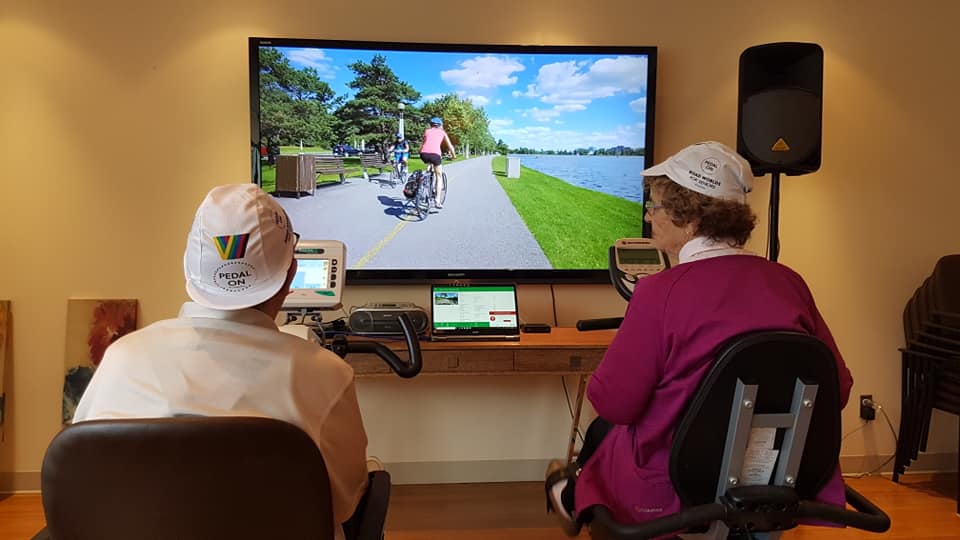
Another cycling revolution, meanwhile, is underway in care homes, as new tech enables residents to unleash their pedal power and experience the open road - albeit on a screen. Motiview, designed by Norwegian firm Motitech, offers users the opportunity to cycle down the streets from their memories, revisit towns they once knew or explore destinations around the world via its video simulation system, all from the comfort of their own chair, using specially adapted exercise bikes
Erin Pollitt suffered a serious spinal injury in her second year of professional dance training.
While practicing a difficult move during rehearsals at the Northern School for Contemporary Dance in Leeds, she fell to the floor and suddenly felt a sharp pain at the base of her spine.She was booked in to see the school’s physio the next day, feeling the full impact of the fall after being unable to walk properly or move as she normally could.
In dementia cases, the instinct to look after and nurture something or someone can be among the last things to leave a person. People with the neurodegenerative condition may hold dolls while in care, for example, as their brain recognises them as objects requiring their care and attention.
While pets can also help to satisfy this need, taking care of them may be too much responsibility for many with the disease. A new solution is emerging, however, in the form of robotic animals.
When it comes to concussion one of the hardest things for clinicians to achieve is a comprehensive diagnosis.
This makes it even harder for those working in contact sports to achieve this, with time usually of the essence when an assessment is made mid-game.Re:Cognition Health is one firm looking to make progress in this area and is doing so through a number of technological innovations.Recently the company has taken a particular focus on creating a device that can diagnose one of the most common conditions brought on by contact sports in chronic traumatic encephalopathy (CTE).
Music lover and folk artist Duncan Whitehurst has been in the music industry for a number of decades now.
He spent much of the 90s enjoying a lot of success with his band The Rain Kings and now plays in his family band Lucky 12.Duncan performs with an acoustic guitar, while his wife Rebecca plays the violin with their son Harry on the drums and friend Jack Deere-Jones on double bass.The group has enjoyed a lot of success in the UK folk scene in recent years, but only came about after Duncan took an extended absence from music.
Leading UK innovation experts have outlined a new roadmap for how the country can help develop groundbreaking treatments for brain disorders through technology.
KTN is calling for a number of million of pounds to be invested into the neuro technology sector to make the UK a world leader in this industry.Those at the company have spent the last two years developing the roadmap which aims to see innovative ideas and devices brought to the market to help alleviate symptoms of conditions like Parkinson’s, stroke, depression and brain injury.Through the use of both pharmaceutical giants and start ups, the plan is aiming to accelerate new technologies to the market and scale them up to make them readily available.
Olympic fever will be hitting the UK soon as the postponed Tokyo games finally get underway next month.
With athletes from around the globe competing in various sports, one couple from Bristol are looking to emulate this in the name of motor neurone disease (MND).Charlotte Nichols and Stuart Bates have set themselves the enormous challenge of completing every event that will take place in this year's games while it is on.From archery to boxing, javelin to hockey the pair will try their luck at every sport this summer to raise money for the MND Association.Stuart had a close connection to this cause, having lost his brother Spencer to the disease.