




New challenges in prevention, clinical care, and research in TBI
Peter Schueler shares the findings of the International Traumatic Brain Injury Research (InTBIR) initiative.
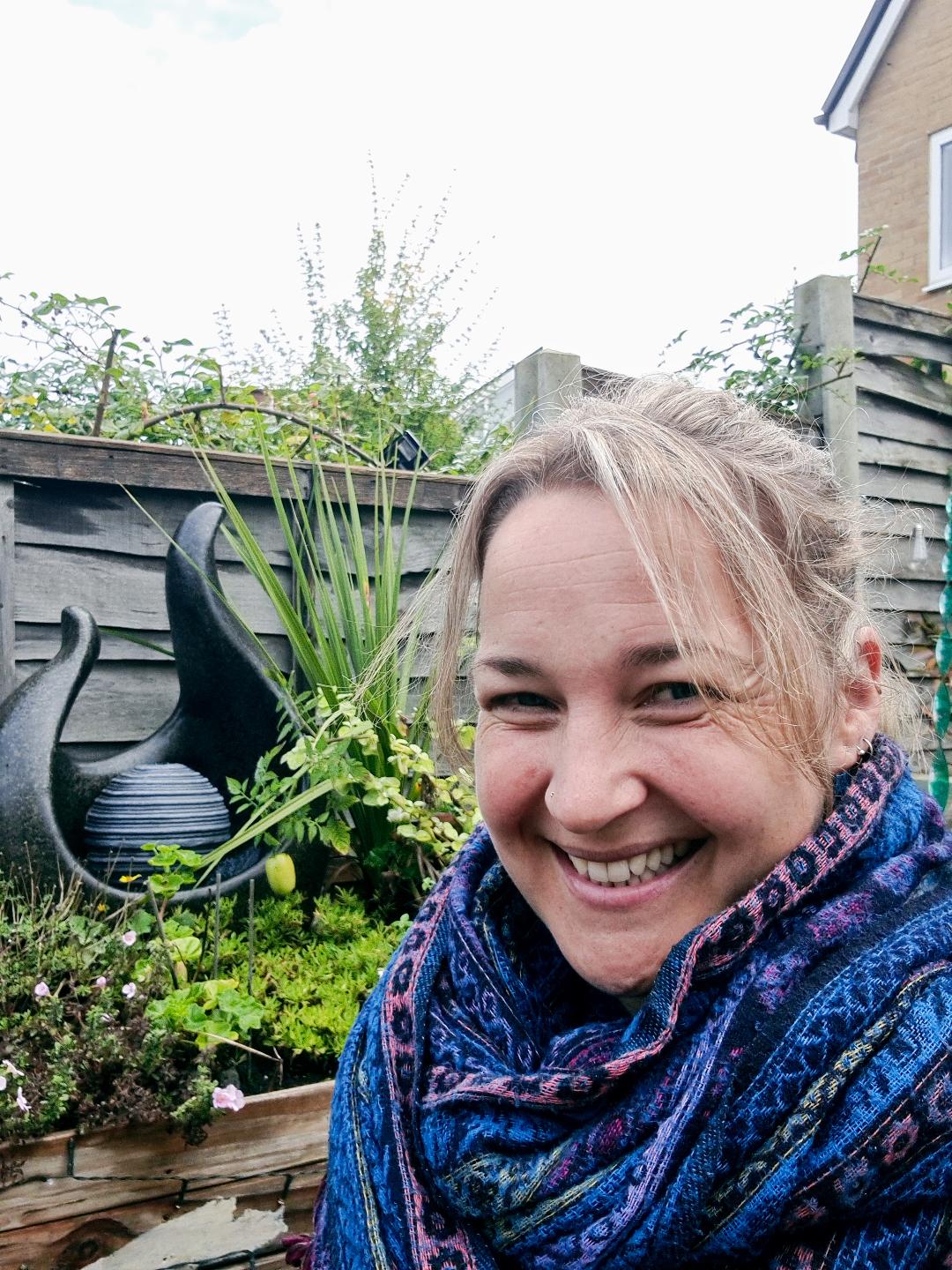
Enter stage left – dramatherapy as a neuro-rehab intervention
Neuro Rehab Times meets dramatherapist Katy Weston, who uses drama to help traumatic brain injury survivors.

Neurologic music therapy in focus
Neurologic music therapy explained by Professor Michael H. Thaut, a Professor of [...]

Why families matter after acquired brain injury
By Dr Alyson Norman, associate professor at the University of [...]

Autism and neuroplasticity – view from the Gulf
Occupational therapist Iriene Johns provides a review of combined physical and [...]

Vagus nerve stimulation: the shortcut to fighting stress
By Vitalijus Majorovas, co-founder of vagus nerve stimulator Pulsetto. If [...]

Why should exercise be an integral part of neuro-rehab?
By Harpreet Kaur, physiotherapist, sports exercise specialist, corrective exercise specialist & REPS certified fitness coach.

The other side of brain injury: Loneliness of the loved one
Karen Grazionale lives on the east coast of the United [...]
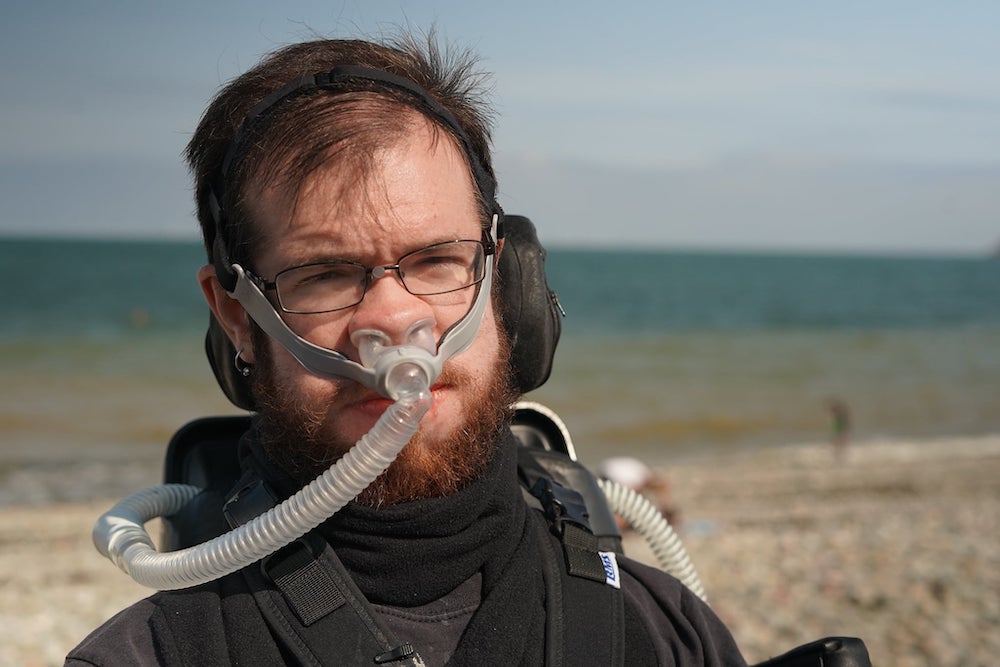
‘Final thoughts’ – Rhys’ story
Rhys Bowler shares his experience as a sex addict who [...]


