





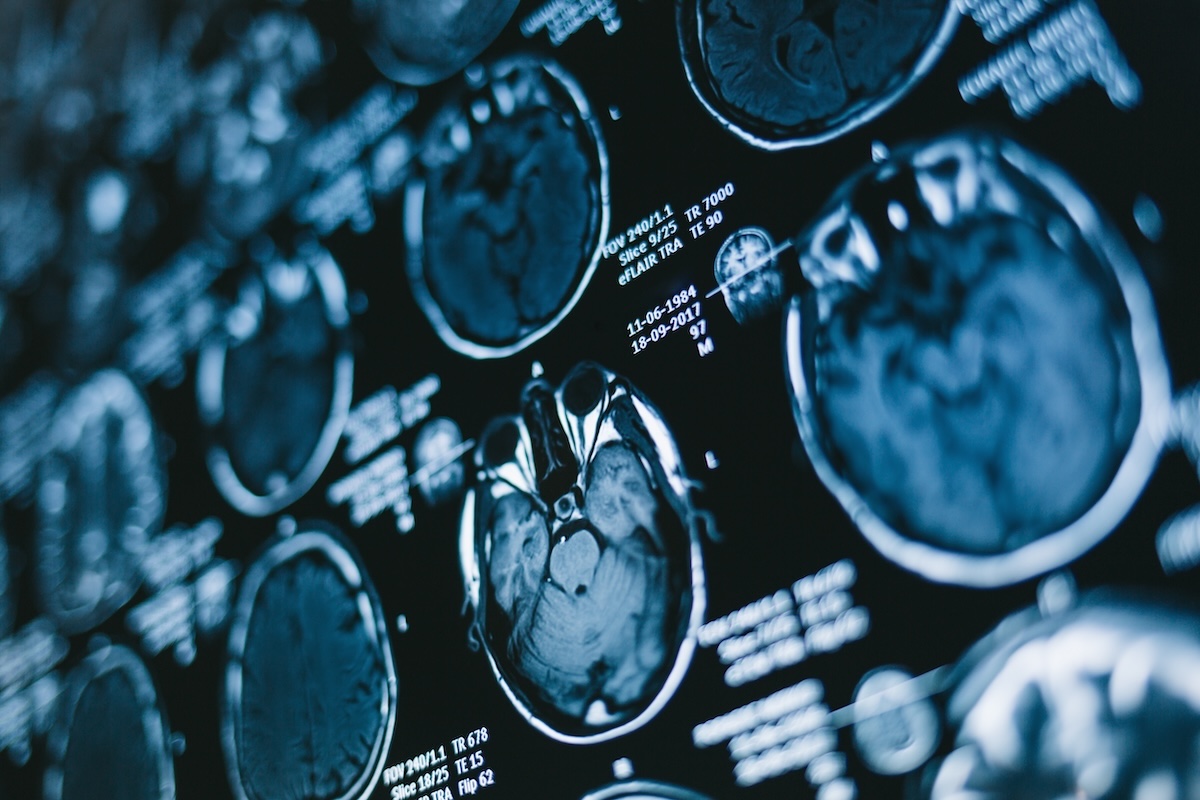
Brain imaging breakthrough accelerates MRI capabilities
International efforts to improve the resolution of magnetic resonance imaging (MRI) for studying the human brain have led to a ten-fold improvement, a study shows.

Interview: Prof Rudi Coetzer on the neuro-behavioural approach to rehab
Prof Rudi Coetzer, clinical director at Brainkind – the UK’s [...]

New CEO at Children’s Trust
The Children’s Trust, the UK-based charity for children with brain injury, has appointed a new CEO.
The Children’s Trust provides specialist rehabilitation, education and community services across the UK to children with brain injury and neurodisability and their families.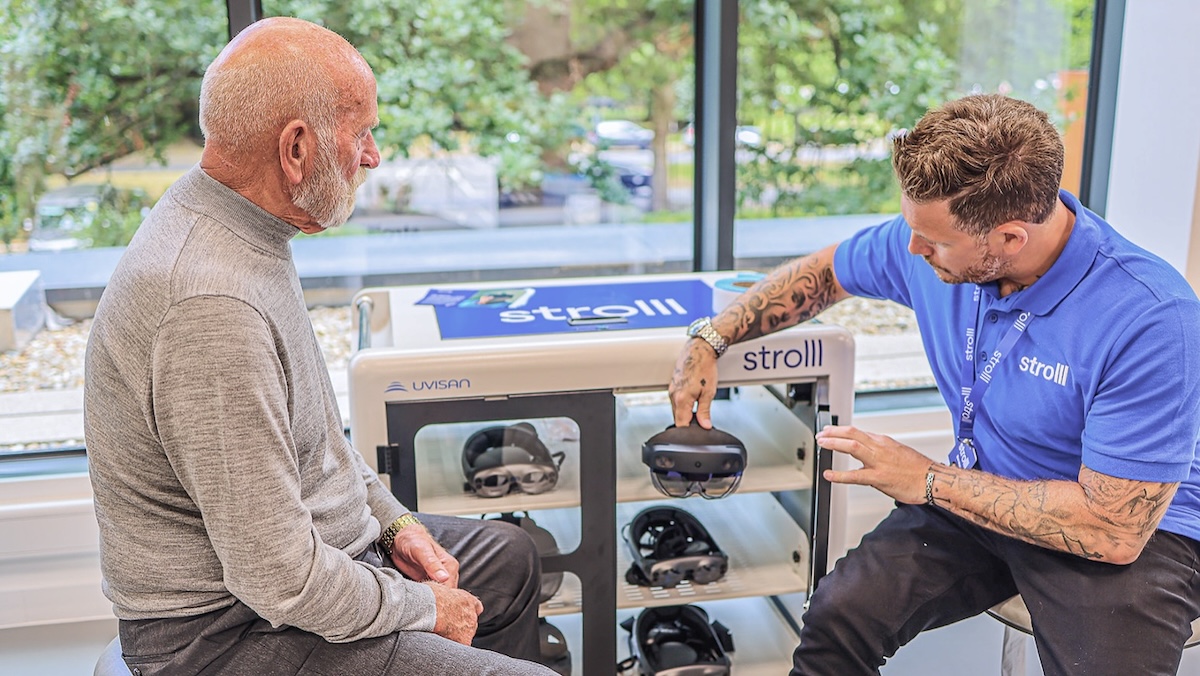
Augmented reality device maker aims to transform neuro-rehab
A device which harnesses augmented reality (AR) to address gait and balance motor issues in Parkinson’s patients could be expanded to also help stroke survivors and people living with MS; following an investment boost.

‘Stark’ findings reveal scale of brain injury among domestic abuse survivors
Up to one in two survivors of domestic abuse in the UK may be living with an undiagnosed brain injury, according to new research from Brainkind.
A new study conducted by Brainkind aims to shine a light on the prevalence of unrecognised brain injuries among domestic abuse survivors in the UK. In a new paper due to be published this month...
‘Every second matters’ – the critical role of AI in stroke care
With its AI-based care coordination platform, Viz.ai is transforming stroke care by making every second count. Senior director of clinical strategy, Dr Prem Batchu-Green, speaks to NR Times Viz.ai uses artificial intelligence to help clinicians make the correct diagnosis and communicate this with the relevant people within seconds. Using data from hospital systems, such as CT scans, echocardiograms, MRIs and electronic health records, the company’s algorithms are able to detect specific conditions in medical images and then share this with care teams across different hospital systems.


