


Brain injury

New statutory guidance will recognise that survivors of domestic abuse may have sustained an acquired brain injury (ABI) for the first time, it has been revealed.
Consideration of brain injury will be made as part of the Domestic Abuse Bill, currently being debated by the House of Lords. Domestic abuse protection orders - designed to protect victims from all forms of domestic abuse - will now consider ABI as part of the range of needs any survivor may have. Where police are attending a call out to a domestic incident in the community, they could be accompanied with, or shortly after visited by, an Independent Domestic Violence and Abuse Advisor who would be able to offer expert support to the survivor, including in relation to ABI.
England manager Gareth Southgate has committed his support to efforts to establish potential links between neurodegenerative disorders and former professional footballers.
The England manager will take part in one of the FA-backed studies, and has encouraged other ex-players to follow his lead, to enable critical research to take place. The potential link to neurodegenerative disorders is being explored in independently-led research studies, which are examining former professional footballers for early signs of neurocognitive degeneration.
A link has been established between gut disease and brain injury in premature babies.
In a landmark study, the way by which necrotizing enterocolitis (NEC) - a potentially lethal inflammatory condition that destroys a premature infant's intestinal lining - is linked to the brain has been discovered for the first time. Working with mice, researchers at Johns Hopkins Medicine and the University of Lausanne in Switzerland have identified an immune system cell which travels from the gut to the brain and attacks cells rather than protect them as it normally does. Statistics show that as many as 12 per cent of babies weighing under 3.5lbs at birth are affected by NEC, a rapidly progressing gastrointestinal condition in which bacteria invade the wall of the colon and cause inflammation that can ultimately destroy healthy tissue. If a hole is created in the intestinal wall, bacteria can enter the bloodstream and cause life-threatening sepsis.
The world’s first rapid handheld blood test for mild traumatic brain injury (TBI) has been given clearance by US regulators, it has been revealed.
The device, developed by Abbott, will help detect injuries including concussions, and will help clinicians determine if further assessments, including a CT scan, are necessary. A blood sample will be taken from the patient, with plasma drawn and applied to the test’s cartridge, with results being delivered a short time later. Millions of people worldwide sustain mild brain injuries each year, with Abbott estimating five million in the US alone are affected, and to which its new test could be relevant.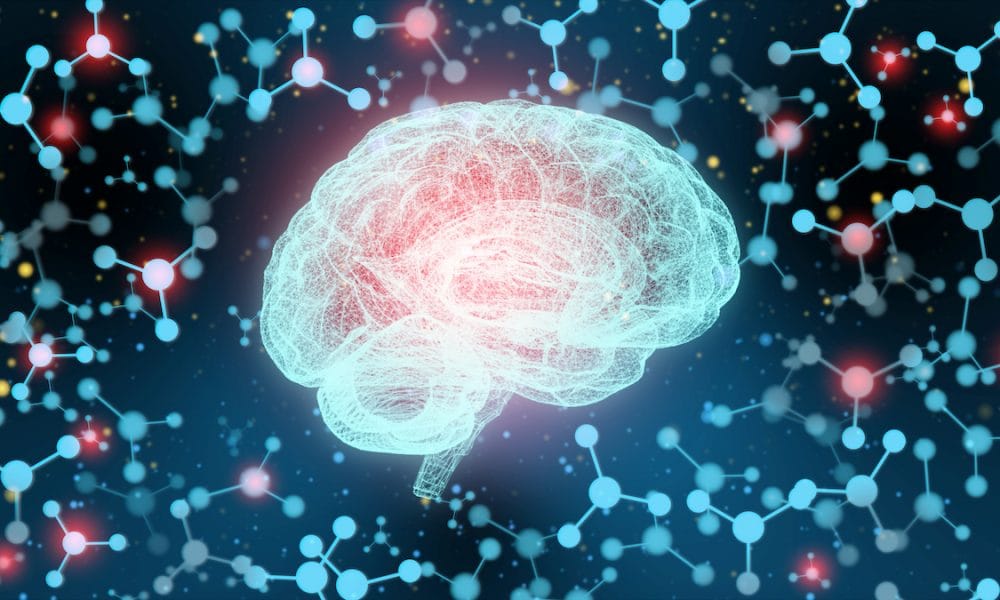
The force exerted on the brain during traumatic injury is linked to damage years after the initial event, research has revealed.
Findings of the new study have been hailed as having the potential to predict the severity of brain injuries and help influence new approaches going forward, particularly in the field of sport. TBI has a number of immediate impacts, including physical effects like unconsciousness and bleeding, alongside the ‘hidden’ symptoms of memory loss, mood and personality changes, which may take much longer to develop.
Years of campaigning for concussion substitutions to be introduced into football look set to deliver some success, with Premier League clubs preparing to adopt the policy to help address the need to protect players from the effects of head injury.
In a trial move, expected to take effect from fixtures next week, teams can use up to two substitutes in the event of head injuries, which will be in addition to the usual three substitutions that can be made in a normal match. The substitutions - which will be permanent and not for 10-minute durations as in rugby, to allow for players to leave the pitch for medical assessment and return if deemed able - are expected to be approved at a meeting of the Premier League tomorrow.
Two significant events in neuro practitioners’ calendars have been delayed until later in the year, as the effects of the COVID-19 pandemic continue to be felt.
The National Paediatric Brain Injury Conference, which was already revised from an in-person to online event, will now not go ahead as planned in February due to the continuing demands on frontline healthcare professionals as COVID-19 cases continue to rise and the country is plunged back into lockdown.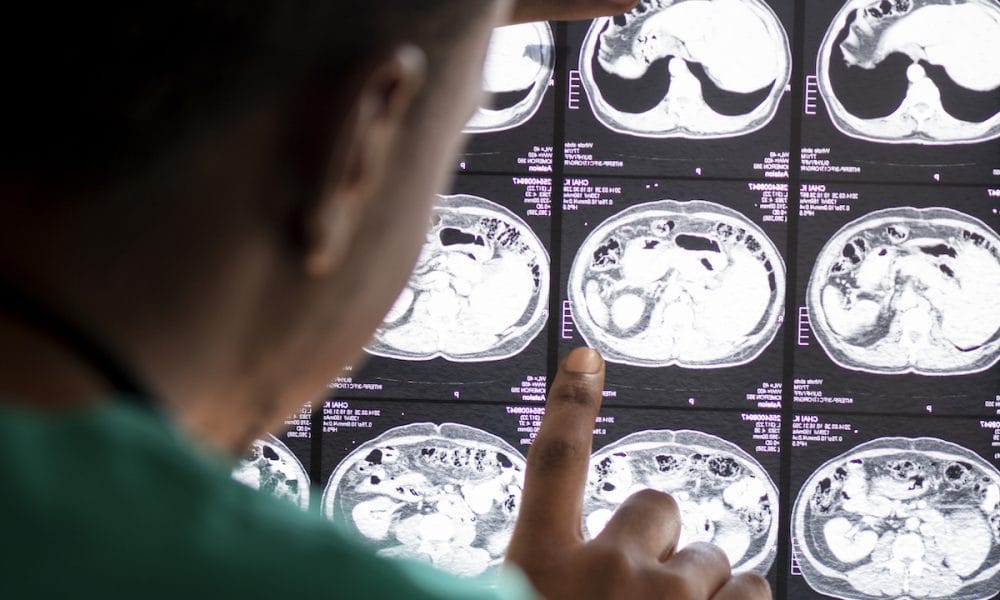
Brain cancer could be triggered by the healing process from a brain injury, new research has said, in findings which could yield new breakthroughs in patient therapies.
The tumours of 26 patients with glioblastoma were analysed in the Canadian research project, and found that mutations can affect the process of new cells being created, which can therefore stimulate tumour growth. “Our data suggests that the right mutational change in particular cells in the brain could be modified by injury to give rise to a tumour,' says report author and neurosurgeon Peter Dirks, from The Hospital for Sick Children in Toronto. “Glioblastoma can be thought of as a wound that never stops healing.
Growing demand is expected from people with brain injuries and neurological conditions in accessing support with mental health, Long COVID and employment rights, a specialist charity has revealed.
The Brain Charity has seen a 70 per cent increase in demand for its services from people across the country during the pandemic, a level it believes will grow further still as the effects of the pandemic continue to impact. In response, the charity has vastly increased its support network nationally, taking many of its in-person group sessions online, enabling people to participate from well beyond its Liverpool base.
A condition that causes loss of vertigo perception and imbalance has been diagnosed in traumatic brain injury patients for the first time, which could yield breakthroughs in the development of new treatments and diagnostic tests.
Of 37 patients with acute traumatic brain injury (TBI) involved in the study, 15 were diagnosed with a newly - characterised neurologicaldiagnosis called vestibular agnosia - a condition in the brain which results in loss of vertigo perception and imbalance. The impact of such a condition is shown through statistics which reveal TBI patients with balance problems are twice as likely to be unemployed six months after their injury, compared to those without balance dysfunction.


