



Community neuro rehab
Rehab at home and in the community.
 Community neuro rehab17 Mar
Parents have been able to interact with their children in new ways through the introduction of music therapy into the home during lockdown, according to one business which has overseen remote sessions.
Prior to the pandemic, ELM Music Therapy worked widely in schools and with charities across the North East of Scotland, supporting children with neurological conditions and other disabilities with their development through harnessing the power of music. But as of March last year, ELM has taken all of its sessions online, also making use of YouTube to deliver content to the children it would ordinarily teach in person.Prior to the pandemic, ELM Music Therapy worked widely in schools and with charities across the North East of Scotland, supporting children with neurological conditions and other disabilities with their development through harnessing the power of music. But as of March last year, ELM has taken all of its sessions online, also making use of YouTube to deliver content to the children it would ordinarily teach in person.
Through community speech and language therapy continuing even during the height of lockdown, many patients received a “massive boost” from the progress being made in regaining or maintaining their communication and swallowing abilities.
While many therapies were stopped or conducted remotely, speech and language therapy (SLT) continued in-person throughout the pandemic, supporting people in their recovery from brain injury or stroke, as well as working with those with progressive neurological conditions.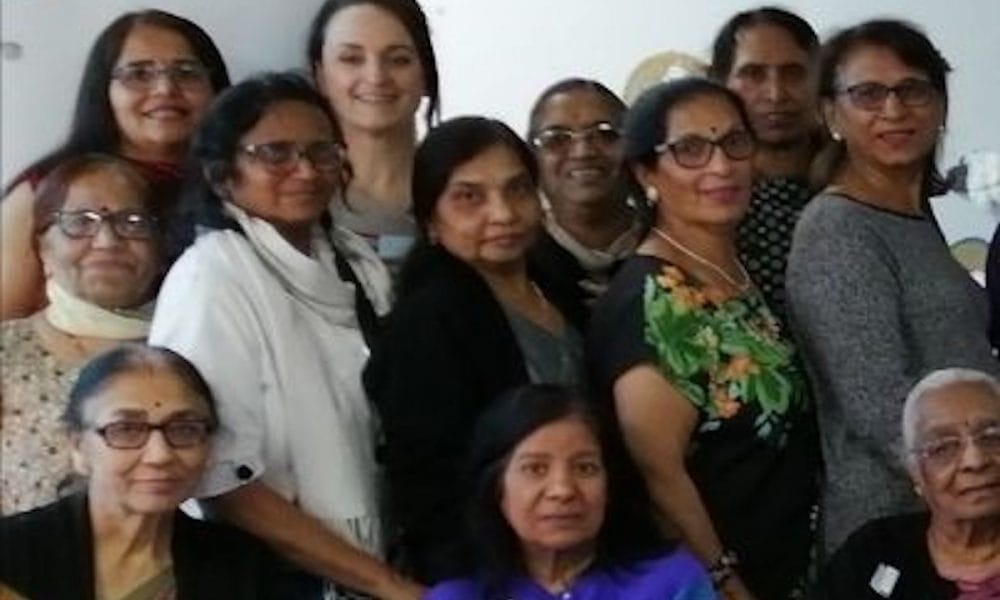 Community neuro rehab26 Feb
A music group established to support people living with dementia, memory loss and brain injury has received funding to launch an online project for the South Asian and BAME community.
Leicester Musical Memory Box (LMMBox) was founded in July 2018, and since that time has grown from one group in the city to six, providing interactive music sessions for people of all ages and backgrounds, including a group specific to the South Asian community. The group - which has two staff members who are fluent in Gujarati, Hindi, Punjabi and Urdu - aims to provide the local community with a supportive network and a safe space to explore the unique challenges that a brain injury may bring to individuals, as well as their families and carers. Community neuro rehab18 Feb
Having set up in private practice 22 years ago, SP Therapy Services has watched a burgeoning sector grow around it. Here, founder Susan Pattison shares her views on its progress, and why community rehab has an ever-increasing role to play.
“We’re no longer a child who is complaining without a strong voice - we’ve grown up into the teenager who can articulate themselves.” Susan Pattison’s analogy of the specialist neuro sector is an interesting one. From setting up in business in the very early days of development for private practice 22 years ago, she has watched a thriving industry grow up around her. “When I first set up in business, it was said many times I was like gold dust,” she recalls.
A brain-related visual impairment may affect one in every 30 children, new research has revealed.
In a study of Cerebral Visual Impairment (CVI), which was thought to be rare, University of Bristol researchers have found it is more commonplace than previously accepted. The study, funded by the National Institute for Health Research (NIHR), investigated how many school-aged children may have undiagnosed brain-related vision problems. Information was collected about 2,298 children aged five to 11 across 12 schools using teacher and parent questionnaires. They invited over ten per cent of the children (262 pupils) for a detailed assessment using validated tests to identify children with brain-related visual problems suggestive of CVI.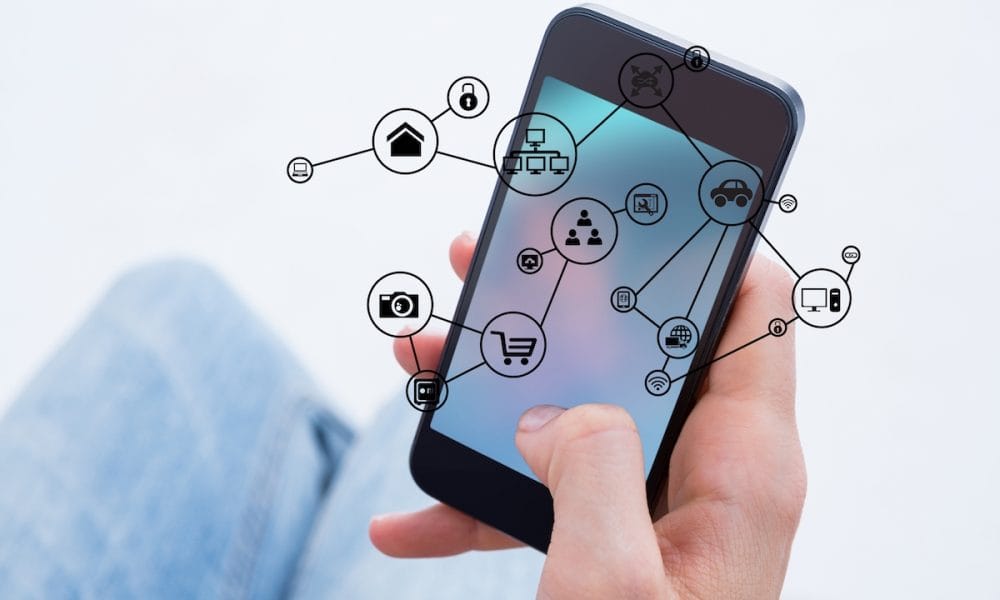 Community neuro rehab27 Jan
A medical centre has become the first in the world to adopt technology to alert them to a disabled person’s visit before they arrive, ensuring they are fully prepared for their arrival and can offer the best possible standards of customer service.
Charter Medical Centre in Hove has become the first of its kind to use the WelcoMe app, which makes use of pioneering technology to enable people with disabilities, including brain injuries and neurological conditions, to tell businesses and venues when they intend to visit their premises. Community neuro rehab21 Jan
Katie Pinn, Senior Cognitive Rehab Assistant at BIS Services.
My week really starts on a Sunday as this is when I plan my upcoming week, I check to see if any clients have appointments during the week, what goals we are working on, where we are in each and make sure there's lots of variety within sessions. My first client on a Monday I must check in on their well being, ascertain level of productivity over the weekend and schedule the new week. This particular client I've had to provide with much support due to shielding during both the 1st and the second lockdown. Long COVID22 Dec
The Queen’s Nursing Institute has published a resource for community nurses caring for people living with Covid-19.
Commissioned by NHS England and NHS Improvement, the resource is called ‘Living with Covid-19 (Long Covid) and Beyond’. It provides information to support nurses working in community, care homes and primary care and also to the wider multi-disciplinary team including clinical knowledge, care responses and skills when caring for people during their recovery and rehabilitation. It is predicted that there will be a ‘new wave’ of physical, mental and emotional health challenges as individuals enter recovery from Covid-19 infection – and for some this is combined with issues resulting from the social and economic impact of lockdown, such as isolation and unemployment.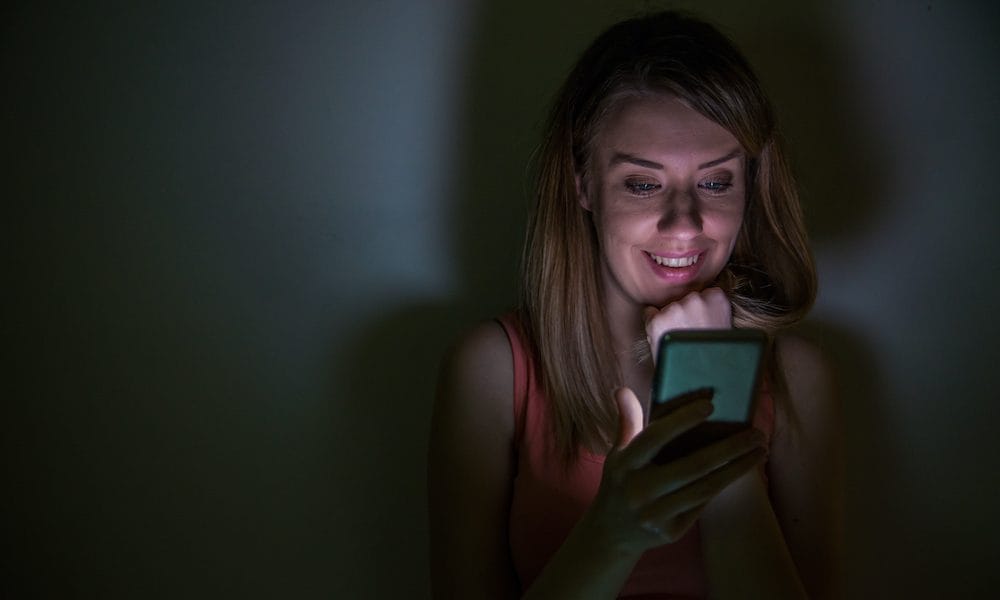
Eky Popat, of BIS Services, on supporting people with brain injury in the daunting world of online dating.
Isolation, loneliness, lack of social interaction and intimacy – the social norm following the Pandemic, right? Even more so for the vulnerable like individuals living with a Brain Injury living independently in the community. The dating scene has always been an extremely daunting and challenging step with individuals battling loss of self, low self-esteem, and then on the other side of the spectrum egocentric, inappropriate behaviours, and disinhibition. What this pandemic has quickly shown us is that social interaction and relationships - what seems a distant memory is the backbone of a sense of belonging. Community neuro rehab12 Nov
Natalie Mackenzie, of BIS Services, has worked with 'James' since 2002. In fact, he was one of her earlier clients in her career. She is immensely proud of the challenges he has overcome; not all of the effects of the accident have been surmounted, but none the less he has exceeded many expectations of medical professionals, with a will of iron and an exceptional talent that is finally being acknowledged. Here she shares the experience.
James is not defined by his brain injury, but his experiences and the challenges of his TBI have moulded his work and the individual we now see. As we are all aware, living with a severe TBI is a lifelong journey, and I still support Jim in the community, and have continued to do so whilst he has travelled around the world, through the now ‘normal’ virtual rehabilitation.
I have watched his art bring meaning and focus to his daily life, encouraging a motivation and structure that is always needed for individuals like James managing their cognition. Although there remain issues with some areas of function, James has learnt, consolidated and implemented a toolbox of strategies that support him to pursue his passion and bring joy to others.
It has been a pleasure to work with someone as driven as James, and I have seen him take a turbulent journey through his recovery, which I am sure many professionals in the field can relate with.


