



Community neuro rehab
Rehab at home and in the community.
 Brain injury16 Jun
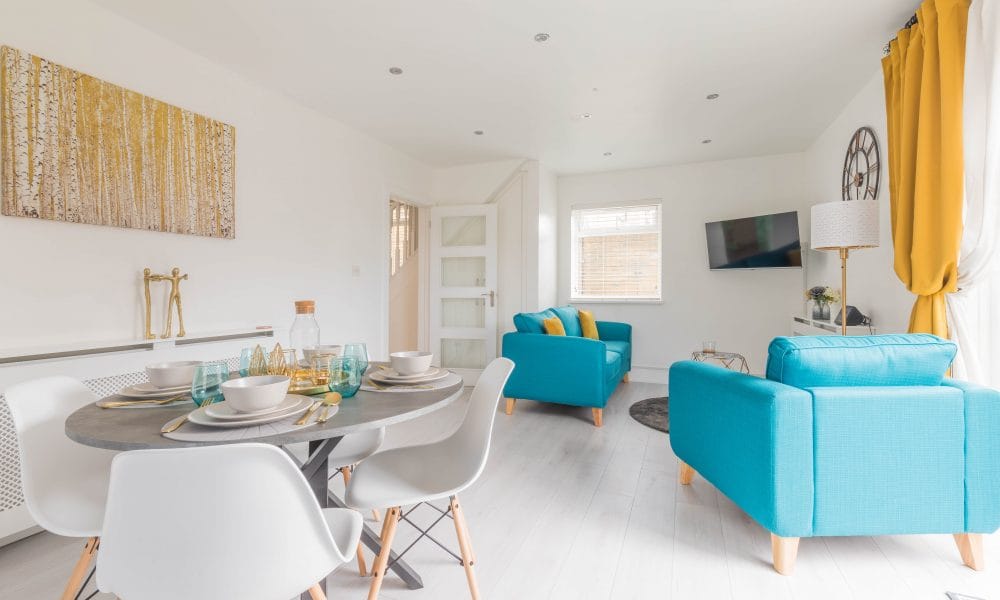
A first-of-its-kind house has been created for people with brain injuries, using the latest in technology innovation to support them in their return to living independently.
The Link is a pioneering project designed to bridge the gap between acute medical settings and return home, or to allow for a period of independent living, which uses assistive, smart and strategy technology to enable residents to live autonomously thanks to the ‘hidden’ support within the building. The purpose-built house, in Snodland, Kent, is a unique innovation from BIS Services, which has been meticulously planned for over three years. It offers a solution to people who are set to move back into the community but want to live in somewhere that feels like home during their transition, rather than a multi-occupancy unit, while not compromising on levels of support. But while they are able to live independently, they have the benefit of round-the-clock subtle monitoring, with observations of skill, patterns of behaviour, independent motivation and initiation, all of which can be graded and reduced where appropriate, allowing for maximum safety whilst increasing positive outcomes.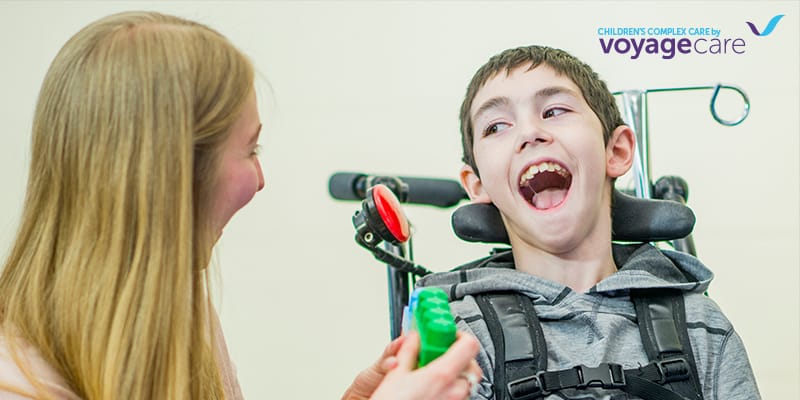
A specialist children’s care provider is rebranding and expanding its service offering.
Focused Healthcare has become Children’s Complex Care Limited, which will build further on its work in supporting children and young people aged up to 25 with complex care needs in Greater London and the surrounding counties. Its nurse-led, personalised care at home service enables young people to live with their families in their own communities, and supports them in doing so. The rebrand also creates the opportunity to expand service offering, with the business speaking of its aspirations to create a specialist children’s autism offering and the development of a unique child to adult services transition pathway in the future.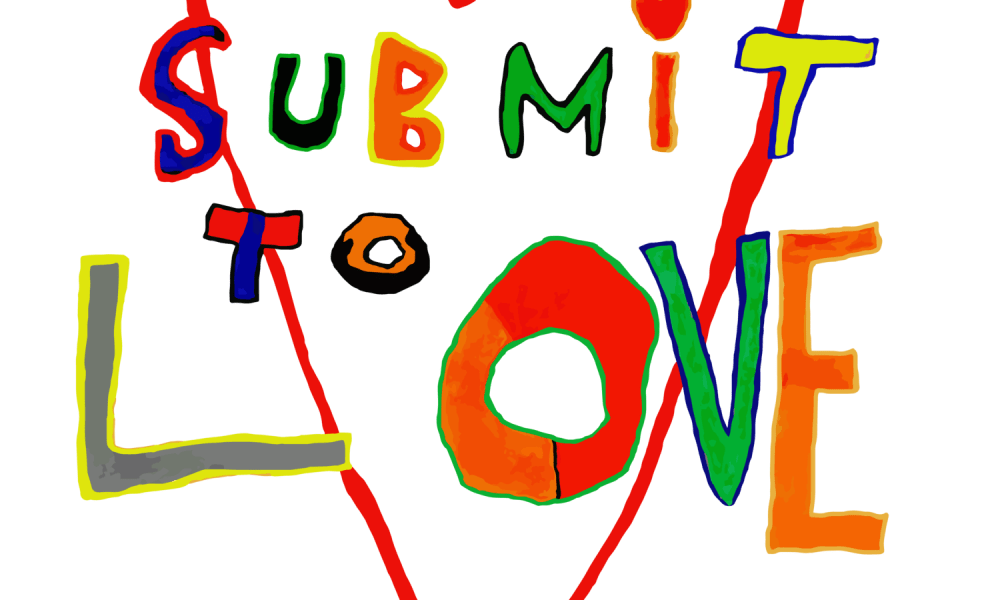 Community neuro rehab27 May
By engaging brain injury survivors in art, Submit to Love is supporting them to rebuild their lives, whilst also uncovering hidden or forgotten talents. NR Times learns more about he East London project which is enabling people to submit to the love of art
“In a strange way, disability has freed me up to express myself in my art, and no longer care what others think. I have been forced by disability to come to terms with living in a less than perfect body in a less than perfect world.” For Chris, a 68-year-old retired science teacher and youth and community worker, art has enabled him to accept his new self.
  Stroke19 May
Stroke survivors have improved their ability to communicate and use their non-dominant hands through a new initiative in which artwork was inspired through sound.
The Seeing Sound project brought together people with aphasia, a language impairment caused by damage to the left side of the brain, usually as a result of a stroke. Over five sessions between November 2020 and February 2021, the 17 participants - service users of London charity the Free Space Project and Liverpool-based The Brain Charity - created dozens of artworks in response to sounds. The clips, released as part of the British Library’s Unlocking Our Sound Heritage project, included the songs of chaffinches and tawny owls, streams running through woodland, the babble of seaside piers and even the mating call of a male haddock. Community neuro rehab13 May
Reflecting on the recent ‘Recovery and Rehabilitation in The Community: Alcohol Related Brain Injury in Ireland’ event, senior clinical psychologist Dr Nichola Robson shares her analysis for NR Times It was a pleasure to listen to some of the leading professionals talk about alcohol related brain injury (ARBI), a condition arguably encountered in most [...]

Help for Heroes has become known and loved throughout the UK for its central role in supporting injured service men and women rebuild their lives as they return to civilian society. NR Times speaks to its head of clinical services, Carol Betteridge, to find out more about its life-changing work.
When service men and women sustain injuries - whether physical or psychological - frequently a main supporter in their recovery is Help For Heroes. The charity has supported more than 25,000 people to date, including those who have sustained some of the most serious, complex and life-changing injuries imaginable in conflict. Currently, the charity is working with 21 of the most critically injured UK service personnel in supporting them to rebuild their lives as people with complex injuries in a civilian world. And enabling them to move on with their lives is what Help For Heroes is committed to achieving, enabling access to the bespoke support and rehabilitation they need to do that. Community neuro rehab20 Apr
By engaging clients in goal-centred rehab, which begins at the earliest stage possible, strong outcomes can be achieved in both their physical and mental health, says Kate Sheehan. NR Times meets the occupational therapist whose person-centred approach was recently seen in ITV’s Finding Derek documentary, in her work with the family of TV presenter Kate Garraway
The photo of the woman skiing with her daughter is one Kate Sheehan will always remember. “Got there. Thank you,” read the accompanying message.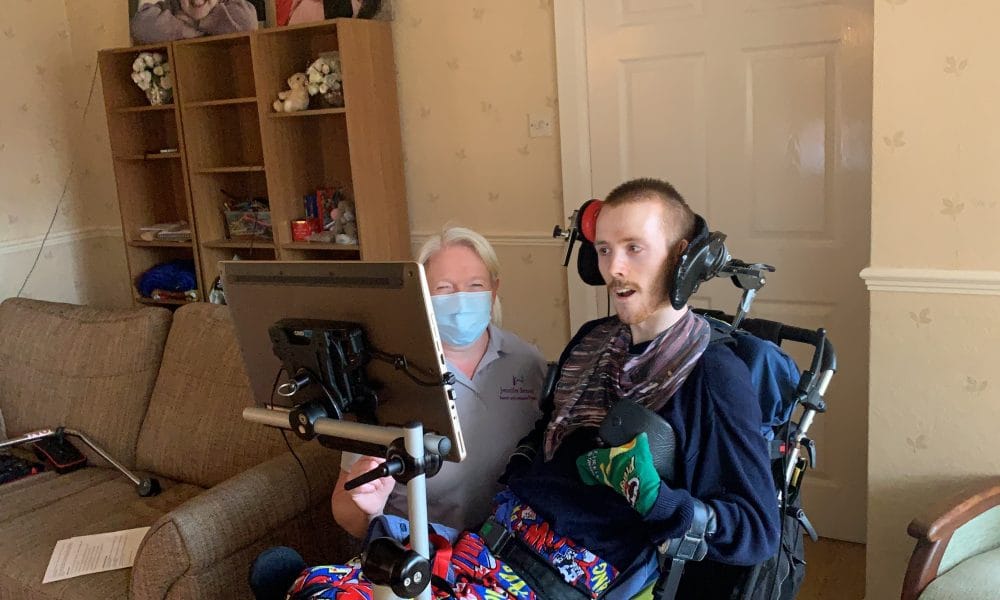 Community neuro rehab15 Apr
With the #avoiceforrichie campaign to enable Richie Cottingham to have his own voice capturing the hearts of the nation, NR Times meets the woman who made it possible - speech and language therapist Jennifer Benson
Having had the same vocabulary package for his communication aid since school, Richie Cottingham was well overdue a change. Being reliant on assistance with speaking from the earliest age, Richie - a 26-year-old with Cerebral Palsy - had become used to the generic ‘American’ accent he spoke with, not believing there could be an alternative. But as part of the change in his communication package - which came through an overhaul of his wider multi-disciplinary team - Richie met Jennifer Benson, his new speech and language therapist.
Young adults with disabilities are being supported in understanding and articulating their feelings, enabling them to increase confidence in themselves and their abilities, through a new innovation from two specialist neurorehab providers.
MyAbility was developed to enable young people to better understand their disabilities and express themselves, while allowing parents and carers to learn more about ways they can support them in doing so.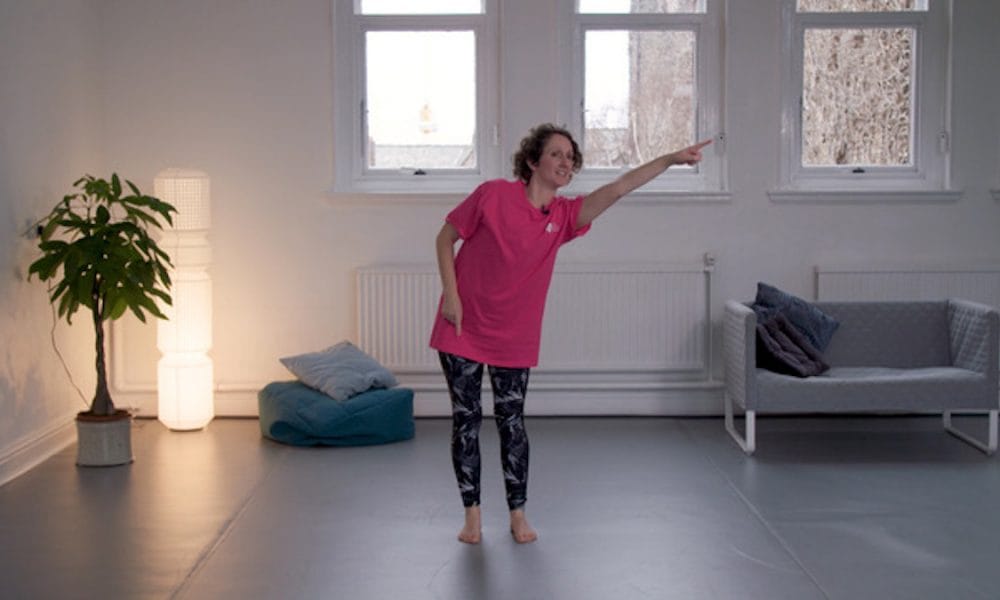 Community neuro rehab23 Mar
Iconic songs are helping people living with dementia use their love of music to rediscover how to sing and dance.
The Music Makes Us! project combines singing and dance lessons with speech and language therapy and physiotherapy, and has engaged hundreds of people with dementia to use their love of music to re-learn lost abilities. As well as seeing participants who couldn’t talk begin to sing to The Farm’s ‘All Together Now’, others with severe mobility problems began to dance to The Beatles.


