



Concussion
Sports and mild traumatic brain injury.
 Brain injury4 Sep
US House Oversight Committee leaders are demanding answers from the US Navy about traumatic brain injuries among aviators, accusing the service of neglecting pilots’ health. In a letter to Navy Secretary John Phelan, lawmakers requested documents on brain injuries, cognitive dysfunction and mental health issues affecting F-18 pilots, warning that no full investigation has been [...]
 Brain injury26 Aug
A study of over 75,000 people has found that moderate-to-severe traumatic brain injury (TBI) is linked with a higher risk of developing malignant brain tumours. Researchers analysed data from 2000 to 2024 and found that 0.6 per cent of patients with significant TBIs – injuries caused by external force to the brain – developed tumours [...]
 Brain injury18 Aug
A world-first Perth-developed drug is showing promising results in protecting the brain after concussion. The neuroprotective treatment ARG-007 may limit harm from head injuries, potentially reducing the long-term effects of traumatic brain injury. The drug is a small peptide given intravenously, enters the brain and protects neurons from damage following trauma. Peptides are [...]
 Brain injury11 Jul
Denmark manager Andrée Jeglertz has urged referees to stop play immediately when players suffer head injuries, following a controversial incident in his team’s Euro 2025 defeat to Germany. Jeglertz questioned referee Catarina Campos’s decision to allow play to continue after Denmark midfielder Emma Snerle was struck in the face by the ball and remained on [...]
 Brain injury7 Jul
Researchers have begun scanning the first young athletes taking part in a new study using advanced brain imaging to explore the effects of head injuries in 11 to 18-year-olds. The study aims to understand why some children recover worse than others after a head injury, even when routine scans such as computerised tomography (CT) appear [...]
 Brain injury3 Jul
Two new studies have found no cases of early-onset dementia in 200 former professional rugby players, but revealed biological and structural brain changes linked to increased long-term risk. The research involved retired male and female players aged 30 to 61, and identified raised levels of biomarkers associated with neurodegeneration, despite no clinical diagnoses of dementia. [...]
 Brain injury27 Jun
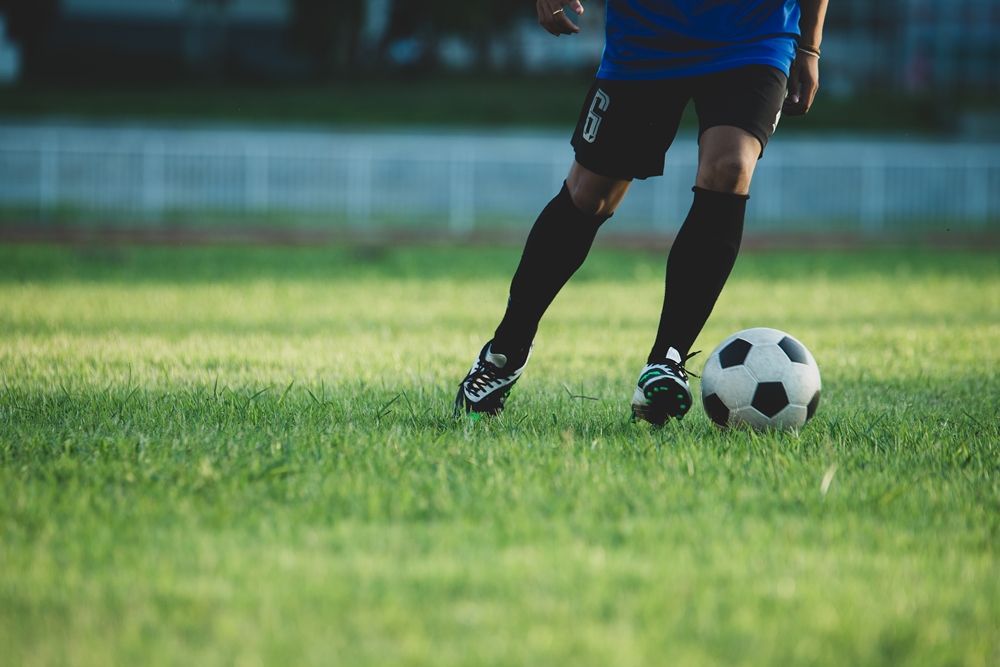
A High Court hearing has been told that there exists no "safe threshold" for the number of times football players can head the ball; as part of ongoing legal proceedings involving former players seeking compensation for alleged brain injuries sustained during their careers. Legal representatives for 33 ex-footballers and their relatives argue that even if [...]
 Brain injury10 Jun
Organisers of a viral full-contact sport are offering US$200,000 in prize money for their next event, despite warnings from a neuroscientist and concussion expert about the dangers of the social media-driven challenge. The RUNIT Championship League announced the prize pool in an Instagram post on Sunday, just weeks after the death of a 19-year-old in [...]
 Concussion28 May
Grassroots rugby concussion guidelines need to be improved as players’ brains remain altered despite them being symptom free and cleared to play, researchers have found. The University of Essex is the first to follow an amateur club across a gruelling 22-game season using brain imaging technology. The study led by Dr Ben Jones found seven [...]
 Concussion9 May
This blog was written thanks to the expertise of the Brian Barr Solicitors team, including Alex Cohen, Philip Cohen and Steven Akerman, leading experts in compensation claims for chronic pain and serious injury. In our hyper-connected world, where sharing the minutiae of our lives has become second nature for most people, social media has woven itself into the [...]


