



Concussion
Sports and mild traumatic brain injury.
 Concussion8 Dec
Concussion history predicts long-term health risks in former NFL players better than years played or position, new research suggests. A study of more than 1,500 former players found that two commonly used ways to estimate head injury risk were not linked to poorer long-term physical or mental health. Researchers say directly assessing a player's concussion [...]
 Brain injury21 Nov
Researchers will study headbutting rams to learn how repeated head blows cause brain injury in sportspeople and family violence victims. The research could help identify what makes head blows lead to long-term brain conditions for some people while others remain healthy. Dr Helen Murray from the University of Auckland’s Centre for Brain Research received NZ$283,000 [...]
 Brain injury14 Nov
Researchers have built a low-cost tabletop device that generates pressure waves to study traumatic brain injury without using animals. The apparatus uses PVC pipe, aluminium and ice lolly sticks to simulate blast impacts that can cause neurodegeneration. Four University of Rhode Island researchers developed and tested the kit, pairing molecular biologists with mechanical engineers to [...]
 Brain injury12 Nov
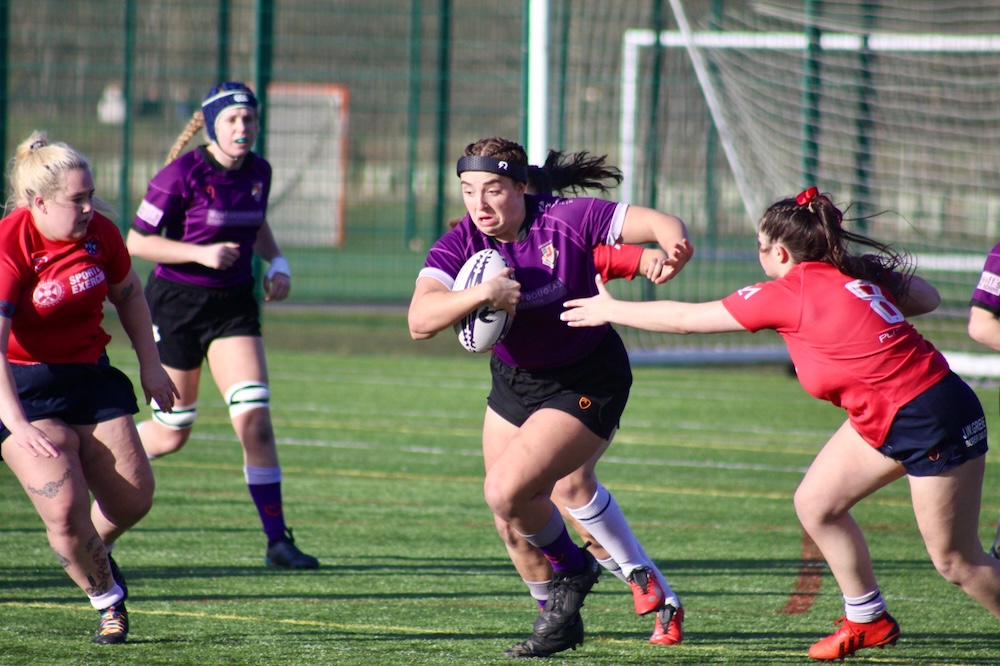
North East sports safety company Rezon has launched a £1m crowdfunding round to speed up international expansion of its concussion-reducing headband. The firm's flagship product, Halos, is a CE and UKCA certified protective headband designed to reduce concussion and sub-concussion risk in contact and collision sports. Sub-concussive impacts are smaller repeated blows to the head [...]
 Brain injury11 Nov
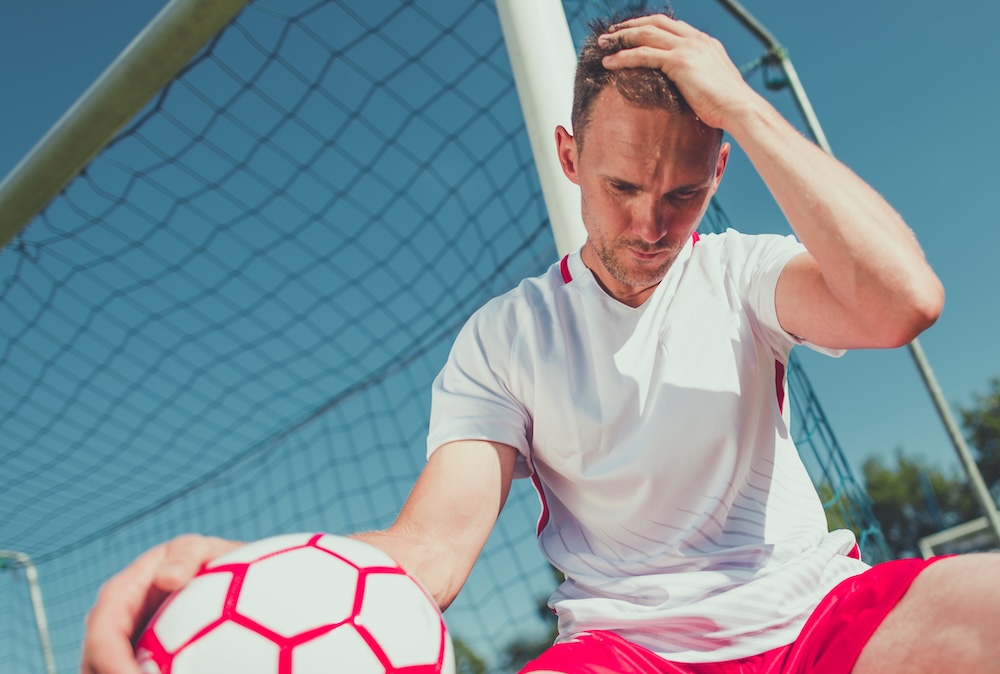
A brain injury charity has criticised the Premier League for ignoring temporary concussion substitutes after two Bournemouth players clashed in a 4-0 defeat to Aston Villa. Adam Smith and Tyler Adams clashed heads at speed early in the 4-0 defeat, with only Smith substituted while Adams completed the full 90 minutes. Headway UK said the [...]
 Stroke22 Oct
NR Times explores the latest business and pharmaceutical developments in the world of neurorehabilitation. New partnership to distribute of MedRhythms devices for stroke and Parkinson’s Neurorehabilitation company MedRhythms has entered a strategic partnership with Edwards Health Care Services (EHCS), a leading provider of direct-to-home medical products. The partnership enables nationwide distribution of MedRhythms' currently available [...]
 Brain injury21 Oct
Current brain injury assessment tools fail to consider the effects of hormonal changes during menopause, potentially delaying recovery or increasing symptom burden in women, new research suggests. This omission may result in missed diagnoses, poor risk assessment and inadequate treatment for menopausal women recovering from TBIs. Researchers from the University of Florida College of Public [...]
 Concussion3 Oct
Vision therapy helped nearly 90 per cent of young concussion patients see normally after 12 weeks, compared with under 10 per cent who only monitored their symptoms in a recent study. The study enrolled 106 patients aged 11 to 25 with one or more concussions and persistent symptoms lasting one to six months after their [...]
 Brain injury23 Sep
CTE, a brain condition linked to repeated head injuries in sport, has for the first time been identified in people who had experienced homelessness. Chronic traumatic encephalopathy (CTE) – often linked to boxing, rugby and American football – was detected in post-mortem examinations of people with a history of homelessness, marking the first confirmed cases [...]
 Brain injury19 Sep
New brain imaging shows football heading damages tissue behind the forehead, impairing learning and memory in players. The scans revealed that repeated heading disrupts the boundary between grey matter, which processes information, and white matter, which carries signals – particularly in players who head the ball most often. Researchers scanned 352 adult amateur footballers reporting [...]


