



Condition ›
Dementia
Dementia diagnosis, care and research.
 Dementia14 Jun
Researchers remain perplexed as to what causes dementia and how to treat and reverse the cognitive decline seen in patients.
In a first-of-its-kind study, however, researchers have discovered that cis P-tau, a toxic, non-degradable version of a healthy brain protein, is an early marker of vascular dementia (VaD) and Alzheimer's disease (AD).Their results define the molecular mechanism that causes an accumulation of this toxic protein.Furthermore, they showed that a monoclonal antibody (mAb) that targets this toxic protein was able to prevent disease pathology and memory loss in AD- and VaD-like preclinical models. Dementia11 Jun
Increasing evidence shows that physical activity and exercise training may delay or prevent the onset of Alzheimer's disease (AD).
In older people, aerobic exercise training increases grey and white matter volume, enhances blood flow, and improves memory function.The ability to measure the effects of exercise on systemic biomarkers associated with risk for AD and relating them to key metabolomic alterations may further prevention, monitoring, and treatment efforts. However, systemic biomarkers that can measure exercise effects on brain function and that link to relevant metabolic responses are lacking. Dementia7 Jun
The first new treatment for Alzheimer's disease for nearly 20 years has been approved by regulators in the United States.
Aducanumab targets the underlying cause of Alzheimer's, the most common form of dementia, rather than its symptoms. An estimated 850,000 people live with dementia in the UK - around 100,000 of whom with early stage dementia could benefit from the drug - with the US approval of aducanumab giving hope that it could next be approved here. Aducanumab - which has had a controversial trial period to date - targets amyloid, a protein that forms abnormal clumps in the brains of people with Alzheimer's that can damage cells and trigger dementia, including memory and thinking problems and communication issues. In March 2019, late-stage international trials of aducanumab, involving about 3,000 patients, were halted when analysis showed it was no better, given as a monthly infusion, at slowing the deterioration of memory and thinking problems than a dummy drug. Dementia7 Jun
The COVID-19 pandemic has presented unique challenges for people living with dementia, as well as for those who support them. Tracey Carter, senior quality manager (dementia care) at Exemplar Health Care, shares how colleagues across the company have found innovative ways to support people living with dementia to stay safe and well, and uphold the principles of person-centred care
It’s vital that health and social care workers, other professionals and family carers continue to take a person-centred approach to care during the pandemic, to support people with dementia to maintain, and enhance, their health and wellbeing. Putting people first There are currently around 850,000 people living with dementia in the UK, each with their own unique personalities and life stories. Everyone will experience the pandemic and its effects differently, which is why it’s important to maintain a person-centred approach. Dementia2 Jun
An innovative serious play technology system is supporting people living with dementia with their mental wellbeing and self-confidence.
The Tovertafel is a first-of-its-kind interactive light game system, which enables people with cognitive challenges to play and socialise. It has proved hugely valuable in care home surroundings, encouraging socialisation and enabling those living with dementia to interact through play. With the Tovertafel - which means ‘Magic Table’ in Dutch - people living with dementia can enjoy the myriad of fun and easy-to-play games the system offers, centred around universally-accessible themes like music, art, sport, animals and nature.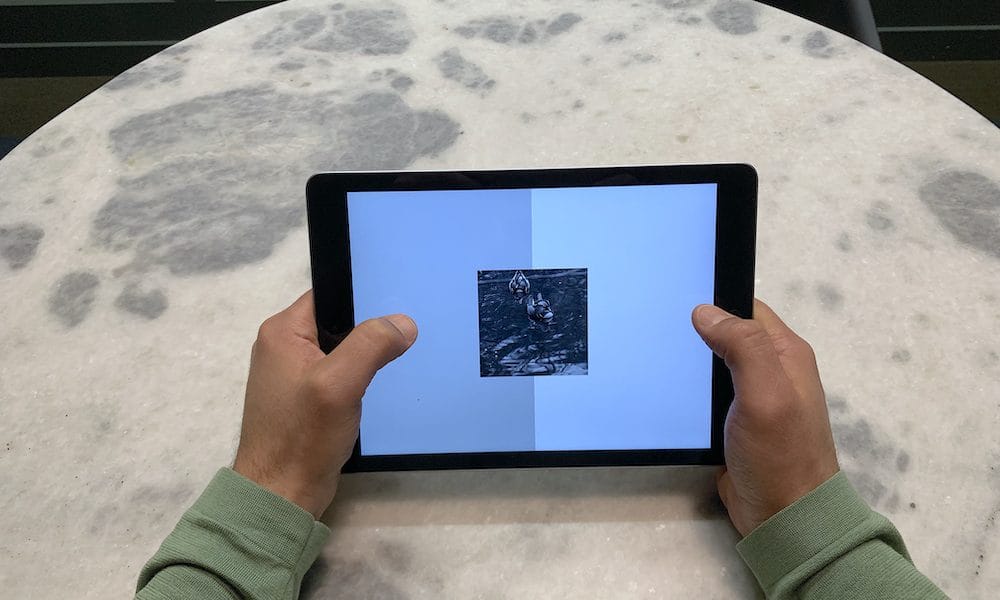 Dementia25 May
In the ongoing battle against dementia, pre-dementia symptoms can now be detected more quickly and cost-efficiently than ever before through the development of AI-led technology. NR Times speaks to Dr Sina Habibi, CEO of Cognetivity, about their groundbreaking work and how the pandemic has helped in the acceptance of remote-use technology
Through the development of pioneering AI-led technology has come the power to reinvent dementia detection. Following years of R&D, successful clinical trials and medical approval, Cognetivity Neurosciences is now being used in both primary and secondary care to find pre-dementia symptoms through a simple test in a quicker time and at a lower cost than ever before. Brain injury21 May
Work has begun to bring a landmark neurological research and treatment centre to reality.
The UCL Neuroscience centre of excellence will be home to three bodies: the world-leading UCL Queen Square Institute of Neurology; the headquarters of the UK Dementia Research Institute, the single biggest investment the UK has ever made in dementia; and the UCLH National Hospital for Neurology and Neurosurgery (NHNN), which is the UK's largest dedicated neurological and neurosurgical hospital. Clinical work and research will take place together within the new facility, at 256 Grays Inn Road in London, enabling an active dialogue between people with neurological disorders, their doctors, and researchers. Dementia20 May
New understanding of how the production of a protein in the brain is controlled could pave the way for new treatments for a wide range of neurological conditions.
In a newly-released study, researchers investigated a section of genetic material known as antisense long non-coding RNA (lncRNA), which helps fine-tune the production of the protein tau inside brain cells. This precision in tau regulation is crucial for smooth functioning of the nerve cells. Understanding the mechanism which helps regulate tau production could be the key to developing better treatments for conditions including Parkinson’s, Alzheimer’s, corticobasal degeneration and progressive supranuclear palsy. Dementia17 May
The rise of Zoom meetings and other forms of online communication during the pandemic may have played a role in helping older people in the fight against dementia, new research has revealed.
Through regularly staying in touch with family and friends online, a person can help maintain their long-term memory - adding a further benefit to the rise in virtual ways of communication, a new study has discovered. Researchers found that older people who frequently use online communication such as email and video call, alongside traditional social interactions in person or over the phone, showed less of a decline in episodic memory – the ability to recollect meaningful events and the impairment of which is a hallmark sign of major forms of dementia. Dementia10 May
Eating a Mediterranean diet could help reduce the risk of dementia and cognitive decline, new research has found. By following a dietary pattern with a greater intake of vegetables, fruit, cereals, fish and monounsaturated fatty acids - like that from olive oil - the risk of protein build-up and brain atrophy can be reduced. Such a Mediterranean-led diet also has a low intake of dairy products, red meat and saturated fatty acids. Previous research has revealed following such a diet can reduce risk of heart disease and support weight loss - but this new research from the DZNE German Centre for Neurodegenerative Diseases has revealed its efficacy in the fight against dementia.


