




Insight

By Alison Johnson, clinical negligence partner, Penningtons Manches Cooper Every five minutes someone suffers a stroke in the UK. It is a shocking statistic, especially when strokes can happen very quickly, without warning and can affect children as well as older people. Even when someone receives good medical care and survives a stroke brain injury, [...]

Disabled people should be involved from the earliest stages of assistive technology design to ensure it reflects real-life needs, a new report from the Royal Society says. More than half of disabled digital assistive technology (AT) users surveyed said they could not live the way they do without it. Tools cited range from voice assistants [...]

People living with neurological conditions across England are being failed by a health system that is struggling to meet even basic needs, according to a new survey. Published today by the Neurological Alliance, the survey reveals that just one in three respondents felt the care they receive meets their needs. The situation is especially stark [...]

There are two types of brain injury professional: those that embrace Artificial Intelligence and those that will be left behind Warren Collins, Catastrophic Injuries Lawyer at Penningtons Manches Cooper LLP takes a peak at AI The intersection of artificial intelligence and traumatic brain injury (TBI) litigation is rapidly evolving, creating new opportunities and challenges that [...]

Writing letters to loved ones as they were before their brain injury may help families understand and cope with the complex grief that often follows, researchers have found. A pilot study explored how a structured writing exercise could support families dealing with “ambiguous grief” – a form of grief experienced when someone is physically present [...]

Heading a football can alter brain structure and chemistry, even without causing concussion or impairing thinking, a controlled trial using MRI scans has shown. In the study, fifteen adult male players were asked to head a football 20 times in 20 minutes. While no immediate cognitive problems were observed, the MRI scans revealed small but [...]

A teacher who has dedicated his entire career to helping inspire young people with severe mental health conditions has won a national teaching award. Ian Bradley has worked at the Children and Adolescent Mental Health Service (CAMHS) College based at St Andrew’s Healthcare for 18 years. Chosen from thousands of nominees, Ian has been named [...]

A proposed framework for assessing traumatic brain injury (TBI) adds blood tests, scans and patient history to the standard Glasgow Coma Scale. The new CBI-M system builds on the Glasgow Coma Scale (GCS) – widely used to assess levels of consciousness after brain injury – by introducing three additional pillars to support more accurate diagnosis [...]
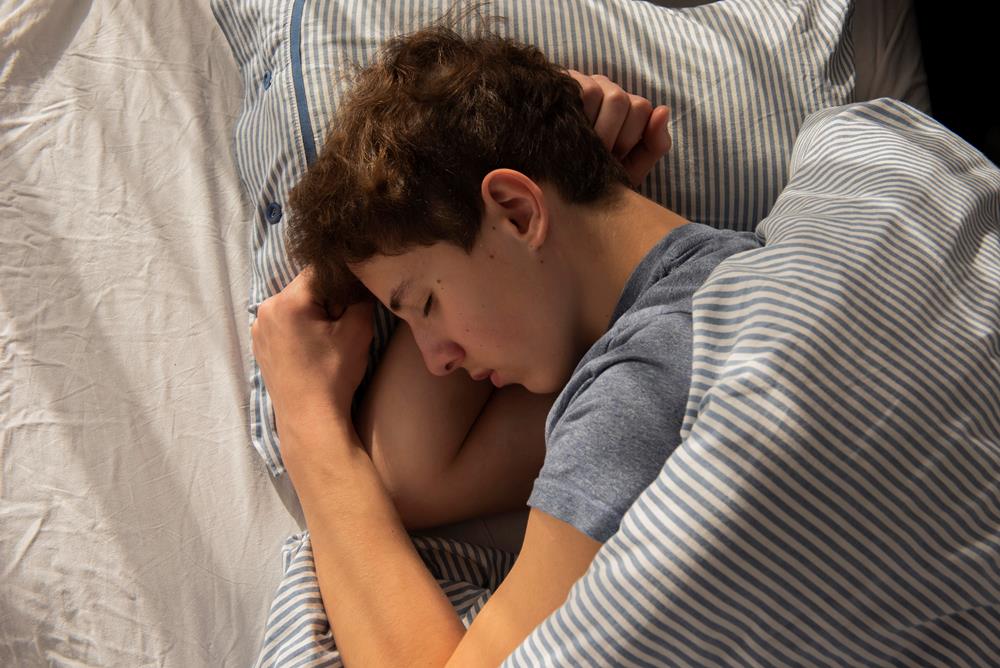
Irregular sleep patterns during adolescence may alter how the brain responds to prenatal risk factors linked to conditions such as schizophrenia and autism, new research in mice suggests. The study found that circadian rhythm disruption – when the body’s internal clock is out of sync – can influence memory, anxiety, social behaviour and gene activity [...]

Eating five cups of fruit and vegetables during the day may significantly improve sleep quality that same night, according to new research. The study is the first to show a time-based link between what people eat during the day and their objectively measured sleep that night. Sleep fragmentation – when a person wakes frequently or [...]


