




Insight

Cure Parkinson’s and Alzheimer’s Research UK are working on an initiative that could pave the way for innovative neurodegenerative treatments. There is a growing recognition that tackling neurodegenerative diseases could benefit from a collaborative, cross-disease approach. Cure Parkinson's is recognising the overlap in underlying biological processes and drugs that may show potential therapeutic benefits for [...]

Patients harmed by high-risk brain implants could receive automatic compensation under a new proposal aimed at protecting those taking part in experimental trials. The scheme would introduce a “no-fault” compensation model for people fitted with brain-computer interfaces (BCIs) – devices implanted in the brain to treat conditions such as epilepsy or paralysis. BCIs may offer [...]

Researchers say new insights into blood flow patterns could explain why some heart failure patients with implanted pumps are more likely to suffer strokes. Left ventricular assist devices (LVADs) – mechanical pumps used when the heart can no longer circulate blood effectively – are often the final treatment option for people with advanced heart failure. [...]

A class of drugs currently used to treat cancer may also help stroke patients recover by protecting neurons and limiting damage following a stroke. Known as HDACi (histone deacetylase inhibitors), these drugs work by altering gene expression in microglia – the brain’s immune cells – following stroke. Instead of driving damaging inflammation, HDACi appear to [...]

A new therapy combining electrical nerve stimulation with physical rehabilitation has led to significant improvements in arm and hand function for people with spinal cord injuries. The treatment, known as closed-loop vagus nerve stimulation (CLV), uses a small device implanted in the neck that delivers electrical pulses to the brain during targeted rehabilitation exercises. Researchers [...]

The UK’s largest mental health charity specialising in complex mental health, located in Northampton, has launched a major fundraising appeal designed to support psychiatric patients. Founded in 1838, For Hope in Every Life is St Andrew’s Healthcare’s first fundraising appeal for more than a century. Complex mental health affects us all. One in 105 people [...]

New funding has been secured by a charity which works with people with Cerebral Palsy in Scotland, to help sustain and develop its specialist support service. Cerebral Palsy Scotland works with children, adults and whole families across the country to help them build skills, knowledge, confidence and relationships, enabling them to overcome barriers that may [...]

A new pilot scheme offering grants of up to £3,000 will help more marginalised communities across the UK deliver physical activity sessions for people living with Parkinson’s. The Parkinson's UK pilot focuses on groups and areas where people with Parkinson’s are underrepresented in exercise and physical activity provision. The initiative will run alongside the charity’s [...]

The recent surge in ADHD referrals is attributed to increased awareness and acceptance of the condition, rather than an actual rise in its prevalence, according to a new systematic review. Researchers from King's College London's Institute of Psychiatry, Psychology & Neuroscience analyzed 40 studies conducted since January 2020 across 17 countries. They found no significant [...]
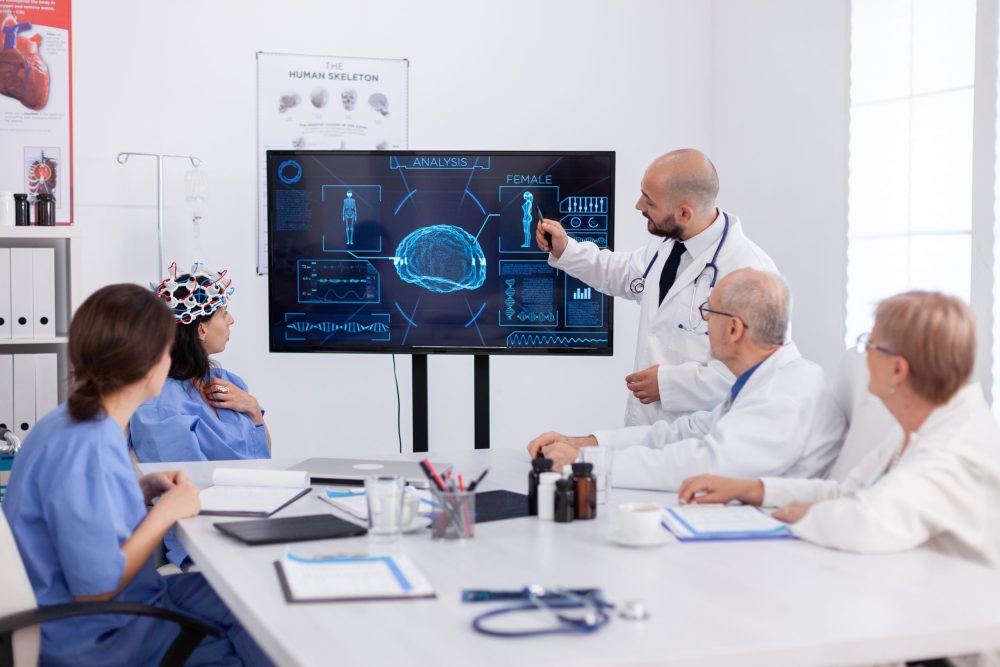
People living with brain injuries are playing a direct role in shaping how new medical technologies are developed, thanks to a programme designed to ensure innovations meet real-life needs. The initiative brings together patients, clinicians, and technology developers in online sessions where research plans are presented and refined based on feedback from those with lived [...]


